THE ADVENTURE COLLECTIVE® · Independent discovery and booking for outdoor travel

Trace the day that reshaped a city with a self-guided audio tour and museum ticket to the National 9/11 Memorial. This practical NYC guide explains what you'll see, how the site is laid out, and tips for a focused, respectful visit.
Trace the day that reshaped a city with a self-guided audio tour and museum ticket to the National 9/11 Memorial. This practical NYC guide explains what you'll see, how the site is laid out, and tips for a focused, respectful visit.
You enter through the plaza and the city’s noise compresses into a respectful hush as the twin reflecting pools pull your sight downward. Rainwater feeds two square voids where towers once rose; names carved into bronze rims catch the light and invite slow reading. An audio guide on your phone walks with you, pausing to let individual testimonies and archival recordings breathe.
Verified experiences and guided adventures in the surrounding area.
Operated by WGTickets · New York, New York
You enter through the plaza and the city’s noise compresses into a respectful hush as the twin reflecting pools pull your sight downward. Rainwater feeds two square voids where towers once rose; names carved into bronze rims catch the light and invite slow reading. An audio guide on your phone walks with you, pausing to let individual testimonies and archival recordings breathe.
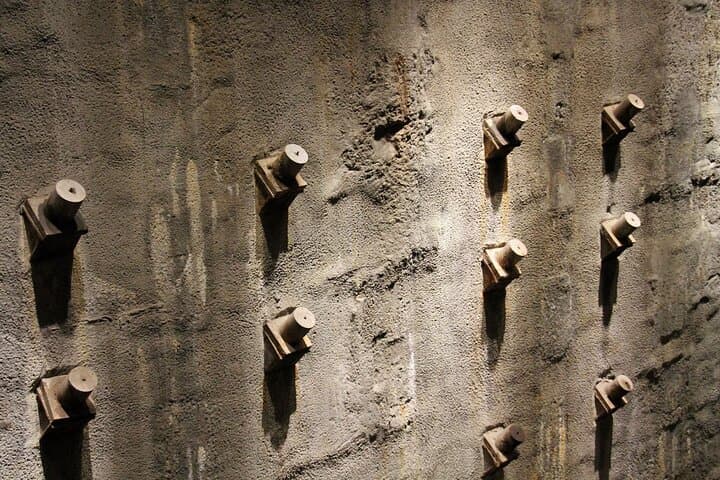
The site occupies the footprint of the World Trade Center and sits atop the original slurry wall — a visible engineering feature that held back the Hudson during construction and the recovery effort. The museum’s layout moves visitors from before the attacks, through the day itself, to the long aftermath, offering artifacts tied to personal stories and institutional details about emergency response and rebuilding. Nearby, St. Paul’s Chapel, which became a volunteer hub after 2001, remains a quiet cultural anchor.
Expect a mix of underground galleries and open-air memorial space. Galleries are climate-controlled; the plaza is exposed to the elements. The experience blends archival photos, recorded testimonies, and salvaged structural pieces; it’s both documentary and commemorative rather than a conventional museum exhibition.
Practical guidance: book the mobile ticket and load the audio file before arriving; cellular service near the site can be spotty. Plan 90–120 minutes for the full visit, longer if you linger at the pools. Wear comfortable shoes and bring a compact umbrella in wetter months. Photography is permitted in most public areas but follow staff directions and give space to those in reflection. The site is accessible; elevators and ramps are available for most sections.
easy.
90–120 minutes.
Suitable for most people; involves standing and walking on paved surfaces and stairs in places
No — the tour provides mobile tickets. You’ll receive collection instructions by email/SMS; follow them to exchange your voucher for entry if required.
Yes — the museum and memorial are accessible with elevators, ramps, and accessible routes; contact venue staff for any special assistance.
Small bags are permitted but subject to security screening; large bags may be restricted and could require check-in at the venue.
Photography is allowed in many public areas but prohibited in certain exhibits; follow posted signs and staff instructions to respect sensitive displays.
The memorial sits on the footprints of the original Twin Towers and exposes the slurry wall that helped contain the Hudson River during construction and the 2001 recovery effort.
The memorial uses durable materials and a dedicated grounds team; visitors are asked to avoid touching plaques and to dispose of waste in designated bins to protect the site.
WGTickets operates guided outdoor trips and adventures with an emphasis on safety, stewardship, and memorable experiences.
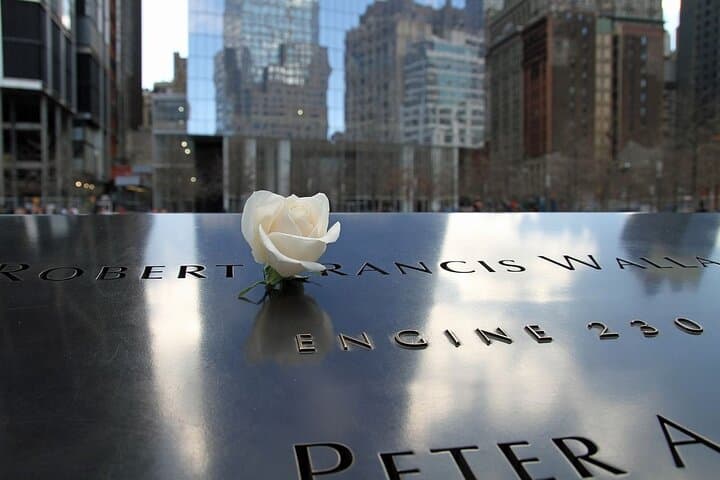

You enter through the plaza and the city’s noise compresses into a respectful hush as the twin reflecting pools pull your sight downward. Rainwater feeds two square voids where towers once rose; names carved into bronze rims catch the light and invite slow reading. An audio guide on your phone walks with you, pausing to let individual testimonies and archival recordings breathe.
You enter through the plaza and the city’s noise compresses into a respectful hush as the twin reflecting pools pull your sight downward. Rainwater feeds two square voids where towers once rose; names carved into bronze rims catch the light and invite slow reading. An audio guide on your phone walks with you, pausing to let individual testimonies and archival recordings breathe.
The site occupies the footprint of the World Trade Center and sits atop the original slurry wall — a visible engineering feature that held back the Hudson during construction and the recovery effort. The museum’s layout moves visitors from before the attacks, through the day itself, to the long aftermath, offering artifacts tied to personal stories and institutional details about emergency response and rebuilding. Nearby, St. Paul’s Chapel, which became a volunteer hub after 2001, remains a quiet cultural anchor.
Expect a mix of underground galleries and open-air memorial space. Galleries are climate-controlled; the plaza is exposed to the elements. The experience blends archival photos, recorded testimonies, and salvaged structural pieces; it’s both documentary and commemorative rather than a conventional museum exhibition.
Practical guidance: book the mobile ticket and load the audio file before arriving; cellular service near the site can be spotty. Plan 90–120 minutes for the full visit, longer if you linger at the pools. Wear comfortable shoes and bring a compact umbrella in wetter months. Photography is permitted in most public areas but follow staff directions and give space to those in reflection. The site is accessible; elevators and ramps are available for most sections.