THE ADVENTURE COLLECTIVE® · Independent discovery and booking for outdoor travel

Cycle 80 km from Hue to Hoi An along one of Vietnam’s most scenic coastal roads. Expect ferry crossings, three climbs including the 11 km Hai Van Pass, seaside lunches at Lang Co, and a full-day ride that rewards persistence with sweeping ocean panoramas.
Cycle 80 km from Hue to Hoi An along one of Vietnam’s most scenic coastal roads. Expect ferry crossings, three climbs including the 11 km Hai Van Pass, seaside lunches at Lang Co, and a full-day ride that rewards persistence with sweeping ocean panoramas.
You push off near Thuan An as salt air tugs at your shirt and the Perfume River dares you to keep pace. Small fishing boats slide past as you ride narrow backroads, then a local ferry nudges the group across the estuary — a short pause before the climbs. The route unfolds: quiet peninsular lanes, a few steady ascents, Lang Co’s flat sand, then the long, winding spine of the Hai Van Pass.
Verified experiences and guided adventures in the surrounding area.
Operated by Vietnam Bike Tours · Hue, Thua Thien-Hue
You push off near Thuan An as salt air tugs at your shirt and the Perfume River dares you to keep pace. Small fishing boats slide past as you ride narrow backroads, then a local ferry nudges the group across the estuary — a short pause before the climbs. The route unfolds: quiet peninsular lanes, a few steady ascents, Lang Co’s flat sand, then the long, winding spine of the Hai Van Pass.
This corridor links imperial Hue and trading Hoi An and has long been a strategic seam between the mountains and the sea. Geologically, the pass is part of a coastal limestone range that rises abruptly above the water, shaping switchbacks and dramatic lookout points. Culturally the towns you pass show central Vietnam’s layered history — Cham remains, French-era markers, and fishing communities that still land in nets at dawn.
Expect about 80 km of mixed pavement with roughly three climbs: two short 2–3 km efforts and the extended 11 km Hai Van climb to around 500 m. Surfaces are mostly paved but can narrow; a tunnel diverts heavy traffic on the main highway, leaving the old pass quieter and more scenic. The wind off the ocean can push, slow, or cool you depending on direction, and the roadside forest offers welcome shade.
Practical guidance: start early to avoid midday heat, carry 2–3 liters of water, and prepare for a full 8–10 hour day including stops. Local ferries and eateries make logistics easier — but be ready for variable weather and a sustained, rewarding climb before arriving in Hoi An.
challenging.
8–10 hours.
Good cardiovascular fitness and prior experience with sustained climbs and group road riding are recommended.
You should have regular cycling experience and be comfortable riding 60–100 km with sustained climbs; the day includes an 11 km ascent that’s steady and demanding.
Yes—this tour supplies bikes, helmets, and a basic tool kit, but bring your own saddle if you’re picky about comfort.
Local ferry crossings across the Perfume River estuary are part of the route and handled within the tour logistics.
Beginners with strong general fitness may join, but the climbs and distance make this better suited to intermediate or experienced road cyclists.
The route threads imperial Hue’s hinterlands toward port towns; the Hai Van Pass historically marked a boundary between regional powers and remains a strategic coastal route.
Ride respectfully — stick to paved roads, dispose of waste back in towns, and support local vendors to keep small coastal communities viable.
Vietnam Bike Tours operates guided outdoor trips and adventures with an emphasis on safety, stewardship, and memorable experiences.
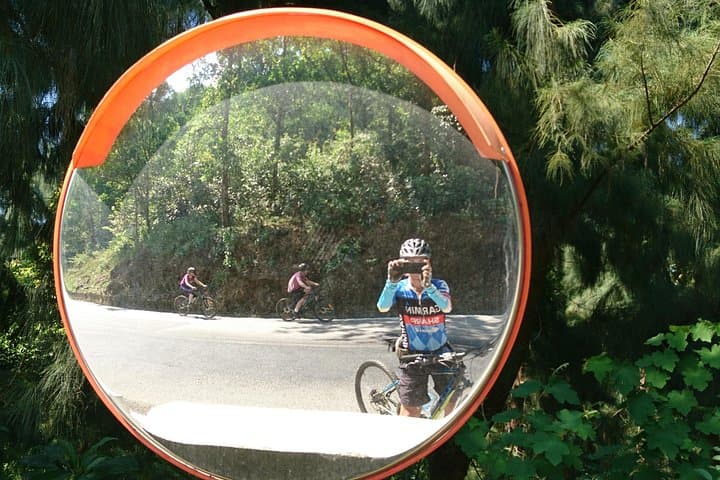
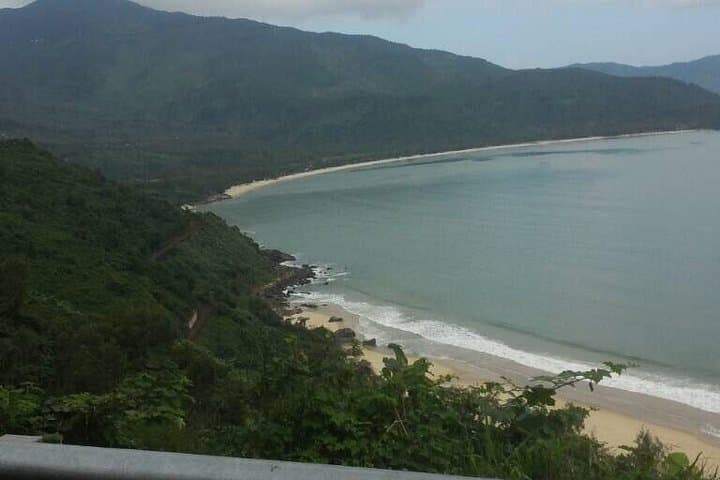
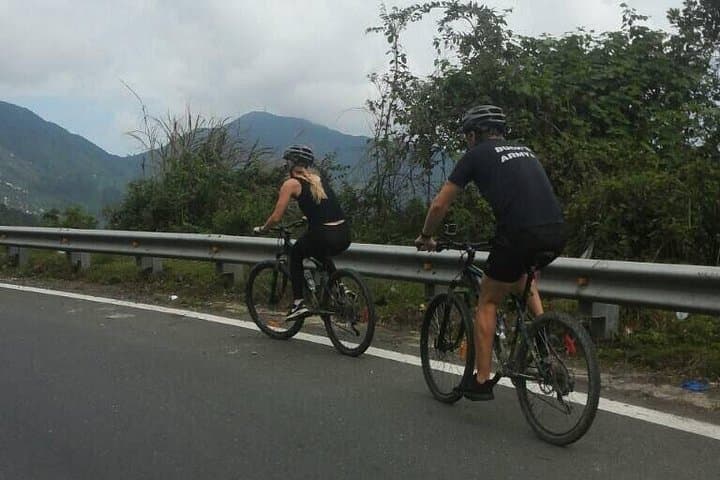

You push off near Thuan An as salt air tugs at your shirt and the Perfume River dares you to keep pace. Small fishing boats slide past as you ride narrow backroads, then a local ferry nudges the group across the estuary — a short pause before the climbs. The route unfolds: quiet peninsular lanes, a few steady ascents, Lang Co’s flat sand, then the long, winding spine of the Hai Van Pass.
You push off near Thuan An as salt air tugs at your shirt and the Perfume River dares you to keep pace. Small fishing boats slide past as you ride narrow backroads, then a local ferry nudges the group across the estuary — a short pause before the climbs. The route unfolds: quiet peninsular lanes, a few steady ascents, Lang Co’s flat sand, then the long, winding spine of the Hai Van Pass.
This corridor links imperial Hue and trading Hoi An and has long been a strategic seam between the mountains and the sea. Geologically, the pass is part of a coastal limestone range that rises abruptly above the water, shaping switchbacks and dramatic lookout points. Culturally the towns you pass show central Vietnam’s layered history — Cham remains, French-era markers, and fishing communities that still land in nets at dawn.
Expect about 80 km of mixed pavement with roughly three climbs: two short 2–3 km efforts and the extended 11 km Hai Van climb to around 500 m. Surfaces are mostly paved but can narrow; a tunnel diverts heavy traffic on the main highway, leaving the old pass quieter and more scenic. The wind off the ocean can push, slow, or cool you depending on direction, and the roadside forest offers welcome shade.
Practical guidance: start early to avoid midday heat, carry 2–3 liters of water, and prepare for a full 8–10 hour day including stops. Local ferries and eateries make logistics easier — but be ready for variable weather and a sustained, rewarding climb before arriving in Hoi An.