THE ADVENTURE COLLECTIVE® · Independent discovery and booking for outdoor travel

An 8-night, multi-city Egypt itinerary that pairs Cairo’s pyramids with a relaxed Nile cruise, sunrise hot-air ballooning over Luxor and the monumental temples of Abu Simbel — all with Egyptology-guided visits and most logistics handled.
An 8-night, multi-city Egypt itinerary that pairs Cairo’s pyramids with a relaxed Nile cruise, sunrise hot-air ballooning over Luxor and the monumental temples of Abu Simbel — all with Egyptology-guided visits and most logistics handled.
You step out of Cairo Airport into dry, mineral air and the city pulls you forward — street vendors, distant minarets and the soft gleam of the Nile. Within hours this trip unfolds from the tawny skyline of Giza to the slow-motion river life aboard a five-star Nile cruise, punctuated by dawn ballooning over Luxor and the monumental quiet of Abu Simbel.
Verified experiences and guided adventures in the surrounding area.
Operated by Egypt Travel Line · Cairo, Cairo Governorate
You step out of Cairo Airport into dry, mineral air and the city pulls you forward — street vendors, distant minarets and the soft gleam of the Nile. Within hours this trip unfolds from the tawny skyline of Giza to the slow-motion river life aboard a five-star Nile cruise, punctuated by dawn ballooning over Luxor and the monumental quiet of Abu Simbel.
The itinerary threads together millennia: pharaonic temples carved from sandstone and granite, royal tombs in the Valley of the Kings, and Kom Ombo’s double sanctuary. Geology here is obvious — the Nile’s annual sediment built the fertile strip that allowed Egyptian civilization to concentrate wealth and monuments along a narrow corridor of desert and river. Modern history arrives at Aswan, where the High Dam reshaped landscapes and led to the relocation of Abu Simbel to save it from the reservoir.
Culturally, expect hospitable markets and a strong etiquette around modest dress at religious sites; an Egyptology guide will put artifacts and inscriptions into context so ruins become readable.
Practical notes: pack breathable layers for hot days and cool nights, sturdy shoes for uneven stone and steps, and a reusable water bottle for constant hydration. Activities include early starts (hot air balloon at sunrise), several short to medium walks on site surfaces, boat transfers to island temples, and overnight trains. Carry small cash for markets and tipping; follow local guides’ instructions at fragile sites and respect no-climb rules. With planning this tour balances blockbuster sights and the steady rhythm of the Nile — memorable, walkable, and rich in history.
moderate.
8–9 days.
Suitable for travelers who can handle multiple half-day walks on uneven stone surfaces and stairs; not technically demanding.
Most visitors require a visa; many nationalities can obtain an e-visa ahead of travel or a visa on arrival — check the Egyptian consulate guidance for your citizenship before booking.
Operators use certified pilots and well-maintained baskets; it’s a low-speed, low-altitude flight offering exceptional early-morning views — follow operators’ safety briefings and clothing guidance.
The tour description indicates major sites are included, but confirm specific admissions (e.g., special-tomb fees in the Valley of the Kings) with the operator before travel.
Some parts are wheelchair accessible (per operator notes), but many sites have steps, uneven surfaces and limited ramps; contact the operator to confirm train and cruise accessibility and assistance availability.
This route covers key pharaonic monuments; Abu Simbel was famously relocated in the 1960s to save it from the rising waters of the Aswan High Dam.
High visitor numbers stress fragile sites — stick to marked paths, avoid touching reliefs, and support local conservation by choosing responsible operators and minimizing single-use plastics.
Egypt Travel Line operates guided outdoor trips and adventures with an emphasis on safety, stewardship, and memorable experiences.
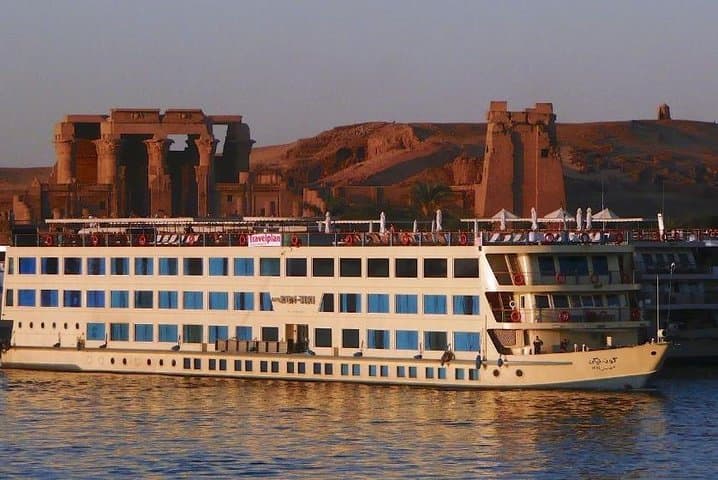


You step out of Cairo Airport into dry, mineral air and the city pulls you forward — street vendors, distant minarets and the soft gleam of the Nile. Within hours this trip unfolds from the tawny skyline of Giza to the slow-motion river life aboard a five-star Nile cruise, punctuated by dawn ballooning over Luxor and the monumental quiet of Abu Simbel.
You step out of Cairo Airport into dry, mineral air and the city pulls you forward — street vendors, distant minarets and the soft gleam of the Nile. Within hours this trip unfolds from the tawny skyline of Giza to the slow-motion river life aboard a five-star Nile cruise, punctuated by dawn ballooning over Luxor and the monumental quiet of Abu Simbel.
The itinerary threads together millennia: pharaonic temples carved from sandstone and granite, royal tombs in the Valley of the Kings, and Kom Ombo’s double sanctuary. Geology here is obvious — the Nile’s annual sediment built the fertile strip that allowed Egyptian civilization to concentrate wealth and monuments along a narrow corridor of desert and river. Modern history arrives at Aswan, where the High Dam reshaped landscapes and led to the relocation of Abu Simbel to save it from the reservoir.
Culturally, expect hospitable markets and a strong etiquette around modest dress at religious sites; an Egyptology guide will put artifacts and inscriptions into context so ruins become readable.
Practical notes: pack breathable layers for hot days and cool nights, sturdy shoes for uneven stone and steps, and a reusable water bottle for constant hydration. Activities include early starts (hot air balloon at sunrise), several short to medium walks on site surfaces, boat transfers to island temples, and overnight trains. Carry small cash for markets and tipping; follow local guides’ instructions at fragile sites and respect no-climb rules. With planning this tour balances blockbuster sights and the steady rhythm of the Nile — memorable, walkable, and rich in history.