THE ADVENTURE COLLECTIVE® · Independent discovery and booking for outdoor travel

An eight-night itinerary that pairs Amman’s cityscapes with Petra’s carved corridors, the floating Dead Sea, Bedouin camps in Wadi Rum and beach time in Aqaba. Practical, paced and rich in history—ideal for first-time Jordan visitors.
An eight-night itinerary that pairs Amman’s cityscapes with Petra’s carved corridors, the floating Dead Sea, Bedouin camps in Wadi Rum and beach time in Aqaba. Practical, paced and rich in history—ideal for first-time Jordan visitors.
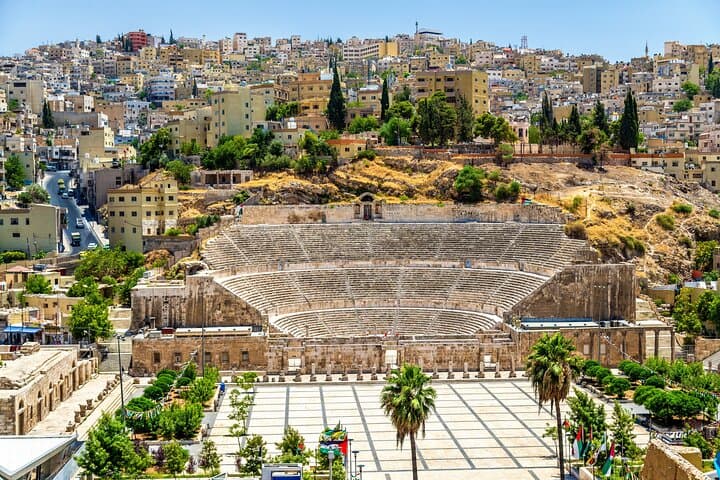
Morning light slants across Amman as a coach pulls away toward the Roman streets of Jerash; by week’s end you’ll watch the sun melt over the red sandstone of Wadi Rum and dip beneath the Red Sea at Aqaba. This eight-night loop stitches city panoramas, archaeological corridors and desert canyons into a compact, accessible route.
Verified experiences and guided adventures in the surrounding area.
Operated by Zaid Tours and Travel · Amman, Amman Governorate
Morning light slants across Amman as a coach pulls away toward the Roman streets of Jerash; by week’s end you’ll watch the sun melt over the red sandstone of Wadi Rum and dip beneath the Red Sea at Aqaba. This eight-night loop stitches city panoramas, archaeological corridors and desert canyons into a compact, accessible route.
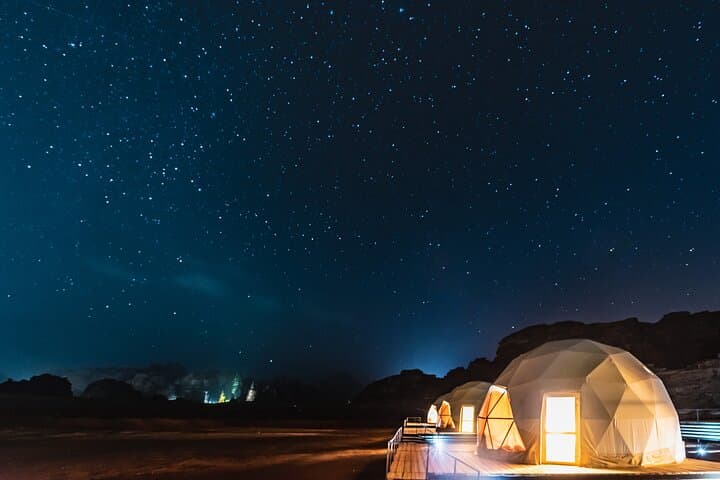
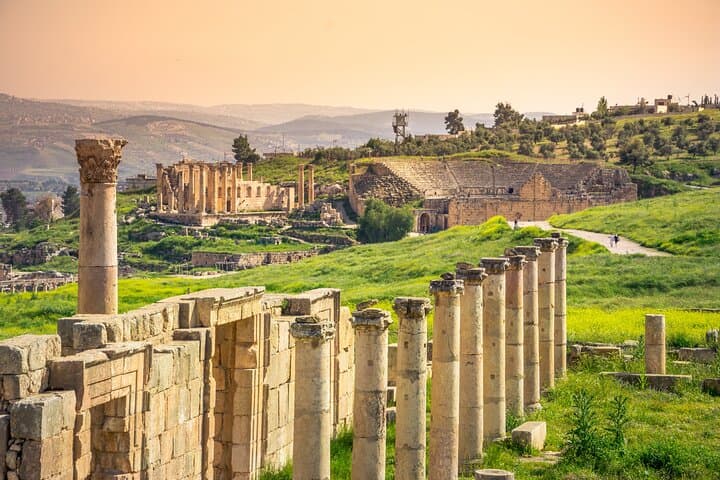
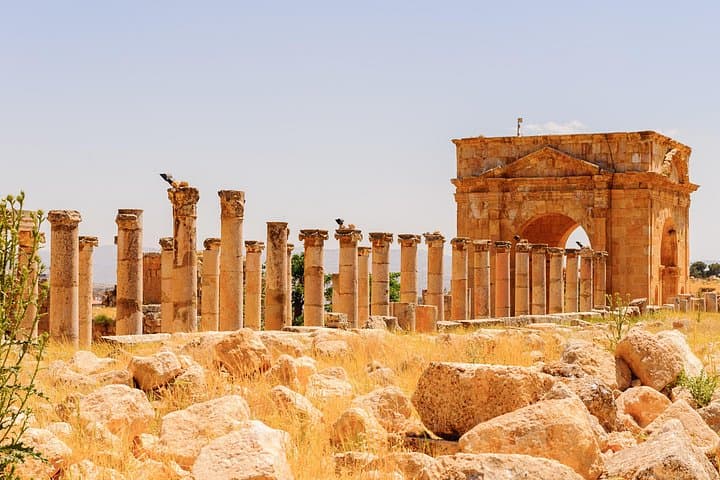
Walk Jerash’s colonnaded cardo and feel Roman engineering underfoot; float in the Dead Sea at roughly –430 m, an easy, buoyant interlude between towns. Petra requires 5–10 km of walking over uneven carved-sandstone pathways: enter via the Siq, stop at the Treasury, and plan extra time for the Monastery or the High Place of Sacrifice—both involve steady climbs and loose steps. Wadi Rum’s moonscape of dunes, narrow gorges and towering sandstone offers short 4x4 runs and easy, photo-friendly strolls from a Bedouin camp.
Historically, these places span Nabatean commerce, Roman urbanism and Crusader fortifications, while Madaba’s mosaic map and Mount Nebo’s views underline Jordan’s biblical connections. Geology reads like strata and wind: sandstone, conglomerates and salt flats frame every vista.
Practical guidance: the tour mixes driving days (several 2–4 hour stretches) with active sightseeing—good walking shoes and sun protection are essential. Carry a refillable bottle; pace Petra by morning or late afternoon to avoid midday heat. Expect modest hotels (3–5 star options), an overnight desert camp, and English-speaking guides at key sites. This itinerary balances cultural depth with manageable exertion—plan for uneven surfaces, sun exposure, and delightful, wide-open skies.
moderate.
8–9 days.
Suitable for travelers who can walk 3–6 hours a day on uneven surfaces and tolerate several multi-hour transfers by vehicle.
Yes; the small-group itinerary accepts individual travelers and offers shared coach transport and single-room options by request.
Jordan Pass holders may have visa and entrance fees covered—confirm with the operator which ticket option you purchased and show your pass at entry points.
Petra involves several kilometers of walking along sandstone paths and optional climbs; basic fitness and steady pace are sufficient, but mobility aids can be arranged in some areas.
Bring warm layers for cold desert nights, a headlamp, closed shoes to keep out sand, and any toiletries you prefer—camp accommodation varies by level chosen.
The route links Roman provincial towns, Nabatean trade hubs and Crusader castles; Petra was a caravan city that controlled incense and spice routes for centuries.
Tourism supports protected areas like Wadi Rum and archaeological conservation at Petra; visitors should stick to marked paths, avoid collecting artifacts, and reduce single-use plastics.
Zaid Tours and Travel operates guided outdoor trips and adventures with an emphasis on safety, stewardship, and memorable experiences.
Morning light slants across Amman as a coach pulls away toward the Roman streets of Jerash; by week’s end you’ll watch the sun melt over the red sandstone of Wadi Rum and dip beneath the Red Sea at Aqaba. This eight-night loop stitches city panoramas, archaeological corridors and desert canyons into a compact, accessible route.
Morning light slants across Amman as a coach pulls away toward the Roman streets of Jerash; by week’s end you’ll watch the sun melt over the red sandstone of Wadi Rum and dip beneath the Red Sea at Aqaba. This eight-night loop stitches city panoramas, archaeological corridors and desert canyons into a compact, accessible route.
Walk Jerash’s colonnaded cardo and feel Roman engineering underfoot; float in the Dead Sea at roughly –430 m, an easy, buoyant interlude between towns. Petra requires 5–10 km of walking over uneven carved-sandstone pathways: enter via the Siq, stop at the Treasury, and plan extra time for the Monastery or the High Place of Sacrifice—both involve steady climbs and loose steps. Wadi Rum’s moonscape of dunes, narrow gorges and towering sandstone offers short 4x4 runs and easy, photo-friendly strolls from a Bedouin camp.
Historically, these places span Nabatean commerce, Roman urbanism and Crusader fortifications, while Madaba’s mosaic map and Mount Nebo’s views underline Jordan’s biblical connections. Geology reads like strata and wind: sandstone, conglomerates and salt flats frame every vista.
Practical guidance: the tour mixes driving days (several 2–4 hour stretches) with active sightseeing—good walking shoes and sun protection are essential. Carry a refillable bottle; pace Petra by morning or late afternoon to avoid midday heat. Expect modest hotels (3–5 star options), an overnight desert camp, and English-speaking guides at key sites. This itinerary balances cultural depth with manageable exertion—plan for uneven surfaces, sun exposure, and delightful, wide-open skies.