THE ADVENTURE COLLECTIVE® · Independent discovery and booking for outdoor travel

An eight-day circuit from Quito through Cotopaxi, Quilotoa, Otavalo and Mindo that pairs high-Andean geology with rich indigenous markets and cloud-forest biodiversity. Expect crater lakes, thermal springs and daily opportunities to acclimatize as you explore Ecuador’s varied ecosystems.
An eight-day circuit from Quito through Cotopaxi, Quilotoa, Otavalo and Mindo that pairs high-Andean geology with rich indigenous markets and cloud-forest biodiversity. Expect crater lakes, thermal springs and daily opportunities to acclimatize as you explore Ecuador’s varied ecosystems.
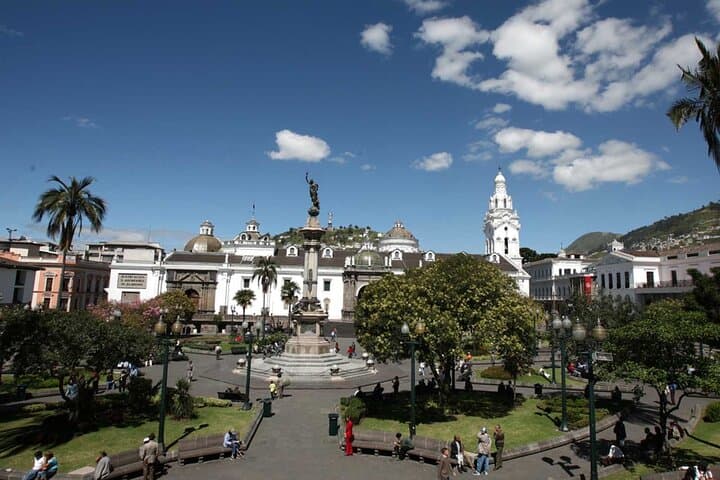
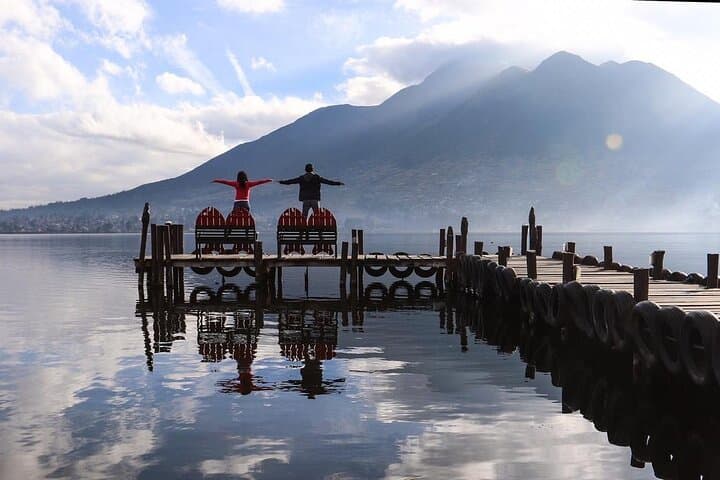
You step out of Mariscal Sucre into a high Andean valley where air is thin, colors are clear and volcanoes keep a steady watch. Quito spreads up the slopes—colonial plazas, narrow streets and modern neighborhoods—while the road north threads through páramo, past emerald lakes and into cloud forest.
Verified experiences and guided adventures in the surrounding area.
Operated by Ecuador Galapagos Travels · Quito, Pichincha
You step out of Mariscal Sucre into a high Andean valley where air is thin, colors are clear and volcanoes keep a steady watch. Quito spreads up the slopes—colonial plazas, narrow streets and modern neighborhoods—while the road north threads through páramo, past emerald lakes and into cloud forest.
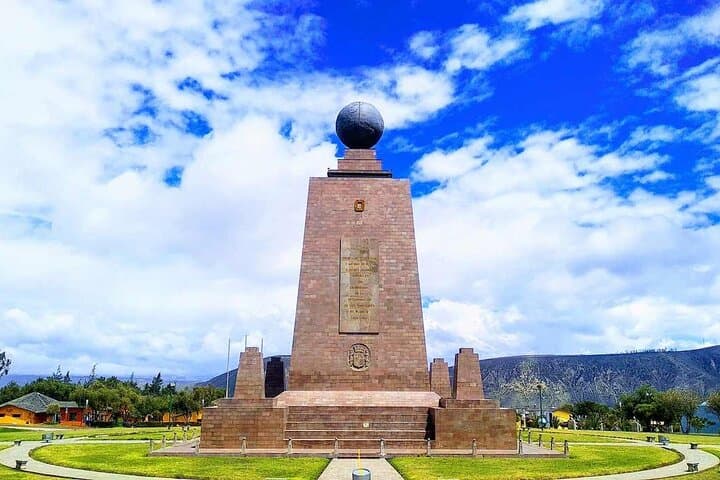
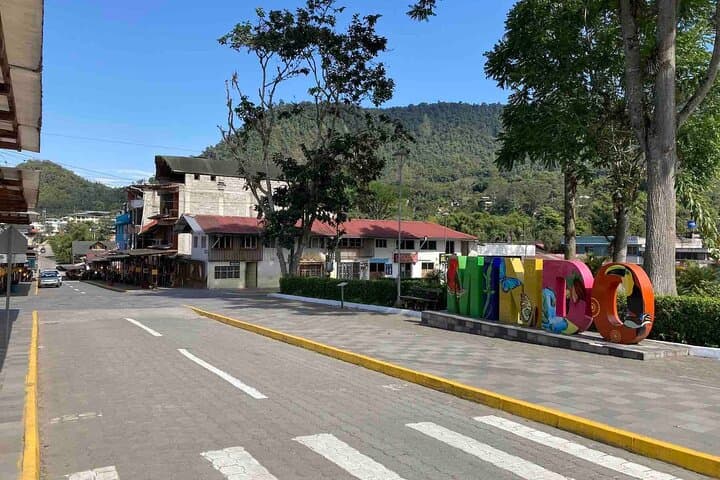
This eight-day loop stitches together pre-Hispanic astronomy at the Quitsato sundial, Spanish colonial architecture in Quito’s centro histórico and indigenous market culture in Otavalo. Geology dominates: Cotopaxi’s glaciated cone and Quilotoa’s crater-lake are recent chapters in a volatile volcanic story; the Quilotoa caldera holds turquoise water pushed into sharp contrast by volcanic ash and highland grasslands. In the humid, hummingbird-rich canopy of Mindo the mountains yield to cloud forest—steep slopes where water dares to fall and orchids claim niches.
Culturally, expect markets, artisan leather and Otavalo textiles woven with meanings that predate the republic. Guides will explain altitudinal farming and rose cultivation near Quito—Ecuador’s rose industry is as much an export as a local livelihood.
Practical guidance: pace yourself for altitude—days reach 3,200–3,800 m with short hikes and optional glacier approaches. Pack a warm, windproof layer, waterproof footwear for volcanic scree and a reusable water bottle plus altitude remedies. Start days early for clearer skies and bird activity; carry cash for small-market purchases. Travel with a guided group for logistics—transfers, entrance fees and local knowledge are included—so you can focus on the landscape and let the mountains do the rest.
moderate.
8 days.
Moderate fitness: able to handle daily walking, some steep sections and brief high-altitude hikes up to ~5,100 m with acclimatization.
Some days reach 3,200–3,800 m with an optional glacier approach higher; mild symptoms are common—take it slow, hydrate, avoid alcohol and consult your doctor about altitude medication.
Breakfasts are included daily; entrance fees to mentioned sites and private English-speaking guide and transportation are included as stated in the itinerary.
Not recommended for travelers with spinal, heart problems, or pregnant travelers; a moderate fitness level is required and some days include uneven terrain and stairs.
A guide meets you at Mariscal Sucre International Airport on arrival and provides transfers to/from hotels as noted in the itinerary.
Quito’s historic center dates to Spanish colonial times and is a UNESCO World Heritage site; Otavalo remains a living center of indigenous trade and weaving traditions.
High-altitude ecosystems and cloud forests are fragile—stay on trails, pack out waste and support local conservation-minded guides and businesses.
Ecuador Galapagos Travels operates guided outdoor trips and adventures with an emphasis on safety, stewardship, and memorable experiences.
You step out of Mariscal Sucre into a high Andean valley where air is thin, colors are clear and volcanoes keep a steady watch. Quito spreads up the slopes—colonial plazas, narrow streets and modern neighborhoods—while the road north threads through páramo, past emerald lakes and into cloud forest.
You step out of Mariscal Sucre into a high Andean valley where air is thin, colors are clear and volcanoes keep a steady watch. Quito spreads up the slopes—colonial plazas, narrow streets and modern neighborhoods—while the road north threads through páramo, past emerald lakes and into cloud forest.
This eight-day loop stitches together pre-Hispanic astronomy at the Quitsato sundial, Spanish colonial architecture in Quito’s centro histórico and indigenous market culture in Otavalo. Geology dominates: Cotopaxi’s glaciated cone and Quilotoa’s crater-lake are recent chapters in a volatile volcanic story; the Quilotoa caldera holds turquoise water pushed into sharp contrast by volcanic ash and highland grasslands. In the humid, hummingbird-rich canopy of Mindo the mountains yield to cloud forest—steep slopes where water dares to fall and orchids claim niches.
Culturally, expect markets, artisan leather and Otavalo textiles woven with meanings that predate the republic. Guides will explain altitudinal farming and rose cultivation near Quito—Ecuador’s rose industry is as much an export as a local livelihood.
Practical guidance: pace yourself for altitude—days reach 3,200–3,800 m with short hikes and optional glacier approaches. Pack a warm, windproof layer, waterproof footwear for volcanic scree and a reusable water bottle plus altitude remedies. Start days early for clearer skies and bird activity; carry cash for small-market purchases. Travel with a guided group for logistics—transfers, entrance fees and local knowledge are included—so you can focus on the landscape and let the mountains do the rest.