THE ADVENTURE COLLECTIVE® · Independent discovery and booking for outdoor travel

Combine big-game viewing in Selous (Nyerere) with coral reefs and Swahili culture on Zanzibar. This 8-day private escape pairs dawn drives and river safaris with afternoons of snorkeling, dhow cruises, and Stone Town history.
Combine big-game viewing in Selous (Nyerere) with coral reefs and Swahili culture on Zanzibar. This 8-day private escape pairs dawn drives and river safaris with afternoons of snorkeling, dhow cruises, and Stone Town history.
You step off the small bush plane, heat and dust meeting the cool, grassy breath of Selous (Nyerere National Park). Days will alternate between dawn game drives where elephants move like slow rivers through the mopane and evenings on Zanzibar’s white sands, where the ocean teases with turquoise shallows and a reef that hums with fish.
Verified experiences and guided adventures in the surrounding area.
Operated by Beyond Africa Safaris (Pty)Ltd · Zanzibar City, Zanzibar
You step off the small bush plane, heat and dust meeting the cool, grassy breath of Selous (Nyerere National Park). Days will alternate between dawn game drives where elephants move like slow rivers through the mopane and evenings on Zanzibar’s white sands, where the ocean teases with turquoise shallows and a reef that hums with fish.
This itinerary stitches two landscapes: Selous, a UNESCO-listed wilderness shaped by seasonal Rufiji River floods and ancient alluvial plains, and Unguja (Zanzibar), a coral-reef island born of limestone and centuries of Indian Ocean trade. Stone Town’s coral-stone lanes and carved wooden doors recall Omani and Swahili histories; spice farms spread citrus and clove aromas that once fueled global commerce.
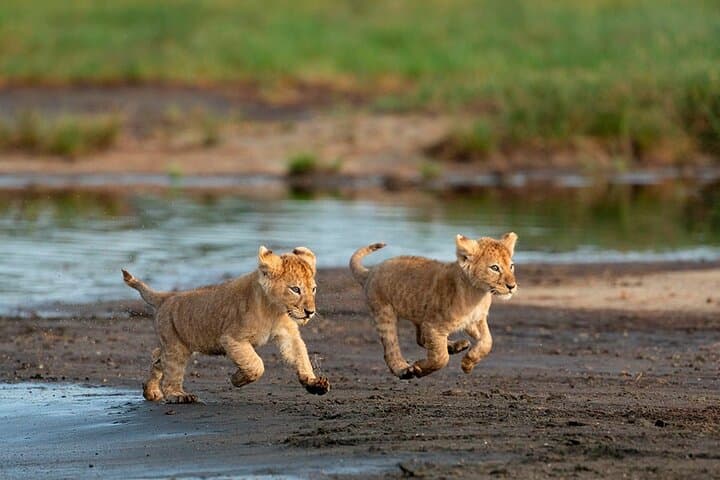
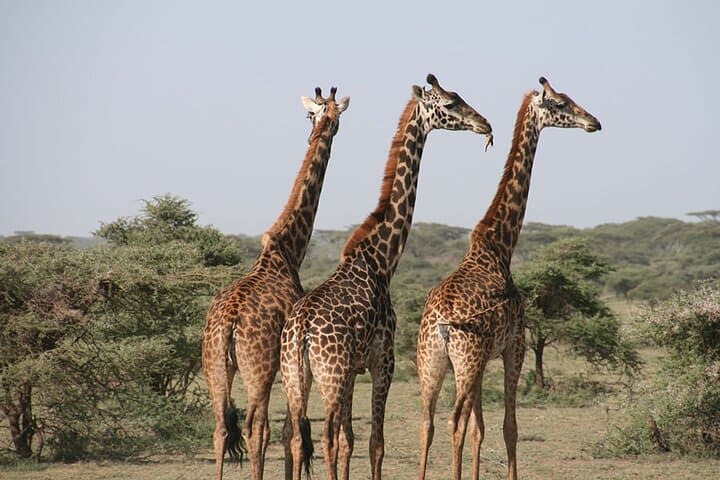
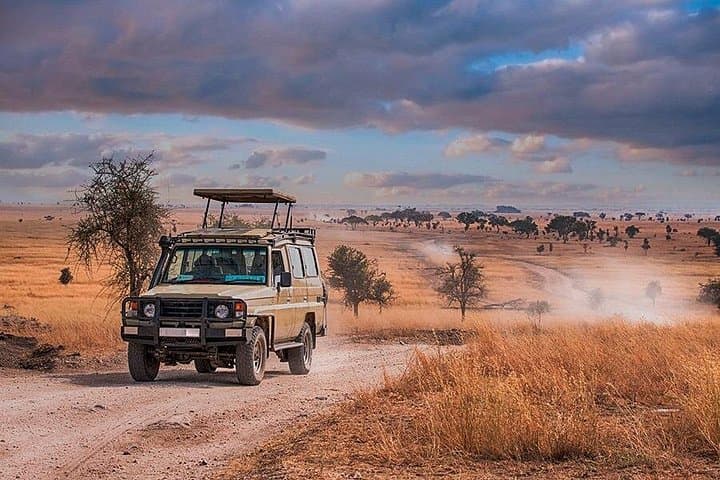
Expect guided game drives, a bush walk, and a river boat safari in Selous—prime habitat for elephant, lion, hippo, and dozens of bird species. Back on Zanzibar you’ll move into maritime pursuits: snorkeling reefs, dhow cruises at sunset, and visits to Stone Town’s markets and historic sites.
Practically: park fees for Nyerere are listed as included, and internal flights between island and reserve are provided. Bring malaria prophylaxis, reef-safe sunscreen, and binoculars; comfortable closed shoes are essential for bush walks, while sandals suffice on the beaches. Weather swings: long rains in March–May, drier conditions June–October—pack a lightweight rain jacket and breathable layers. Carry local currency for small purchases, respect mosque hours and conservative dress in towns, and follow guides’ safety briefings around wildlife and on boats.
This trip balances high-impact wildlife viewing with restorative seaside days—wild rhythms followed by the slow pulse of the ocean.
moderate.
8 days.
Moderate fitness recommended—able to handle several hours of game-drive observation, short bush walks over uneven ground, and active beach days with optional snorkeling or light water sports.
According to the itinerary, all flights during the tour and park fees for Nyerere National Park are included—confirm at booking and carry identification for permits.
Routine vaccinations are recommended and many travelers consider hepatitis A and typhoid; consult a travel clinic for personalized advice including malaria prophylaxis.
The schedule includes multiple beach days and afternoons for optional activities such as snorkeling, diving, or cultural visits—free time varies by day but afternoons are often flexible.
The trip notes it’s suitable for all fitness levels, but bush walks and game drives require mobility; discuss specific needs with the operator before booking.
Zanzibar’s Stone Town was a central hub of the Indian Ocean spice and slave trades, shaped by centuries of Omani, Persian, Indian, and European contact—its streets reflect that layered past.
Selous (Nyerere) is protected as a UNESCO-acknowledged wilderness with community-based efforts to reduce poaching; on Zanzibar, reef conservation programs encourage use of biodegradable products and protected marine zones.
Beyond Africa Safaris (Pty)Ltd operates guided outdoor trips and adventures with an emphasis on safety, stewardship, and memorable experiences.
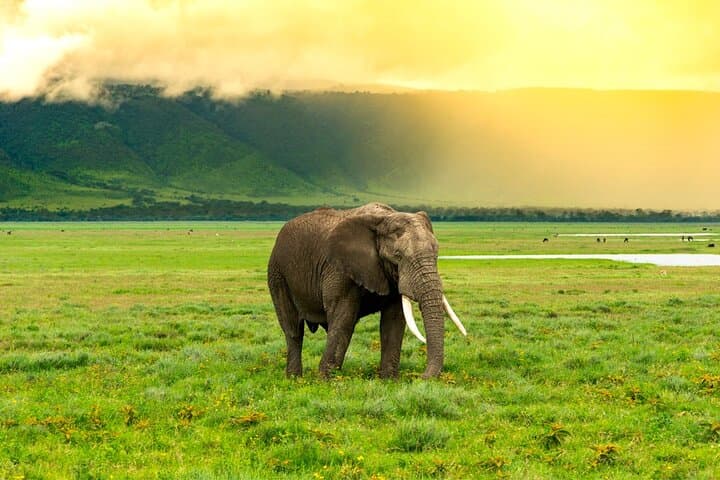
You step off the small bush plane, heat and dust meeting the cool, grassy breath of Selous (Nyerere National Park). Days will alternate between dawn game drives where elephants move like slow rivers through the mopane and evenings on Zanzibar’s white sands, where the ocean teases with turquoise shallows and a reef that hums with fish.
You step off the small bush plane, heat and dust meeting the cool, grassy breath of Selous (Nyerere National Park). Days will alternate between dawn game drives where elephants move like slow rivers through the mopane and evenings on Zanzibar’s white sands, where the ocean teases with turquoise shallows and a reef that hums with fish.
This itinerary stitches two landscapes: Selous, a UNESCO-listed wilderness shaped by seasonal Rufiji River floods and ancient alluvial plains, and Unguja (Zanzibar), a coral-reef island born of limestone and centuries of Indian Ocean trade. Stone Town’s coral-stone lanes and carved wooden doors recall Omani and Swahili histories; spice farms spread citrus and clove aromas that once fueled global commerce.
Expect guided game drives, a bush walk, and a river boat safari in Selous—prime habitat for elephant, lion, hippo, and dozens of bird species. Back on Zanzibar you’ll move into maritime pursuits: snorkeling reefs, dhow cruises at sunset, and visits to Stone Town’s markets and historic sites.
Practically: park fees for Nyerere are listed as included, and internal flights between island and reserve are provided. Bring malaria prophylaxis, reef-safe sunscreen, and binoculars; comfortable closed shoes are essential for bush walks, while sandals suffice on the beaches. Weather swings: long rains in March–May, drier conditions June–October—pack a lightweight rain jacket and breathable layers. Carry local currency for small purchases, respect mosque hours and conservative dress in towns, and follow guides’ safety briefings around wildlife and on boats.
This trip balances high-impact wildlife viewing with restorative seaside days—wild rhythms followed by the slow pulse of the ocean.