THE ADVENTURE COLLECTIVE® · Independent discovery and booking for outdoor travel

An eight-day escorted loop through Iceland's remote Westfjords that pairs soaring seabird cliffs, tiered waterfalls and cultural museums with geothermal industry and Viking history. Expect short hikes, dramatic viewpoints and variable weather.
An eight-day escorted loop through Iceland's remote Westfjords that pairs soaring seabird cliffs, tiered waterfalls and cultural museums with geothermal industry and Viking history. Expect short hikes, dramatic viewpoints and variable weather.
You step off the coach into cold, clean air and the Westfjords open like a map of extremes — a ragged coastline, high cliffs dropping to the North Atlantic, and wide, empty beaches that hold their own weather. Early morning light can silver the sea; later, wind scours the hair of the grass and the air tastes faintly of salt and geothermal steam.
Verified experiences and guided adventures in the surrounding area.
Operated by GJ Travel · Ísafjörður, Westfjords
You step off the coach into cold, clean air and the Westfjords open like a map of extremes — a ragged coastline, high cliffs dropping to the North Atlantic, and wide, empty beaches that hold their own weather. Early morning light can silver the sea; later, wind scours the hair of the grass and the air tastes faintly of salt and geothermal steam.
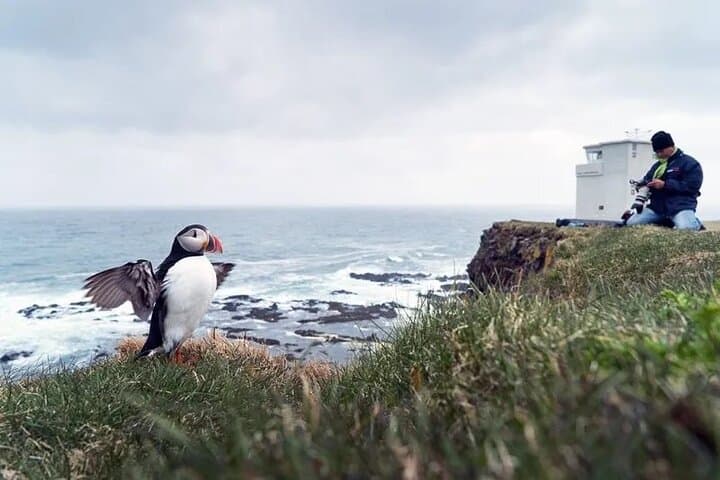
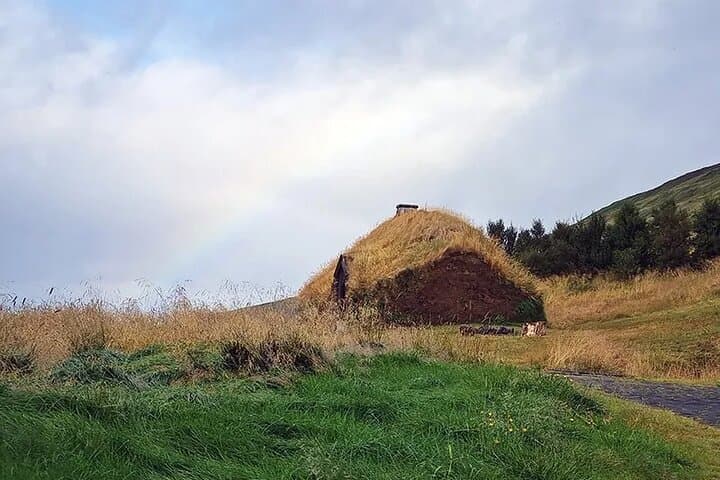
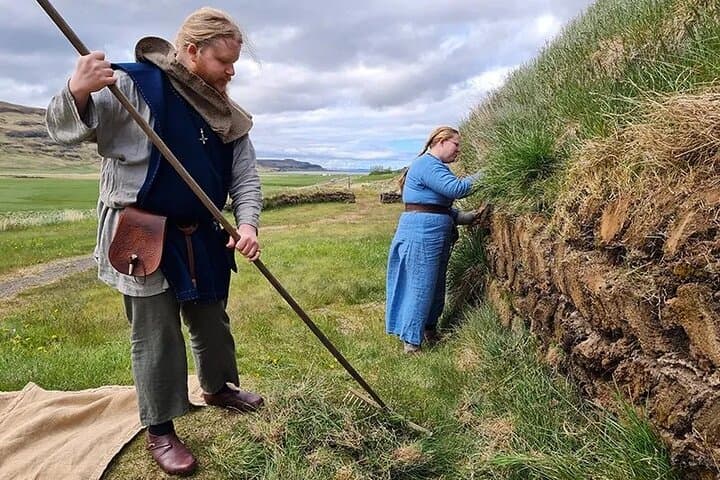
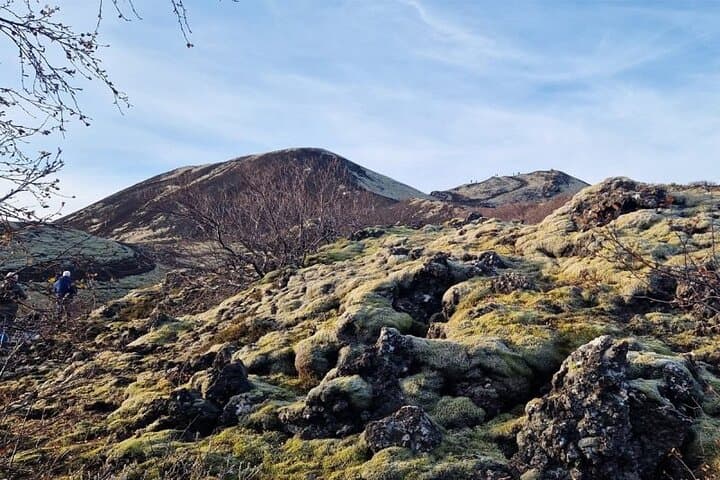
This eight-day route threads Icelandic history and geology together: Pleistocene glacial carving created the fjords you’ll drive, basalt lava flows and eruptions formed the craters at Grábrók, and millennia of sea-spray and nesting seabirds have worn Látrabjarg into a sheer wall. Cultural stops — Eiríksstaðir longhouse, fishing museums, and small bookshops in Flateyri — place modern Icelandic life alongside Viking sagas and 19th-century coastal industry.
Expect a mix of short walks and roadside viewpoints rather than long mountaineering days. Highlights include the layered cascade of Dynjandi, the red sands of Rauðisandur, and the plunging bird colonies on Látrabjarg. Guides explain salt production at a geothermal-powered factory and the folklore-filled Museum of Sorcery and Witchcraft.
Practically: pack waterproof layers and sturdy boots, plan for variable daylight by season, and allow time for weather-delayed drives — roads in the Westfjords can be narrow and exposed. Photography rewards patience; binoculars reward morning cliff visits. The trip balances slow coastal observation with brief hikes and cultural immersion, making it ideal for travelers who want rugged scenery, wildlife, and a deep sense of place without technical scrambling.
easy.
8 days.
Suitable for travelers in average physical condition; involves short walks and standing at viewpoints rather than long hikes.
The itinerary is rated easy with short walks and viewpoints; no technical hiking or climbing is required, though some stops have uneven terrain.
Puffins are most reliably seen in summer on Látrabjarg and nearby cliffs; whales are occasional and depend on sea conditions, best spotted from calm mornings.
Main routes are paved but can be narrow and exposed; some secondary roads are gravel—drivers adjust for conditions and guides schedule extra time for travel.
Waterproof layers, insulated mid-layers, sturdy boots, and windproof accessories; quick-drying fabrics and a dry bag for electronics are useful.
The Westfjords were shaped by glaciation and centuries of fishing culture; sites like Eiríksstaðir and Ósvör connect Viking settlement and 19th-century coastal livelihoods.
Fragile tundra and nesting seabirds are sensitive to trampling and disturbance—stick to paths, avoid cliff edges, and follow guide instructions to minimize impact.
GJ Travel operates guided outdoor trips and adventures with an emphasis on safety, stewardship, and memorable experiences.
You step off the coach into cold, clean air and the Westfjords open like a map of extremes — a ragged coastline, high cliffs dropping to the North Atlantic, and wide, empty beaches that hold their own weather. Early morning light can silver the sea; later, wind scours the hair of the grass and the air tastes faintly of salt and geothermal steam.
You step off the coach into cold, clean air and the Westfjords open like a map of extremes — a ragged coastline, high cliffs dropping to the North Atlantic, and wide, empty beaches that hold their own weather. Early morning light can silver the sea; later, wind scours the hair of the grass and the air tastes faintly of salt and geothermal steam.
This eight-day route threads Icelandic history and geology together: Pleistocene glacial carving created the fjords you’ll drive, basalt lava flows and eruptions formed the craters at Grábrók, and millennia of sea-spray and nesting seabirds have worn Látrabjarg into a sheer wall. Cultural stops — Eiríksstaðir longhouse, fishing museums, and small bookshops in Flateyri — place modern Icelandic life alongside Viking sagas and 19th-century coastal industry.
Expect a mix of short walks and roadside viewpoints rather than long mountaineering days. Highlights include the layered cascade of Dynjandi, the red sands of Rauðisandur, and the plunging bird colonies on Látrabjarg. Guides explain salt production at a geothermal-powered factory and the folklore-filled Museum of Sorcery and Witchcraft.
Practically: pack waterproof layers and sturdy boots, plan for variable daylight by season, and allow time for weather-delayed drives — roads in the Westfjords can be narrow and exposed. Photography rewards patience; binoculars reward morning cliff visits. The trip balances slow coastal observation with brief hikes and cultural immersion, making it ideal for travelers who want rugged scenery, wildlife, and a deep sense of place without technical scrambling.