THE ADVENTURE COLLECTIVE® · Independent discovery and booking for outdoor travel

An eight-day circuit that pairs Tunisia’s Roman ruins, holy cities and coastal towns with the stark beauty of the Sahara. Travel by private transport from Tunis through oasis valleys, the Chott el Jerid salt flats and a desert camp experience in Douz.
An eight-day circuit that pairs Tunisia’s Roman ruins, holy cities and coastal towns with the stark beauty of the Sahara. Travel by private transport from Tunis through oasis valleys, the Chott el Jerid salt flats and a desert camp experience in Douz.
Dawn breaks over Tunis and the city exhales — calls to prayer ripple through the narrow medina streets while coaches load luggage for the long drive south. Over eight days the route moves from whitewashed coastal towns to palm-fringed oases, across the bleached saltbed of Chott el Jerid and into dunes where the Sahara shifts like a slow tide.
Verified experiences and guided adventures in the surrounding area.
Operated by TUNISIVISION · Tunis, Tunis Governorate
Dawn breaks over Tunis and the city exhales — calls to prayer ripple through the narrow medina streets while coaches load luggage for the long drive south. Over eight days the route moves from whitewashed coastal towns to palm-fringed oases, across the bleached saltbed of Chott el Jerid and into dunes where the Sahara shifts like a slow tide.
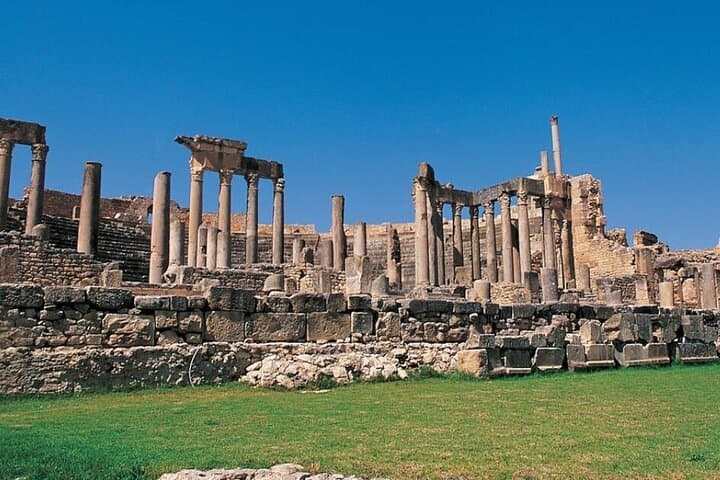
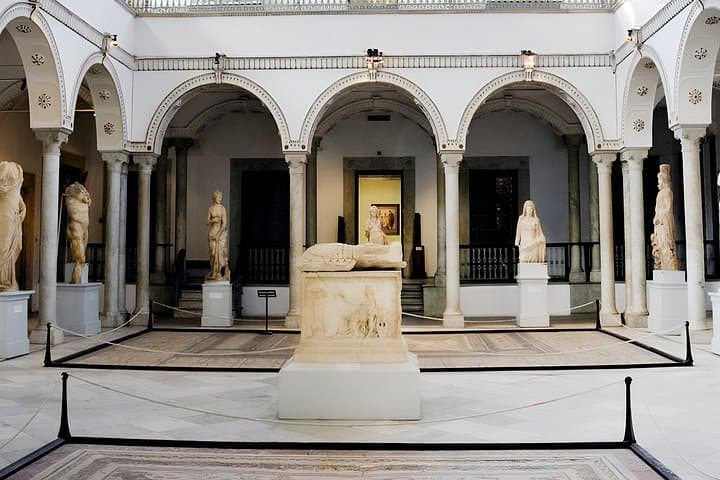
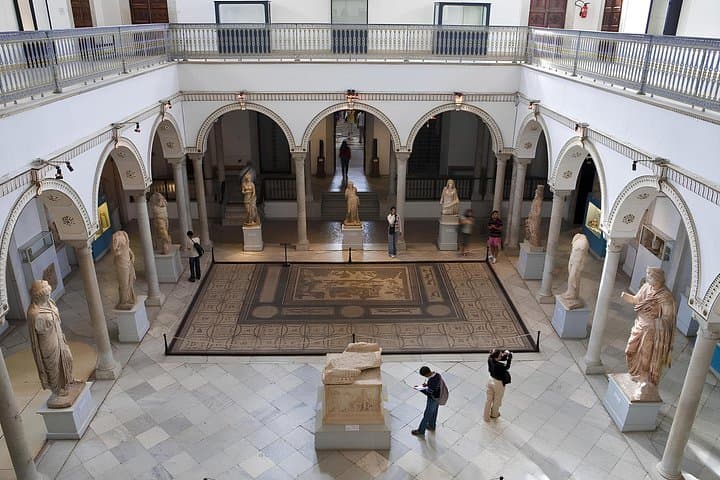
The itinerary threads Roman ruins (El Jem, Dougga), Islamic heritage in Kairouan and the distinctive troglodyte cave dwellings at Matmata. Geologically the trip swings between Mediterranean limestone coasts, Miocene hills inland and the Quaternary sands of the southern erg; Mides rewards those who climb to its 820 m vantage with a wide bowl of ridgelines. In the south, Chebika and Tamaghza reveal spring-fed pools that feel almost illegal in a desert landscape. Ong Jmal’s lunar façades add a pop-culture layer as the real-world backdrop to Mos Espa.
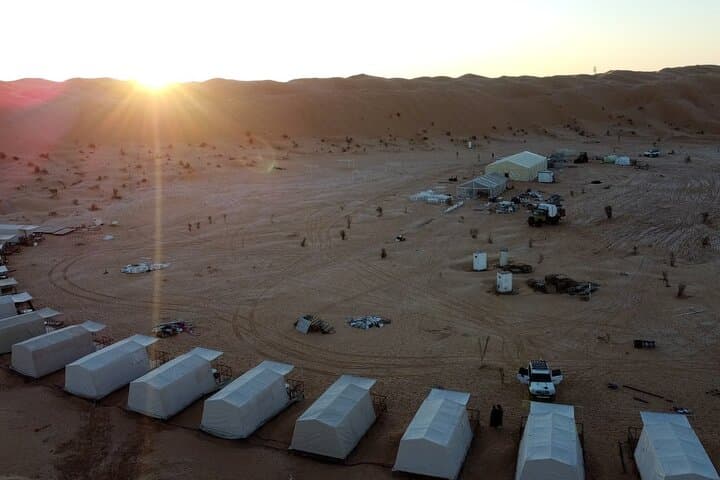
Practical details matter: expect several multi-hour drives in private transport, at least one 4x4 stretch and an overnight in a desert camp (basic comforts, star-lit skies). Meals are included most nights, and accommodation is 4-star where available. Travelers should have a moderate fitness level for short walks at archeological sites and uneven terrain in oasis valleys. Pack sturdy shoes, sun protection and layers for cool desert nights; carry ample water and respect local customs at religious sites. With a guide handling logistics, the trip balances cultural depth and raw landscapes — a compact, immersive sweep through Tunisia’s layered history and wide-open spaces.
moderate.
8 days.
Moderate — able to handle several hours of walking across uneven ground, short hikes and multi-hour vehicle transfers.
Private transportation, a professional guide, 4‑star accommodation most nights, and breakfasts and dinners for seven nights are included; some optional activities (quad-bike, extended camel rides) are extra.
The tour is moderate: most activity involves short walks at sites, some uneven terrain, and multi-hour vehicle transfers—no technical climbing required.
Desert camps offer basic but comfortable tents or lodges, communal dining and sleeping facilities that vary by provider; expect simple bedding and shared facilities in remote locations.
Visa rules depend on your nationality—check Tunisia’s entry requirements and ensure your passport is valid for the duration of travel; travel insurance is recommended.
Tunisia’s landscape carries layers of Punic, Roman and Islamic history—sites like El Jem and Dougga showcase Roman urban planning, while Kairouan remains a major early Islamic center.
The desert and oasis ecosystems are fragile—conserve water, avoid off-track driving in dunes, and support locally run accommodations and guides to benefit communities.
TUNISIVISION operates guided outdoor trips and adventures with an emphasis on safety, stewardship, and memorable experiences.
Dawn breaks over Tunis and the city exhales — calls to prayer ripple through the narrow medina streets while coaches load luggage for the long drive south. Over eight days the route moves from whitewashed coastal towns to palm-fringed oases, across the bleached saltbed of Chott el Jerid and into dunes where the Sahara shifts like a slow tide.
Dawn breaks over Tunis and the city exhales — calls to prayer ripple through the narrow medina streets while coaches load luggage for the long drive south. Over eight days the route moves from whitewashed coastal towns to palm-fringed oases, across the bleached saltbed of Chott el Jerid and into dunes where the Sahara shifts like a slow tide.
The itinerary threads Roman ruins (El Jem, Dougga), Islamic heritage in Kairouan and the distinctive troglodyte cave dwellings at Matmata. Geologically the trip swings between Mediterranean limestone coasts, Miocene hills inland and the Quaternary sands of the southern erg; Mides rewards those who climb to its 820 m vantage with a wide bowl of ridgelines. In the south, Chebika and Tamaghza reveal spring-fed pools that feel almost illegal in a desert landscape. Ong Jmal’s lunar façades add a pop-culture layer as the real-world backdrop to Mos Espa.
Practical details matter: expect several multi-hour drives in private transport, at least one 4x4 stretch and an overnight in a desert camp (basic comforts, star-lit skies). Meals are included most nights, and accommodation is 4-star where available. Travelers should have a moderate fitness level for short walks at archeological sites and uneven terrain in oasis valleys. Pack sturdy shoes, sun protection and layers for cool desert nights; carry ample water and respect local customs at religious sites. With a guide handling logistics, the trip balances cultural depth and raw landscapes — a compact, immersive sweep through Tunisia’s layered history and wide-open spaces.