THE ADVENTURE COLLECTIVE® · Independent discovery and booking for outdoor travel

An eight-day private loop through Sri Lanka that stitches ancient rocks, tea highlands and coastal wildlife into a single itinerary—perfect for travelers who want cultural depth and varied terrain without fuss. Climb Sigiriya at dawn, ride the Nuwara Eliya–Ella train, search Yala for leopards and finish on Mirissa’s shore.
An eight-day private loop through Sri Lanka that stitches ancient rocks, tea highlands and coastal wildlife into a single itinerary—perfect for travelers who want cultural depth and varied terrain without fuss. Climb Sigiriya at dawn, ride the Nuwara Eliya–Ella train, search Yala for leopards and finish on Mirissa’s shore.
The driver waits at Bandaranaike International Airport holding a name board, the humid air a first clue that the island will move at its own rhythm. By the time the road opens onto the scrub and paddy fields outside Colombo, a patchwork of temples, tea slopes and coconut palms has begun to reveal itself—each stop on this eight-day loop feels like a deliberate stitch through Sri Lanka’s varied landscapes.
Verified experiences and guided adventures in the surrounding area.
Operated by Salut Sri Lanka Tours · Sigiriya, Central Province
The driver waits at Bandaranaike International Airport holding a name board, the humid air a first clue that the island will move at its own rhythm. By the time the road opens onto the scrub and paddy fields outside Colombo, a patchwork of temples, tea slopes and coconut palms has begun to reveal itself—each stop on this eight-day loop feels like a deliberate stitch through Sri Lanka’s varied landscapes.
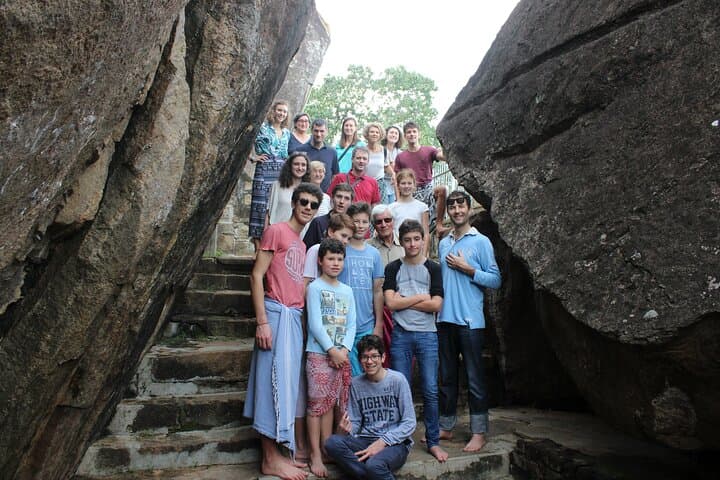
Start in the ancient heart: Sigiriya’s Lion Rock rises 200 meters above the plains and demands a climb—roughly 1,200 steps—past frescoes and the jagged mouth of the carved lion where history presses close. Opposite, Pidurangala offers a quieter dawn scramble with a 360-degree payoff; from its summit you watch the sun spill gold across the fortress as the island wakes. From there the route threads cultural centers and highland tea country—Dambulla’s cave temples, the royal palms of Peradeniya, and the cool terraces of Nuwara Eliya at roughly 1,745 meters elevation.
Geology and empire shape the route. Sigiriya is a hardened magma plug, its terraces and hydraulic gardens evidence of a fifth-century palace complex and a king’s uneasy legacy. Galle Fort on the final day is a stone map of colonial competition—Portuguese bastions later reshaped by Dutch masonry—planted on a coral-lined coast where ocean trade once defined fortune.
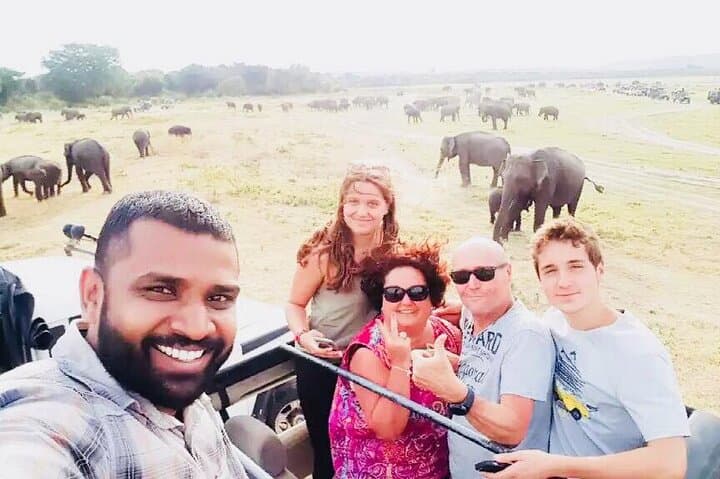
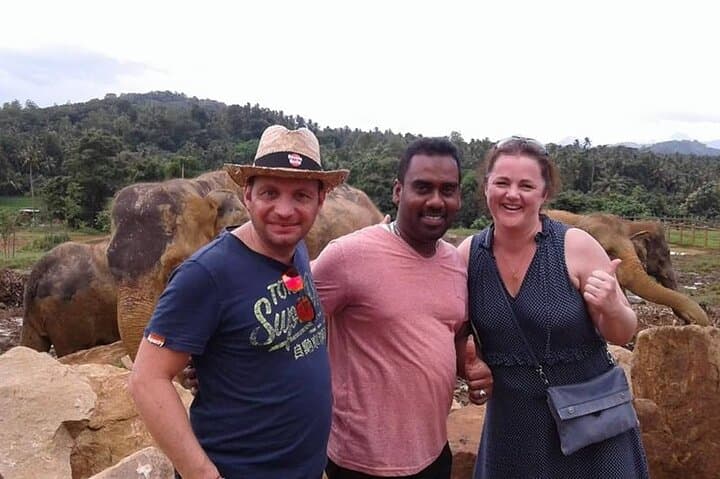
Wildlife and rural life are deliberate contrasts. A half-day jeep safari in Yala searches for the famously elusive Sri Lankan leopard among scrub and lagoons; elephant herds and water buffalo are regular features. The southern coast softens the itinerary with Mirissa’s sand and the crooked silhouette of Coconut Tree Hill, where local fishermen and seasonal whale-watch boats narrate the sea’s rhythms.
Practical guidance: plan moderate fitness for daily walks, short hikes and stair climbs; the toughest vertical gain is Sigiriya’s 200 meters over staggered steps. Travel time between nodes can be long—expect multiple two-to-four hour drives and a scenic train leg from Ohiya to Ella that is worth building into the schedule for luggage and seat reservations. Carry a reusable water bottle with purification tablets or a filter; hydration is constant in the lowlands and sun protection essential. For temple visits, shoulders and knees should be covered and shoes removed; bring a lightweight wrap.
Logistics: this is a private, wheelchair-accessible tour option with airport pickup; drivers commonly handle luggage and local permits. Best months for coastal weather and wildlife visibility are December–April on the southwest coast and February–October for the east; pack a light rain shell for short tropical downpours any time of year. Respect local customs, hire certified guides at heritage sites when available, and practice responsible wildlife viewing—keep distance, follow safari guide instructions, and avoid feeding animals.
By day eight, after tea histories and leopard tracks, the trip deposits travelers at the ramparts of Galle Fort or on a Mirissa beach, each a tidy frame for what Sri Lanka gives most honestly: contrast, color and travel paced to curiosity.
moderate.
8 days.
Suitable for travelers in reasonable shape who can manage multi-day travel, stair climbs (Sigiriya ~1,200 steps) and short hikes at elevation.
Sigiriya involves about 1,200 steps and roughly 200 meters of ascent; take breaks on the platforms—most visitors complete it in 45–90 minutes depending on fitness.
This tour is offered as a private itinerary and lists wheelchair-accessible options; confirm specific mobility needs at booking to ensure suitable vehicle and site access.
Dry months—typically February to July—concentrate wildlife around water sources, improving chances to spot leopards and elephants; early morning or late afternoon safaris are best.
Yes—most itineraries include a staffed tea factory visit and tasting; it’s a short, flat walk with interpretive exhibits on processing and estate history.
Most travelers require an ETA or visa for Sri Lanka; routine vaccinations are recommended and check CDC guidance for updates on required or suggested immunizations.
Tipping is common for guides and drivers—small daily amounts per person are appropriate; tipping is discretionary but appreciated for good service.
Sigiriya is an engineered royal complex from the late 5th century built into a volcanic plug; Galle Fort reflects Portuguese and Dutch colonial layers along a coral coast.
Support certified guides and avoid single-use plastics; in national parks follow vehicle limits and keep distance from wildlife to minimize disturbance.
Salut Sri Lanka Tours operates guided outdoor trips and adventures with an emphasis on safety, stewardship, and memorable experiences.
The driver waits at Bandaranaike International Airport holding a name board, the humid air a first clue that the island will move at its own rhythm. By the time the road opens onto the scrub and paddy fields outside Colombo, a patchwork of temples, tea slopes and coconut palms has begun to reveal itself—each stop on this eight-day loop feels like a deliberate stitch through Sri Lanka’s varied landscapes.
The driver waits at Bandaranaike International Airport holding a name board, the humid air a first clue that the island will move at its own rhythm. By the time the road opens onto the scrub and paddy fields outside Colombo, a patchwork of temples, tea slopes and coconut palms has begun to reveal itself—each stop on this eight-day loop feels like a deliberate stitch through Sri Lanka’s varied landscapes.
Start in the ancient heart: Sigiriya’s Lion Rock rises 200 meters above the plains and demands a climb—roughly 1,200 steps—past frescoes and the jagged mouth of the carved lion where history presses close. Opposite, Pidurangala offers a quieter dawn scramble with a 360-degree payoff; from its summit you watch the sun spill gold across the fortress as the island wakes. From there the route threads cultural centers and highland tea country—Dambulla’s cave temples, the royal palms of Peradeniya, and the cool terraces of Nuwara Eliya at roughly 1,745 meters elevation.
Geology and empire shape the route. Sigiriya is a hardened magma plug, its terraces and hydraulic gardens evidence of a fifth-century palace complex and a king’s uneasy legacy. Galle Fort on the final day is a stone map of colonial competition—Portuguese bastions later reshaped by Dutch masonry—planted on a coral-lined coast where ocean trade once defined fortune.
Wildlife and rural life are deliberate contrasts. A half-day jeep safari in Yala searches for the famously elusive Sri Lankan leopard among scrub and lagoons; elephant herds and water buffalo are regular features. The southern coast softens the itinerary with Mirissa’s sand and the crooked silhouette of Coconut Tree Hill, where local fishermen and seasonal whale-watch boats narrate the sea’s rhythms.
Practical guidance: plan moderate fitness for daily walks, short hikes and stair climbs; the toughest vertical gain is Sigiriya’s 200 meters over staggered steps. Travel time between nodes can be long—expect multiple two-to-four hour drives and a scenic train leg from Ohiya to Ella that is worth building into the schedule for luggage and seat reservations. Carry a reusable water bottle with purification tablets or a filter; hydration is constant in the lowlands and sun protection essential. For temple visits, shoulders and knees should be covered and shoes removed; bring a lightweight wrap.
Logistics: this is a private, wheelchair-accessible tour option with airport pickup; drivers commonly handle luggage and local permits. Best months for coastal weather and wildlife visibility are December–April on the southwest coast and February–October for the east; pack a light rain shell for short tropical downpours any time of year. Respect local customs, hire certified guides at heritage sites when available, and practice responsible wildlife viewing—keep distance, follow safari guide instructions, and avoid feeding animals.
By day eight, after tea histories and leopard tracks, the trip deposits travelers at the ramparts of Galle Fort or on a Mirissa beach, each a tidy frame for what Sri Lanka gives most honestly: contrast, color and travel paced to curiosity.