THE ADVENTURE COLLECTIVE® · Independent discovery and booking for outdoor travel

From Marrakech to the Sahara in eight days: follow high mountain passes, walk narrow gorges, meet Berber communities and sleep under the stars in Merzouga. This round trip balances scenic drives, short hikes and cultural stops for a panoramic introduction to southern Morocco.
From Marrakech to the Sahara in eight days: follow high mountain passes, walk narrow gorges, meet Berber communities and sleep under the stars in Merzouga. This round trip balances scenic drives, short hikes and cultural stops for a panoramic introduction to southern Morocco.
The morning light in Marrakech slices through the riad's mashrabiya like a call to move. By noon the air in the High Atlas feels cooler, the peaks giving way to terraced fields and villages that have watched caravans pass for centuries. Over eight days you trade the city's maze for narrow gorges, palm-slung oases and the slow, deliberate sway of dromedaries as the Sahara beckons.
Verified experiences and guided adventures in the surrounding area.
Operated by Ausflug Reisen Marokko · Marrakech, Marrakesh-Safi
The morning light in Marrakech slices through the riad's mashrabiya like a call to move. By noon the air in the High Atlas feels cooler, the peaks giving way to terraced fields and villages that have watched caravans pass for centuries. Over eight days you trade the city's maze for narrow gorges, palm-slung oases and the slow, deliberate sway of dromedaries as the Sahara beckons.
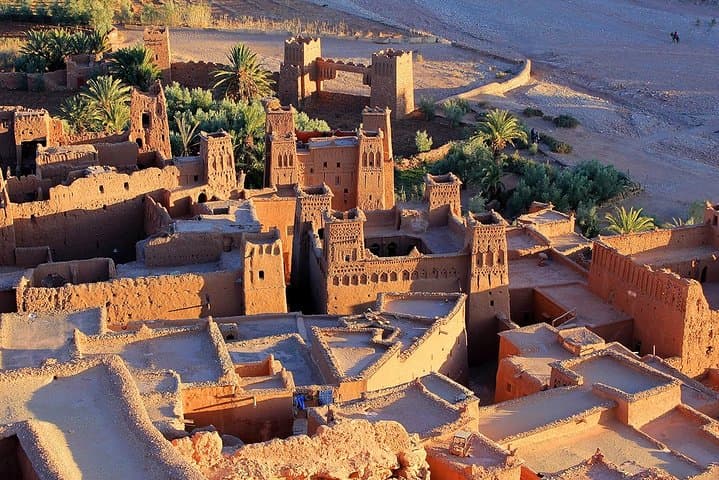
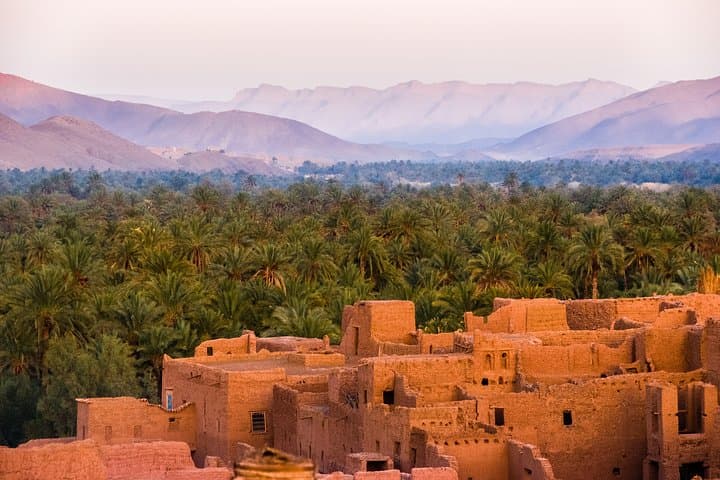
This route follows old arteries of trade and settlement: kasbahs and ksars that rose where water and stone met, places where Berber and Arab cultures braided daily life. Geologically, the trip reads like a primer on Morocco's tectonic theatrics — folded schists and sandstone of the High Atlas give way to the wind-sculpted dunes of Erg Chebbi. In the Dades and Todra valleys, vertical walls rise 200–300 meters, the river daring you into the narrows, while Merzouga's dunes move inch by wind-driven inch, erasing footprints by morning.
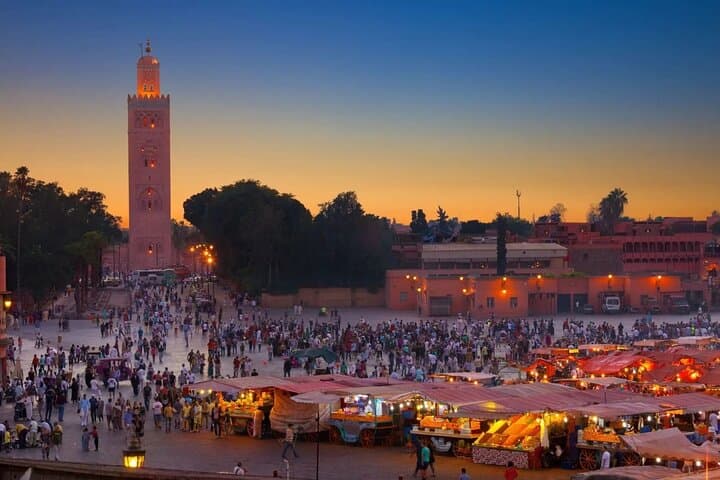
Culture is active, not museumized: in Ait Bougmez (the 'Valley of Joy') farmers still channel irrigation with stone-fed channels, and in Tamegroute you'll handle green-glazed pottery and see manuscripts that map the spread of knowledge across North Africa. Stop at Kelâa M'Gouna to taste rose water; in the souks of Zagora the market hums with voices and dates stacked like dark amber.
Practically, this is a traveler's tour rather than a technical expedition. Days alternate between driving stretches and short hikes — easy to moderate walking through palm groves, steps down to Ouzoud Falls, and a 30–60 minute camel ride to a private desert camp outside Merzouga. Accommodations range from riads in Marrakech to kasbahs and comfort tents with electricity and basic sinks. The route crosses Tizi n’Tichka at 2,260 m where snow lingers into spring; a four-wheel vehicle and an experienced driver make the difference on gravel passes.
Timing matters: early starts beat heat in the desert and the midday glare in the gorges. Bring layered clothing — mountain mornings can be sharp, desert nights drop dramatically — and plan water resupplies in towns like Erfoud and Rissani. Respect local customs: modest dress in villages and ask before photographing people. For a deeper encounter, accept a local guide in Ait Bougmez or a pottery demonstration in Tamegroute.
This itinerary rewards travelers who want varied landscapes in a compact circuit: waterfalls, mountain terraces, tight canyons and the wide, patient rhythm of the Sahara. It’s travel paced to let the land make its case — and to give you time to listen.
moderate.
8 days.
Suitable for travelers with basic fitness: able to manage short hikes (30–90 minutes), stairs, and multi-hour drives.
Expect several hours of driving on most days; the itinerary balances long transfers with multiple short stops for walks, viewpoints and meals.
Yes — you can opt for a jeep transfer to the camp or overnight in a local auberge instead of a tented camp.
The tour is rated easy to moderate and suitable for varied fitness levels; note the long drives and rough road sections may be tiring for some.
The tour includes German-speaking leadership from day 1 to day 8; local guides may speak Arabic, Tamazight (Berber) and French.
Spring and fall offer milder temperatures; winter is cooler with possible snow at high passes, and summer can be very hot in lowland desert areas.
The itinerary includes seven breakfasts and four dinners; other meals are typically at your own expense with recommendations from your guide.
The route traces historic trans-Saharan and mountain trade paths; ksars like Ait Benhaddou grew where water, caravans and strategic routes converged.
Water is scarce — support local water-conserving practices and avoid single-use plastics; stick to established paths to protect fragile dune and oasis habitats.
Ausflug Reisen Marokko operates guided outdoor trips and adventures with an emphasis on safety, stewardship, and memorable experiences.
The morning light in Marrakech slices through the riad's mashrabiya like a call to move. By noon the air in the High Atlas feels cooler, the peaks giving way to terraced fields and villages that have watched caravans pass for centuries. Over eight days you trade the city's maze for narrow gorges, palm-slung oases and the slow, deliberate sway of dromedaries as the Sahara beckons.
The morning light in Marrakech slices through the riad's mashrabiya like a call to move. By noon the air in the High Atlas feels cooler, the peaks giving way to terraced fields and villages that have watched caravans pass for centuries. Over eight days you trade the city's maze for narrow gorges, palm-slung oases and the slow, deliberate sway of dromedaries as the Sahara beckons.
This route follows old arteries of trade and settlement: kasbahs and ksars that rose where water and stone met, places where Berber and Arab cultures braided daily life. Geologically, the trip reads like a primer on Morocco's tectonic theatrics — folded schists and sandstone of the High Atlas give way to the wind-sculpted dunes of Erg Chebbi. In the Dades and Todra valleys, vertical walls rise 200–300 meters, the river daring you into the narrows, while Merzouga's dunes move inch by wind-driven inch, erasing footprints by morning.
Culture is active, not museumized: in Ait Bougmez (the 'Valley of Joy') farmers still channel irrigation with stone-fed channels, and in Tamegroute you'll handle green-glazed pottery and see manuscripts that map the spread of knowledge across North Africa. Stop at Kelâa M'Gouna to taste rose water; in the souks of Zagora the market hums with voices and dates stacked like dark amber.
Practically, this is a traveler's tour rather than a technical expedition. Days alternate between driving stretches and short hikes — easy to moderate walking through palm groves, steps down to Ouzoud Falls, and a 30–60 minute camel ride to a private desert camp outside Merzouga. Accommodations range from riads in Marrakech to kasbahs and comfort tents with electricity and basic sinks. The route crosses Tizi n’Tichka at 2,260 m where snow lingers into spring; a four-wheel vehicle and an experienced driver make the difference on gravel passes.
Timing matters: early starts beat heat in the desert and the midday glare in the gorges. Bring layered clothing — mountain mornings can be sharp, desert nights drop dramatically — and plan water resupplies in towns like Erfoud and Rissani. Respect local customs: modest dress in villages and ask before photographing people. For a deeper encounter, accept a local guide in Ait Bougmez or a pottery demonstration in Tamegroute.
This itinerary rewards travelers who want varied landscapes in a compact circuit: waterfalls, mountain terraces, tight canyons and the wide, patient rhythm of the Sahara. It’s travel paced to let the land make its case — and to give you time to listen.