THE ADVENTURE COLLECTIVE® · Independent discovery and booking for outdoor travel

Travel from Selous’ riverine marshes through Mikumi’s plains to Ruaha’s rugged woodlands on an eight-day southern circuit safari. Expect boat safaris, walking game drives, long transfers, and prime wildlife viewing in a lesser-visited corner of Tanzania.
Travel from Selous’ riverine marshes through Mikumi’s plains to Ruaha’s rugged woodlands on an eight-day southern circuit safari. Expect boat safaris, walking game drives, long transfers, and prime wildlife viewing in a lesser-visited corner of Tanzania.
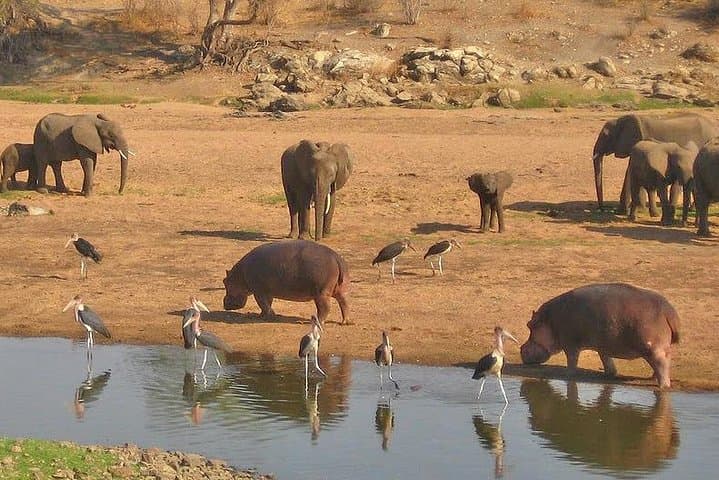
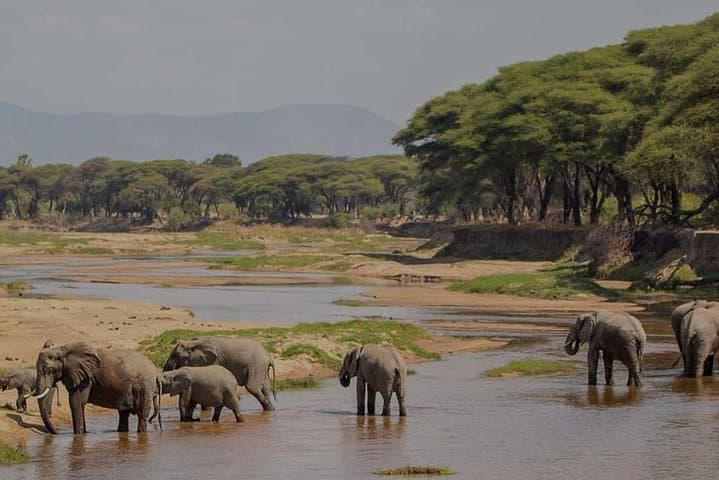
Dawn breaks across a wide African horizon and the first light slants through scattering acacia, revealing the flat roofs of hippo pools and the ribbon of the Rufiji river daring you to come closer. Over eight days the southern circuit moves from Selous’ marshes to Mikumi’s open plains and Ruaha’s rugged miombo woodlands, each landscape offering a different rhythm of wildlife and weather.
Verified experiences and guided adventures in the surrounding area.
Operated by Kilimanjaro Safari Experience · Dar es Salaam, Dar es Salaam
Dawn breaks across a wide African horizon and the first light slants through scattering acacia, revealing the flat roofs of hippo pools and the ribbon of the Rufiji river daring you to come closer. Over eight days the southern circuit moves from Selous’ marshes to Mikumi’s open plains and Ruaha’s rugged miombo woodlands, each landscape offering a different rhythm of wildlife and weather.
Selous (now part of Nyerere National Park) covers roughly 55,500 km² and is shaped by the Rufiji’s slow floodplain; its boat safaris and walking excursions emphasize water and quiet observation. Mikumi sits near the Udzungwa foothills with grassy plains and seasonal floodplains that attract large herds, while Ruaha’s ancient river valleys, rocky outcrops and baobab-studded ridges host robust populations of elephant and African wild dog. The route threads modern conservation history—Selous’ changing protection status—and local culture around Iringa, historically home to the Hehe people and their resistance under Mkwawa.
Practical guidance is straightforward: expect long road transfers between parks, early-morning and late-afternoon game drives, boat trips on the Rufiji, and tented or lodge camps each night. Bring malaria prophylaxis, sturdy but light layers for variable mornings and hot afternoons, a long lens for game viewing, insect repellent, and a refillable water bottle. Peak visibility runs in the dry months (June–October) when grasses are low and animals congregate; the rainy season brings lush scenery and newborns but muddier tracks. Respect park rules, follow your guide’s lead on walking safaris, and budget time for photography stops—the land itself pushes the itinerary forward with patience and presence.
easy.
8 days.
Suitable for most fitness levels; be prepared for several hours in vehicles and short guided walks.
Yes—consult a travel clinic for recommended vaccinations and start malaria prophylaxis before travel; carry insect repellent and use bed nets where provided.
Expect multiple long transfers (several hours) between parks with game drives each morning and afternoon; roads can be rough in places.
Children can join but policies vary by camp; confirm age limits with the operator and bring appropriate car seats if needed.
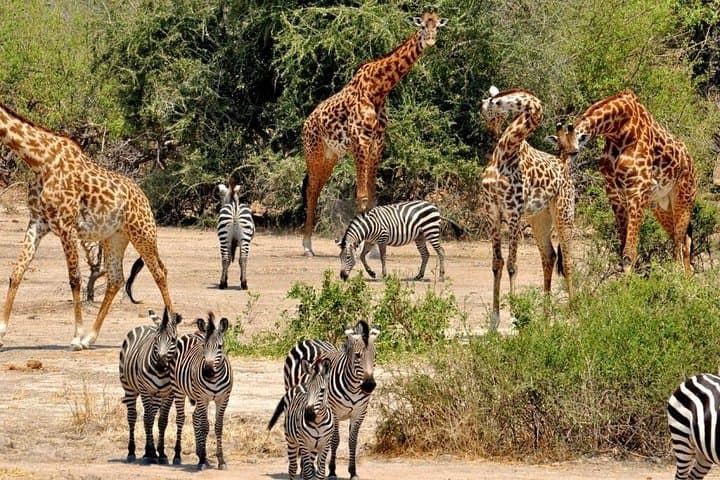
High-quality viewing—Selous and Ruaha host elephants, lions, and wild dogs; Mikumi often delivers large herds—season and park conditions affect sightings.
Selous Game Reserve was named after explorer Frederick Selous and the Iringa area is tied to the Hehe people and resistance under Chief Mkwawa; the parks reflect both colonial-era naming and deep local histories.
These parks face pressures from habitat change and poaching; reputable operators support local rangers and community projects—travelers should minimize impact and follow guide instructions.
Kilimanjaro Safari Experience operates guided outdoor trips and adventures with an emphasis on safety, stewardship, and memorable experiences.
Dawn breaks across a wide African horizon and the first light slants through scattering acacia, revealing the flat roofs of hippo pools and the ribbon of the Rufiji river daring you to come closer. Over eight days the southern circuit moves from Selous’ marshes to Mikumi’s open plains and Ruaha’s rugged miombo woodlands, each landscape offering a different rhythm of wildlife and weather.
Dawn breaks across a wide African horizon and the first light slants through scattering acacia, revealing the flat roofs of hippo pools and the ribbon of the Rufiji river daring you to come closer. Over eight days the southern circuit moves from Selous’ marshes to Mikumi’s open plains and Ruaha’s rugged miombo woodlands, each landscape offering a different rhythm of wildlife and weather.
Selous (now part of Nyerere National Park) covers roughly 55,500 km² and is shaped by the Rufiji’s slow floodplain; its boat safaris and walking excursions emphasize water and quiet observation. Mikumi sits near the Udzungwa foothills with grassy plains and seasonal floodplains that attract large herds, while Ruaha’s ancient river valleys, rocky outcrops and baobab-studded ridges host robust populations of elephant and African wild dog. The route threads modern conservation history—Selous’ changing protection status—and local culture around Iringa, historically home to the Hehe people and their resistance under Mkwawa.
Practical guidance is straightforward: expect long road transfers between parks, early-morning and late-afternoon game drives, boat trips on the Rufiji, and tented or lodge camps each night. Bring malaria prophylaxis, sturdy but light layers for variable mornings and hot afternoons, a long lens for game viewing, insect repellent, and a refillable water bottle. Peak visibility runs in the dry months (June–October) when grasses are low and animals congregate; the rainy season brings lush scenery and newborns but muddier tracks. Respect park rules, follow your guide’s lead on walking safaris, and budget time for photography stops—the land itself pushes the itinerary forward with patience and presence.