THE ADVENTURE COLLECTIVE® · Independent discovery and booking for outdoor travel

Travel from misty tea slopes to slow, houseboat backwaters and the wildlife-rich Kabini on this eight-day South India circuit. Expect cultural performances, national park safaris and relaxed cruising through Kerala’s lagoons.
Travel from misty tea slopes to slow, houseboat backwaters and the wildlife-rich Kabini on this eight-day South India circuit. Expect cultural performances, national park safaris and relaxed cruising through Kerala’s lagoons.
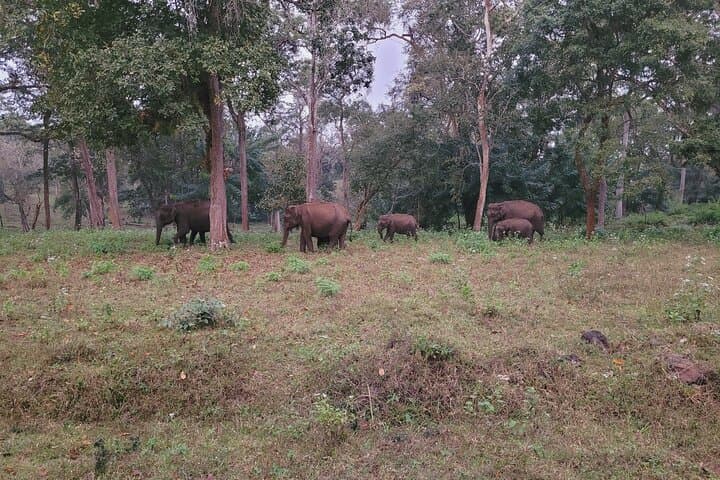
Morning light slices through the tea rows of Munnar and the air smells faintly of fresh-steeped chai; later, a houseboat drifts like a slow thought across Vembanad Lake while kabini’s river edges hold still, listening for elephants.
Verified experiences and guided adventures in the surrounding area.
Operated by 3rd Generation Monks · Bengaluru, Karnataka
Morning light slices through the tea rows of Munnar and the air smells faintly of fresh-steeped chai; later, a houseboat drifts like a slow thought across Vembanad Lake while kabini’s river edges hold still, listening for elephants.
This eight-day circuit links highland ecology, coastal waterways and inland reserves. Beginning in Bangalore, it moves to Munnar’s shola forests and tea estates—geology here is part of the Western Ghats, an ancient fold of Precambrian rock that shaped steep ridgelines and rain-catching valleys. Downhill, the backwaters around Kumarakom and Alleppey are Kerala’s coastal lagoon system carved by rivers and sea, a living landscape of canals, paddy fields and fishing hamlets.
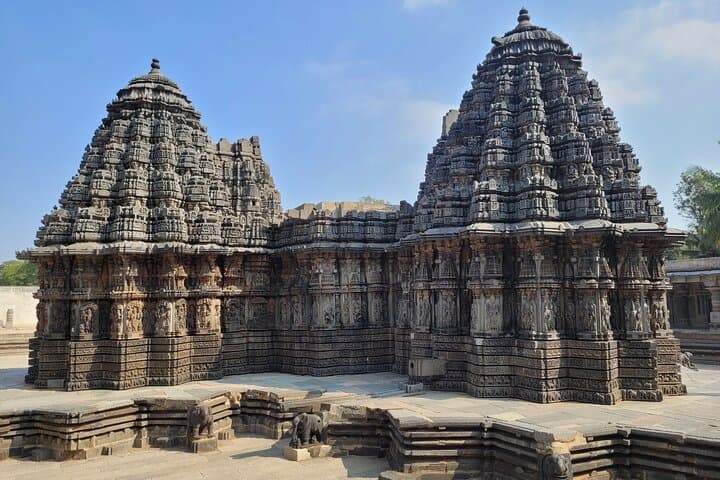
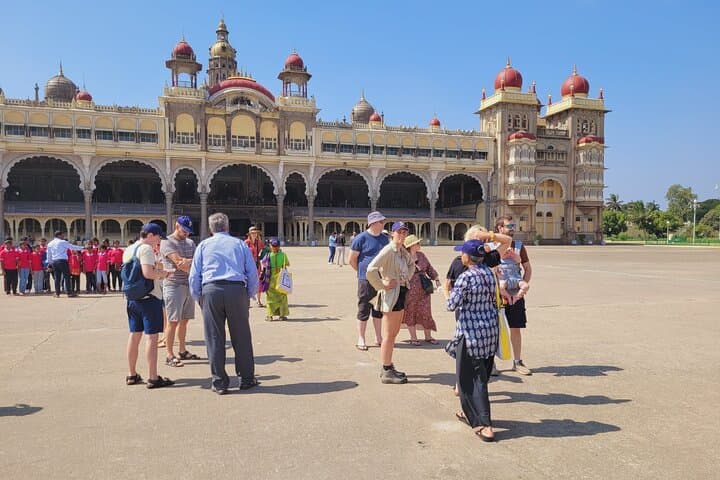
Culture threads through the trip: tea factory tours explain estate economies; Kathakali and Kalari performances show classical and martial traditions; Mysore offers royal history at its palace and the 13th-century Hoysala-era Chennakesava temple along the return.
Practical guidance: expect a mix of gentle walks, guided safaris, boat time and vehicle transfers—pack for humidity and sun at low elevations and cooler, wet mornings in the hills. Bring binoculars for birding on Vembanad and early-morning boat safaris in Kabini when wildlife is most active. Respect park rules—stay inside vehicles on safaris and keep noise low.
Timing matters: dawn safaris and sunset boat passages are where the place shows its best colors. Hydrate between activities, wear grippy shoes for estate paths, and plan modest tipping for local guides and boat crews. This trip balances comfort and wild encounters—nature pushes gently but deliberately, and the region answers in sights and sounds worth waking up for.
moderate.
8 days.
Suitable for travellers in moderate physical condition; mostly short walks, boat travel and vehicle transfers—able to climb steps and handle uneven paths.
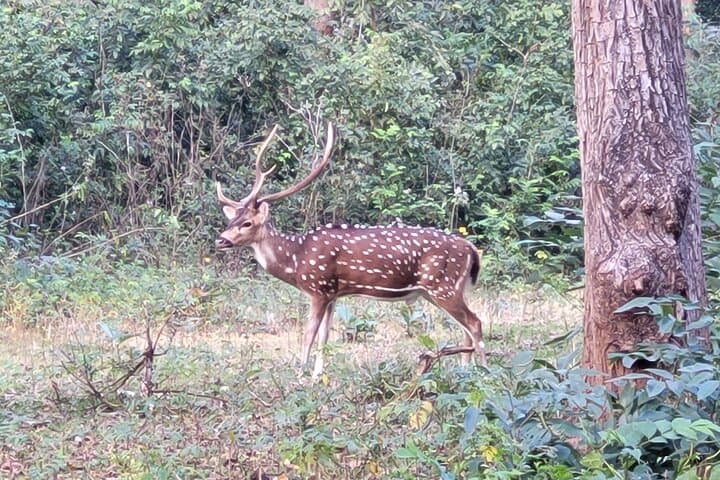
Tigers are present but sightings are not guaranteed; Kabini offers good chances if you do multiple early-morning or late-afternoon safaris with experienced local guides.
Yes—accommodations and transfers are arranged at a relaxed pace; however safaris and boat trips require basic mobility and supervision for young children.
Routine vaccinations should be up to date; consult a travel clinic for region-specific advice—malaria risk varies by season and location, so get medical guidance before travel.
Yes—hotels, houseboats and resorts typically accommodate vegetarian, vegan and common dietary restrictions when informed in advance.
The route threads former princely states and colonial-era tea estates; the Chennakesava Temple en route dates to the Hoysala period (13th century) and Mysore preserves Wodeyar royal heritage in its palace.
Major reserves on the route operate strict visitor rules—follow guide instructions, avoid single-use plastics near wetlands, and support community-based tourism to maintain local habitats.
3rd Generation Monks operates guided outdoor trips and adventures with an emphasis on safety, stewardship, and memorable experiences.
Morning light slices through the tea rows of Munnar and the air smells faintly of fresh-steeped chai; later, a houseboat drifts like a slow thought across Vembanad Lake while kabini’s river edges hold still, listening for elephants.
Morning light slices through the tea rows of Munnar and the air smells faintly of fresh-steeped chai; later, a houseboat drifts like a slow thought across Vembanad Lake while kabini’s river edges hold still, listening for elephants.
This eight-day circuit links highland ecology, coastal waterways and inland reserves. Beginning in Bangalore, it moves to Munnar’s shola forests and tea estates—geology here is part of the Western Ghats, an ancient fold of Precambrian rock that shaped steep ridgelines and rain-catching valleys. Downhill, the backwaters around Kumarakom and Alleppey are Kerala’s coastal lagoon system carved by rivers and sea, a living landscape of canals, paddy fields and fishing hamlets.
Culture threads through the trip: tea factory tours explain estate economies; Kathakali and Kalari performances show classical and martial traditions; Mysore offers royal history at its palace and the 13th-century Hoysala-era Chennakesava temple along the return.
Practical guidance: expect a mix of gentle walks, guided safaris, boat time and vehicle transfers—pack for humidity and sun at low elevations and cooler, wet mornings in the hills. Bring binoculars for birding on Vembanad and early-morning boat safaris in Kabini when wildlife is most active. Respect park rules—stay inside vehicles on safaris and keep noise low.
Timing matters: dawn safaris and sunset boat passages are where the place shows its best colors. Hydrate between activities, wear grippy shoes for estate paths, and plan modest tipping for local guides and boat crews. This trip balances comfort and wild encounters—nature pushes gently but deliberately, and the region answers in sights and sounds worth waking up for.