THE ADVENTURE COLLECTIVE® · Independent discovery and booking for outdoor travel

An eight-day, small-group circuit through Tokyo, Nagoya, Kiso Valley and Kyoto that pairs bullet-train speed with slow-town culture. Expect curated highlights, steady walking, and pockets of free time to explore on your own.
An eight-day, small-group circuit through Tokyo, Nagoya, Kiso Valley and Kyoto that pairs bullet-train speed with slow-town culture. Expect curated highlights, steady walking, and pockets of free time to explore on your own.
You step from the train into Shibuya’s pulse—neon angles, a river of people parting and reforming—and the city’s scale presses you forward. Over eight days the rhythm shifts: the high-speed thrum of the Shinkansen gives way to the quiet cobbles of Tsumago, and Kyoto’s temple roofs frame a different stillness.
Verified experiences and guided adventures in the surrounding area.
Operated by japan local and fun experiences · Tokyo, Tokyo
You step from the train into Shibuya’s pulse—neon angles, a river of people parting and reforming—and the city’s scale presses you forward. Over eight days the rhythm shifts: the high-speed thrum of the Shinkansen gives way to the quiet cobbles of Tsumago, and Kyoto’s temple roofs frame a different stillness.
This itinerary threads modern metropolises with Edo-period routes. Ride the bullet train to Nagoya and visit Inuyama Castle, one of Japan’s surviving original keeps; walk sections of the old Nakasendo through Kiso Valley where post towns once served samurai couriers; and spend full days in Kyoto seeing Kiyomizu-dera, Kinkaku-ji, and the torii of Fushimi Inari.
Geologically, you’re traveling a volcanic archipelago—mountain ranges and river valleys shaped by tectonic uplift and frequent seismic activity—so terrain shifts from flat urban streets to narrow mountain passes.
Practical guidance: pack comfortable walking shoes for cobblestones and shrine steps, carry a small daypack with water and a rain jacket, and expect organized transfers and most breakfasts included. The tour covers a lot of ground—plan for early starts and some standalone free time in Tokyo to rest or shop.
Cultural note: respect shrine etiquette (bow, cleanse hands) and keep noise low on trains. Many sites are busiest mid-morning, so early arrival rewards quieter moments. Hydrate, carry cash for small vendors, and bring a pocket Wi‑Fi or SIM for maps—this blend of planned highlights and local details makes the trip both efficient and quietly revealing.
easy.
8 days.
Light to moderate—suitable for travelers comfortable with daily walking (2–4 hours) and stairs.
Yes—the itinerary includes a Shinkansen transfer to Nagoya as part of the tour routing.
The tour includes seven breakfasts and three dinners; plan for additional lunches and several meals on your own or during free time.
The tour involves walking and stairs at temples and historic towns and is not recommended for those with significant mobility limitations; contact the operator about specific stops and transfers.
You must travel with a valid passport; visa requirements depend on your nationality—check Japan’s entry rules and provide full names and passport details when booking.
The tour follows parts of the Nakasendo—the Edo-period route linking Edo (Tokyo) and Kyoto—and visits Inuyama Castle, one of Japan’s original feudal keeps dating back to the 16th century.
Popular temples and historic towns face wear from foot traffic; stick to marked paths, minimize single-use plastics, and support local businesses to help sustain communities.
japan local and fun experiences operates guided outdoor trips and adventures with an emphasis on safety, stewardship, and memorable experiences.
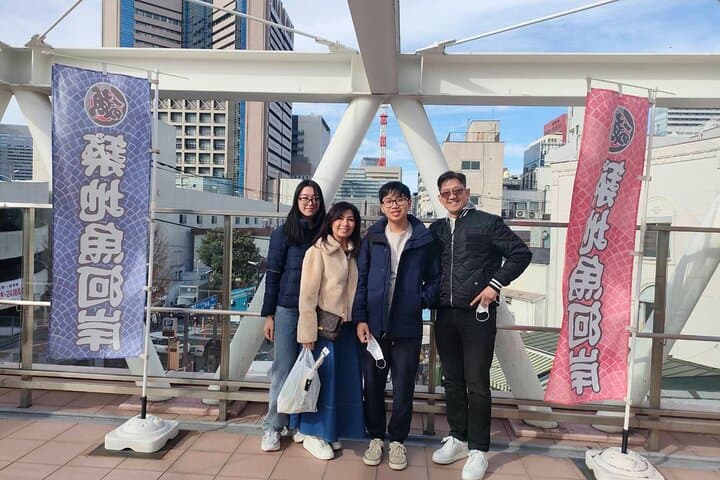
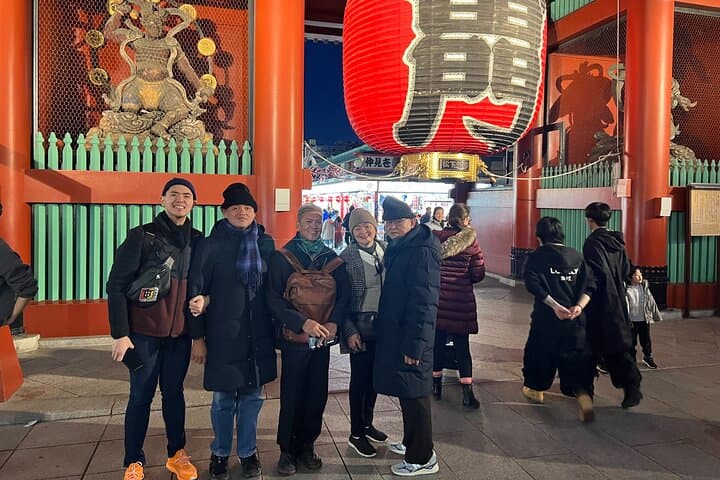
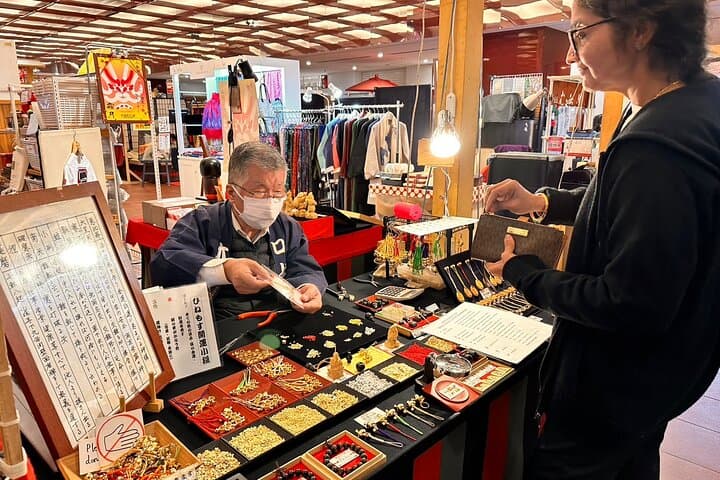
You step from the train into Shibuya’s pulse—neon angles, a river of people parting and reforming—and the city’s scale presses you forward. Over eight days the rhythm shifts: the high-speed thrum of the Shinkansen gives way to the quiet cobbles of Tsumago, and Kyoto’s temple roofs frame a different stillness.
You step from the train into Shibuya’s pulse—neon angles, a river of people parting and reforming—and the city’s scale presses you forward. Over eight days the rhythm shifts: the high-speed thrum of the Shinkansen gives way to the quiet cobbles of Tsumago, and Kyoto’s temple roofs frame a different stillness.
This itinerary threads modern metropolises with Edo-period routes. Ride the bullet train to Nagoya and visit Inuyama Castle, one of Japan’s surviving original keeps; walk sections of the old Nakasendo through Kiso Valley where post towns once served samurai couriers; and spend full days in Kyoto seeing Kiyomizu-dera, Kinkaku-ji, and the torii of Fushimi Inari.
Geologically, you’re traveling a volcanic archipelago—mountain ranges and river valleys shaped by tectonic uplift and frequent seismic activity—so terrain shifts from flat urban streets to narrow mountain passes.
Practical guidance: pack comfortable walking shoes for cobblestones and shrine steps, carry a small daypack with water and a rain jacket, and expect organized transfers and most breakfasts included. The tour covers a lot of ground—plan for early starts and some standalone free time in Tokyo to rest or shop.
Cultural note: respect shrine etiquette (bow, cleanse hands) and keep noise low on trains. Many sites are busiest mid-morning, so early arrival rewards quieter moments. Hydrate, carry cash for small vendors, and bring a pocket Wi‑Fi or SIM for maps—this blend of planned highlights and local details makes the trip both efficient and quietly revealing.