THE ADVENTURE COLLECTIVE® · Independent discovery and booking for outdoor travel

Witness the Serengeti’s calving season across Seronera and Ndutu on an eight-day photo safari. Expect dawn and dusk game drives, bush flights, and concentrated predator-prey interactions ideal for wildlife photography.
Witness the Serengeti’s calving season across Seronera and Ndutu on an eight-day photo safari. Expect dawn and dusk game drives, bush flights, and concentrated predator-prey interactions ideal for wildlife photography.
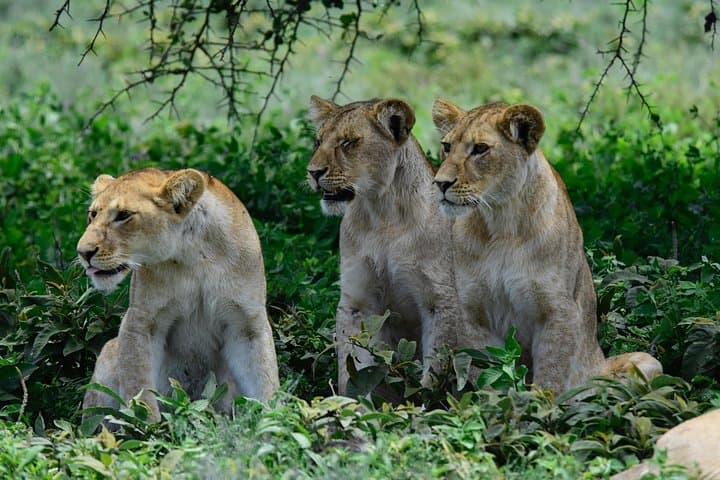
The morning light spills across the grassy plains as your safari vehicle eases over a ridge and a herd of wildebeest becomes a living river. You smell dry dust and tea brewed at camp; distant kopjes silhouette against the sky. On this eight-day photo safari you move between Seronera’s central kopjes and the seasonal marshes of Ndutu, where calving and migration concentrate predators and prey into intense, close-range encounters.
Verified experiences and guided adventures in the surrounding area.
Operated by Africa Nature Photography · Serengeti National Park, Mara & Manyara Regions
The morning light spills across the grassy plains as your safari vehicle eases over a ridge and a herd of wildebeest becomes a living river. You smell dry dust and tea brewed at camp; distant kopjes silhouette against the sky. On this eight-day photo safari you move between Seronera’s central kopjes and the seasonal marshes of Ndutu, where calving and migration concentrate predators and prey into intense, close-range encounters.
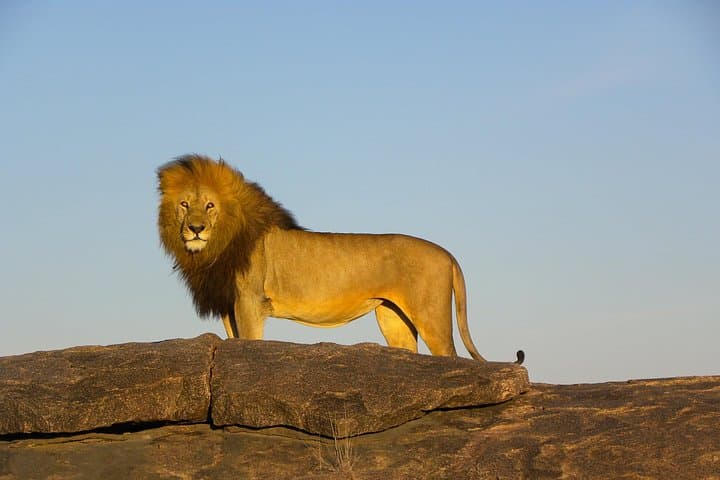
Geology here is simple and honest: ancient granite kopjes break the horizon, river valleys carve green corridors, and seasonal pans fill to create temporary lakes. Culturally, the Serengeti sits within Maasai lands and the Ngorongoro Conservation Area; Maasai grazing patterns and colonial-era conservation decisions have shaped how wildlife moves across this landscape. Expect narration from guides steeped in local knowledge, and camps that balance field comfort with low-impact footprints.
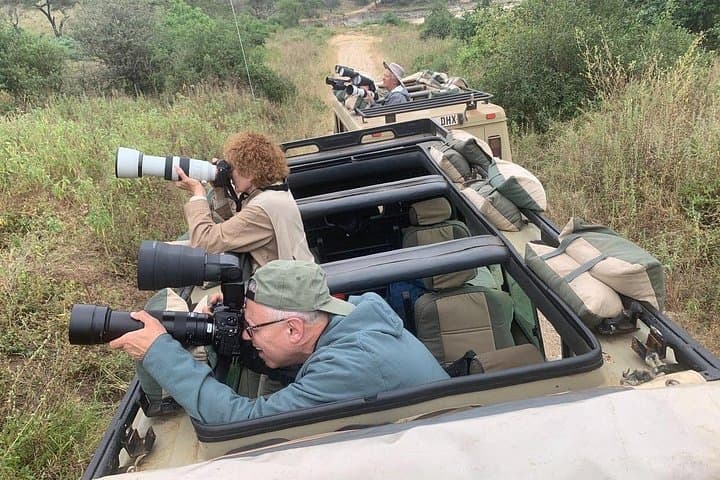
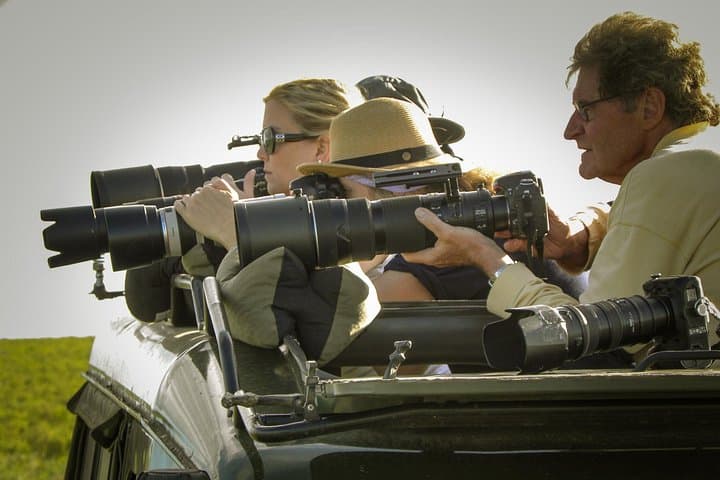
Practically, game drives are timed for dawn and dusk when predators are most active; drives can run several hours and involve uneven tracks. Pack binoculars and a telephoto lens, keep skin and eyes protected from sun and dust, and be ready for early starts. Bush flights link Arusha to Seronera and Ndutu—light baggage limits apply. Photography tips: shoot in bursts for action, use low-angle shots from vehicle bays, and be patient—great moments often arrive after long waits.
This trip blends spectacle and logistics: long drives, scattered camps, and breath-stopping wildlife. Prepare for moving terrain, variable weather, and the slow, relentless rhythm of the migration.
easy.
8 days.
Suitable for most fitness levels; participants should be comfortable entering and exiting safari vehicles and tolerating long periods seated with occasional short walks.
Calving in the southern Serengeti and Ndutu typically peaks between December and March; exact timing varies by year with rain patterns.
Bush flights between Arusha, Seronera and Ndutu are usually included; expect strict weight limits (often around 15–20 kg) and soft-sided bags are recommended.
Travelers should check Tanzania entry requirements and recommended vaccinations (e.g., yellow fever, routine immunizations); consult a travel clinic well before departure.
The itinerary notes it is private and suitable for various fitness levels, but long game drives and uneven terrain make it less ideal for very young children or travelers with significant mobility restrictions.
The Serengeti name derives from the Maasai phrase meaning 'endless plains'; colonial-era conservation established park boundaries that influence today's migration routes.
Conservation here balances tourism revenue with habitat protection; stick to vehicle corridors and follow guide instructions to minimize disturbance.
Africa Nature Photography operates guided outdoor trips and adventures with an emphasis on safety, stewardship, and memorable experiences.
The morning light spills across the grassy plains as your safari vehicle eases over a ridge and a herd of wildebeest becomes a living river. You smell dry dust and tea brewed at camp; distant kopjes silhouette against the sky. On this eight-day photo safari you move between Seronera’s central kopjes and the seasonal marshes of Ndutu, where calving and migration concentrate predators and prey into intense, close-range encounters.
The morning light spills across the grassy plains as your safari vehicle eases over a ridge and a herd of wildebeest becomes a living river. You smell dry dust and tea brewed at camp; distant kopjes silhouette against the sky. On this eight-day photo safari you move between Seronera’s central kopjes and the seasonal marshes of Ndutu, where calving and migration concentrate predators and prey into intense, close-range encounters.
Geology here is simple and honest: ancient granite kopjes break the horizon, river valleys carve green corridors, and seasonal pans fill to create temporary lakes. Culturally, the Serengeti sits within Maasai lands and the Ngorongoro Conservation Area; Maasai grazing patterns and colonial-era conservation decisions have shaped how wildlife moves across this landscape. Expect narration from guides steeped in local knowledge, and camps that balance field comfort with low-impact footprints.
Practically, game drives are timed for dawn and dusk when predators are most active; drives can run several hours and involve uneven tracks. Pack binoculars and a telephoto lens, keep skin and eyes protected from sun and dust, and be ready for early starts. Bush flights link Arusha to Seronera and Ndutu—light baggage limits apply. Photography tips: shoot in bursts for action, use low-angle shots from vehicle bays, and be patient—great moments often arrive after long waits.
This trip blends spectacle and logistics: long drives, scattered camps, and breath-stopping wildlife. Prepare for moving terrain, variable weather, and the slow, relentless rhythm of the migration.