THE ADVENTURE COLLECTIVE® · Independent discovery and booking for outdoor travel

Travel from Marrakech across the High Atlas to the dunes of Erg Chebbi, spend a night under desert stars, then loop back along UNESCO kasbahs and the Atlantic coast to Essaouira. This eight-day circuit blends geology, Berber culture and coastal contrast.
Travel from Marrakech across the High Atlas to the dunes of Erg Chebbi, spend a night under desert stars, then loop back along UNESCO kasbahs and the Atlantic coast to Essaouira. This eight-day circuit blends geology, Berber culture and coastal contrast.
You step out of Marrakech into light that sharpens every ridge—High Atlas peaks lean over the road as the van climbs Tizi n’Tichka (2,260 m) and the air shifts from city spice to mountain pine.
Verified experiences and guided adventures in the surrounding area.
Operated by Direct Morocco Heart · Marrakech, Marrakech-Safi
You step out of Marrakech into light that sharpens every ridge—High Atlas peaks lean over the road as the van climbs Tizi n’Tichka (2,260 m) and the air shifts from city spice to mountain pine.
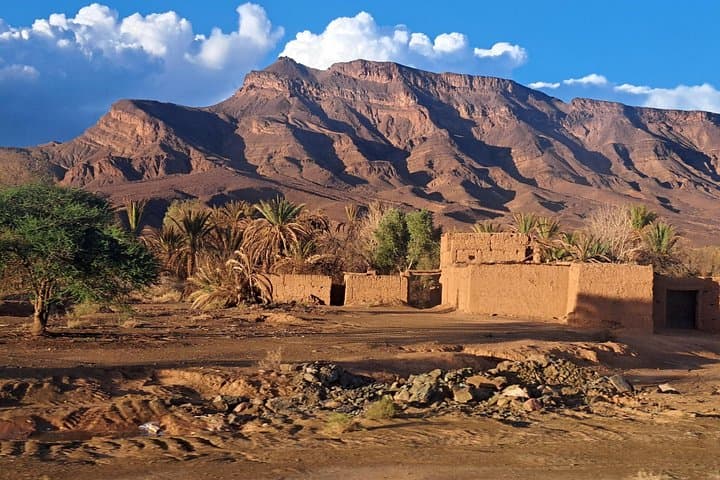
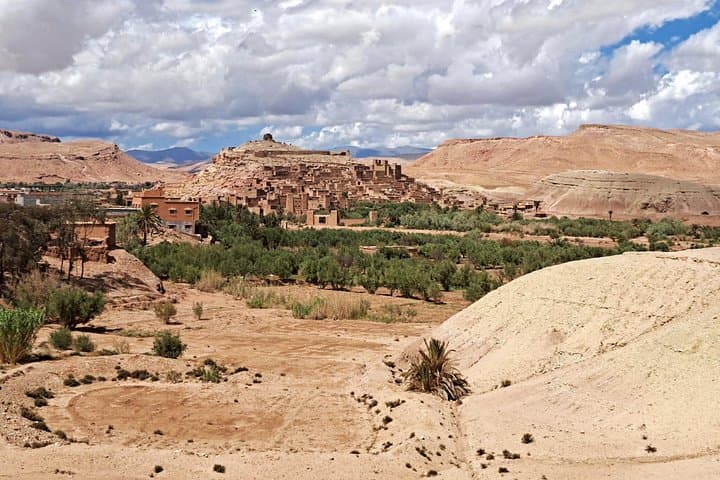
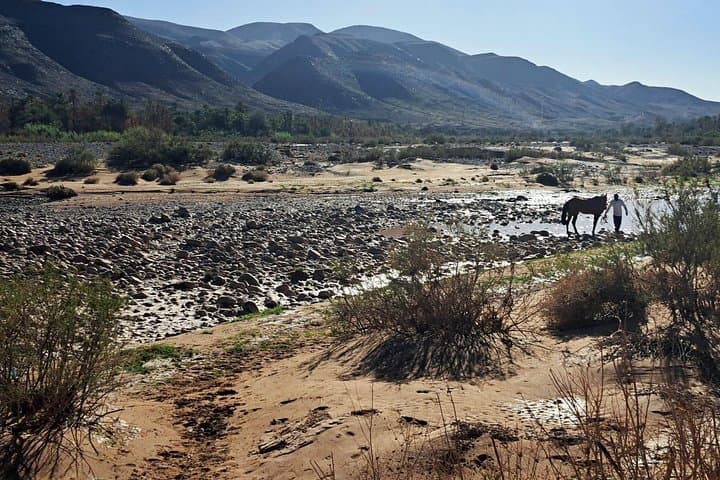
Over eight days the route threads river-cut canyons, rose-scented valleys and the ribbed silhouettes of Erg Chebbi. Geology here reads as layers of time: folded schist in the Atlas, deep alluvial fans feeding wadis, and the wind-sculpted quartz sand of the Sahara where dunes rise 100–150 m and shift by season. Human history is visible in mud-brick kasbahs and the fortified village of Ait Ben Haddou—a UNESCO site where red-earth architecture mapped caravan routes and film crews alike.
Culture is immediate: Berber hospitality, mint tea rituals, Gnawa musicians in Merzouga and women’s cooperatives pressing argan oil outside Essaouira. The Atlantic brings a contrasting cold, windy edge at Essaouira—good for watching kitesurfers and gulls.
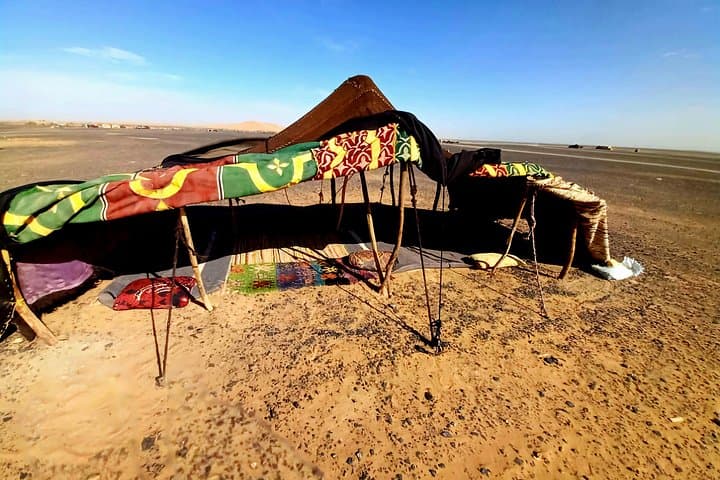
Practical guidance: expect several long drives (typically 4–8 hours on transfer days), short guided walks through oases and canyon rims, a 1–2 hour camel ride at sunset, and one overnight in a luxury desert tent. Temperatures vary dramatically—cool in the highlands, hot and dry in the dunes—so layer and plan photography for dawn or dusk when the light and wind cooperate. Hydration, sun protection and comfortable footwear make the trip: the landscape invites movement but rewards preparation.
moderate.
8 days.
Suitable for travelers in reasonable health; most activity is low-impact but involves several transfers, short hikes and a camel ride.
Yes—this private tour is described as easy and suitable for most fitness levels, but long drives and desert conditions may be tiring; discuss mobility needs with the operator before booking.
Typical inclusions are private transportation, accommodations (riads, hotels, and a luxury tent in the desert), most breakfasts and dinners, a camel ride and some guided activities—confirm specifics with the provider.
Visa requirements depend on nationality; most travelers to Morocco do not require special vaccinations beyond routine ones, but check current government guidance before travel.
Camel rides usually allow only a small daypack; larger luggage is transported by vehicle—pack an overnight kit for the desert night.
The route traces historic trans-Saharan and caravan corridors; kasbahs like Ait Ben Haddou grew where trade, defense and water converged.
Water is scarce across the region—choose operators who minimize waste, support local cooperatives and avoid off-track driving on fragile dune systems.
Direct Morocco Heart operates guided outdoor trips and adventures with an emphasis on safety, stewardship, and memorable experiences.
You step out of Marrakech into light that sharpens every ridge—High Atlas peaks lean over the road as the van climbs Tizi n’Tichka (2,260 m) and the air shifts from city spice to mountain pine.
You step out of Marrakech into light that sharpens every ridge—High Atlas peaks lean over the road as the van climbs Tizi n’Tichka (2,260 m) and the air shifts from city spice to mountain pine.
Over eight days the route threads river-cut canyons, rose-scented valleys and the ribbed silhouettes of Erg Chebbi. Geology here reads as layers of time: folded schist in the Atlas, deep alluvial fans feeding wadis, and the wind-sculpted quartz sand of the Sahara where dunes rise 100–150 m and shift by season. Human history is visible in mud-brick kasbahs and the fortified village of Ait Ben Haddou—a UNESCO site where red-earth architecture mapped caravan routes and film crews alike.
Culture is immediate: Berber hospitality, mint tea rituals, Gnawa musicians in Merzouga and women’s cooperatives pressing argan oil outside Essaouira. The Atlantic brings a contrasting cold, windy edge at Essaouira—good for watching kitesurfers and gulls.
Practical guidance: expect several long drives (typically 4–8 hours on transfer days), short guided walks through oases and canyon rims, a 1–2 hour camel ride at sunset, and one overnight in a luxury desert tent. Temperatures vary dramatically—cool in the highlands, hot and dry in the dunes—so layer and plan photography for dawn or dusk when the light and wind cooperate. Hydration, sun protection and comfortable footwear make the trip: the landscape invites movement but rewards preparation.