THE ADVENTURE COLLECTIVE® · Independent discovery and booking for outdoor travel

Drive from Dar es Salaam into the southern parks of Tanzania over eight days, pairing classic game drives in Mikumi and Ruaha with river safaris in Nyerere (Selous) and a guided visit to the Isimila Stone Age site. Early mornings and long transfers reward you with close wildlife encounters and striking landscapes.
Drive from Dar es Salaam into the southern parks of Tanzania over eight days, pairing classic game drives in Mikumi and Ruaha with river safaris in Nyerere (Selous) and a guided visit to the Isimila Stone Age site. Early mornings and long transfers reward you with close wildlife encounters and striking landscapes.
The sun lowers behind a line of flat-topped acacia as your 4x4 eases onto a dusty track — the engine’s muted thrum the only sound before dawn expands the savannah. Over eight days this circuit links three of southern Tanzania’s great wild places: the sweeping floodplains of Mikumi, the raw, predator-rich interior of Ruaha, and the river-carved channels of Nyerere (Selous), with a geological detour to the red-rock canyons of Isimila.
Verified experiences and guided adventures in the surrounding area.
Operated by African Pangolin Safaris · Mikumi, Morogoro
The sun lowers behind a line of flat-topped acacia as your 4x4 eases onto a dusty track — the engine’s muted thrum the only sound before dawn expands the savannah. Over eight days this circuit links three of southern Tanzania’s great wild places: the sweeping floodplains of Mikumi, the raw, predator-rich interior of Ruaha, and the river-carved channels of Nyerere (Selous), with a geological detour to the red-rock canyons of Isimila.
Geology and human history sit close here: Isimila’s gullies expose stone-age tool beds and fossil-rich layers, while the parks rest on ancient drainage systems that dictate animal movements. Cultural threads run through market towns and village stops — coffee and maize farms in Morogoro and Iringa punctuate long drives — and local guides carry deep ecological knowledge and stories of seasonal migrations.
Expect game drives at first and last light, kopje-strewn horizons in Ruaha, hippo-filled pools in Mikumi, and a boat safari on the Great Rufiji where crocodiles slide away as you approach. A walking safari with an armed ranger tightens the sensory dial: prints, dung, and bird song replace the visceral distance of a vehicle.
Practical edge: travel is on unpaved roads with long daily transfers; pack layered clothing for cool mornings and hot afternoons, bring binoculars and insect protection, and schedule early starts for the best sightings. Vaccinations and malaria prevention are recommended. With basic fitness, patience, and respect for park rules you’ll see East African wilderness at close range.
moderate.
8 days.
Moderate fitness—able to tolerate long vehicle transfers, short guided walks, and early mornings.
Yes—consult a travel clinic for recommended vaccinations (e.g., yellow fever evidence may be required) and discuss malaria prophylaxis; carry a copy of your medical info.
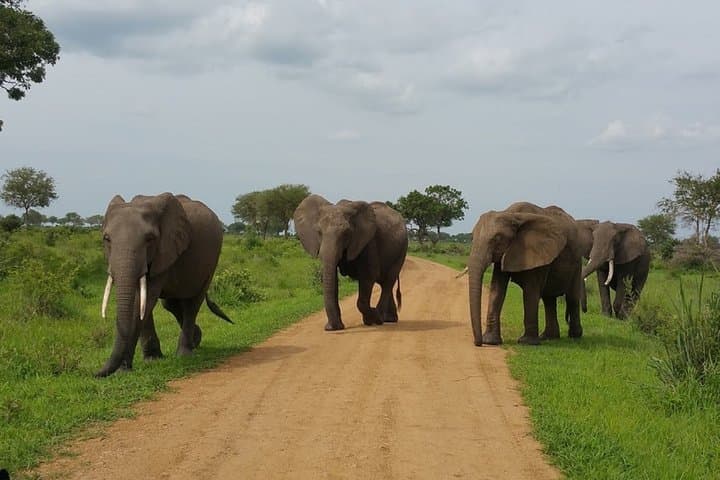
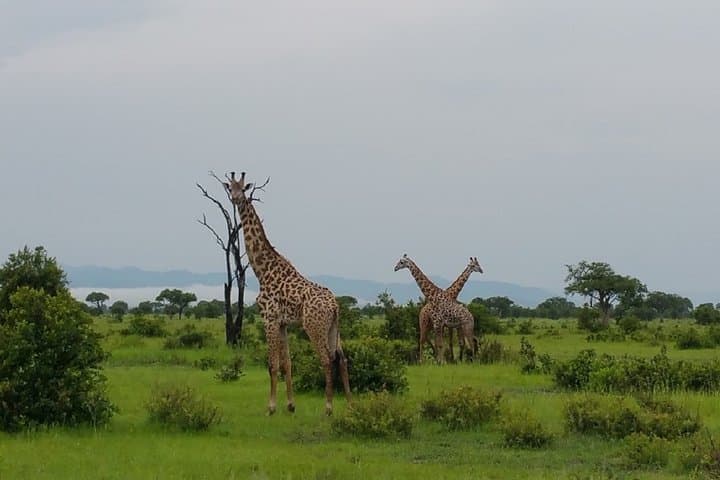
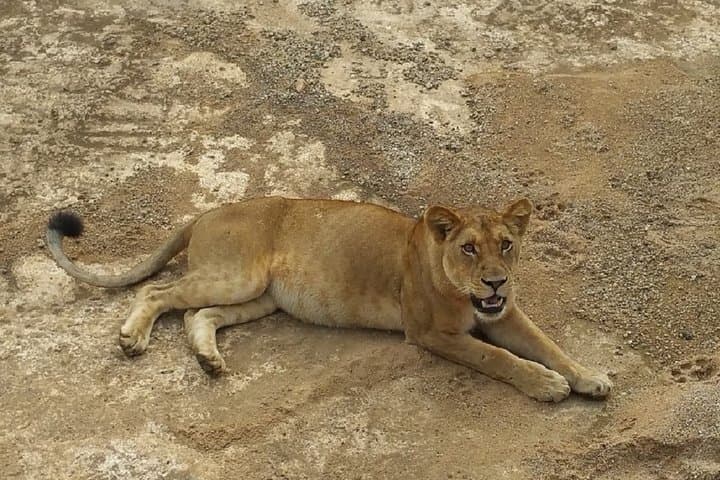
Common sightings include elephants, buffalo, lions, giraffes, hippos, crocodiles and a rich bird list; Ruaha has notable wild dog and large predator concentrations.
Expect long transfers between parks (several hours each day on unpaved roads); the itinerary balances driving days with full-day game drives and a boat safari.
Yes—walking safaris are led by experienced, armed rangers; you remain with the guide and follow strict safety protocols to minimize risk.
Isimila preserves exposed stone-age tool beds and gives insight into human activity tens of thousands of years ago; Selous (Nyerere) was designated a UNESCO World Heritage site for its intact riverine ecosystem.
Nyerere and Ruaha face pressures from poaching and changing river flows; support local guides, respect park rules, and avoid single-use plastics to reduce your footprint.
African Pangolin Safaris operates guided outdoor trips and adventures with an emphasis on safety, stewardship, and memorable experiences.
The sun lowers behind a line of flat-topped acacia as your 4x4 eases onto a dusty track — the engine’s muted thrum the only sound before dawn expands the savannah. Over eight days this circuit links three of southern Tanzania’s great wild places: the sweeping floodplains of Mikumi, the raw, predator-rich interior of Ruaha, and the river-carved channels of Nyerere (Selous), with a geological detour to the red-rock canyons of Isimila.
The sun lowers behind a line of flat-topped acacia as your 4x4 eases onto a dusty track — the engine’s muted thrum the only sound before dawn expands the savannah. Over eight days this circuit links three of southern Tanzania’s great wild places: the sweeping floodplains of Mikumi, the raw, predator-rich interior of Ruaha, and the river-carved channels of Nyerere (Selous), with a geological detour to the red-rock canyons of Isimila.
Geology and human history sit close here: Isimila’s gullies expose stone-age tool beds and fossil-rich layers, while the parks rest on ancient drainage systems that dictate animal movements. Cultural threads run through market towns and village stops — coffee and maize farms in Morogoro and Iringa punctuate long drives — and local guides carry deep ecological knowledge and stories of seasonal migrations.
Expect game drives at first and last light, kopje-strewn horizons in Ruaha, hippo-filled pools in Mikumi, and a boat safari on the Great Rufiji where crocodiles slide away as you approach. A walking safari with an armed ranger tightens the sensory dial: prints, dung, and bird song replace the visceral distance of a vehicle.
Practical edge: travel is on unpaved roads with long daily transfers; pack layered clothing for cool mornings and hot afternoons, bring binoculars and insect protection, and schedule early starts for the best sightings. Vaccinations and malaria prevention are recommended. With basic fitness, patience, and respect for park rules you’ll see East African wilderness at close range.