THE ADVENTURE COLLECTIVE® · Independent discovery and booking for outdoor travel

An eight-day circuit from Cluj-Napoca that mixes UNESCO wooden churches, painted monasteries, medieval citadels and the Turda Salt Mine. Ideal for travelers who want active cultural immersion across the Carpathians.
An eight-day circuit from Cluj-Napoca that mixes UNESCO wooden churches, painted monasteries, medieval citadels and the Turda Salt Mine. Ideal for travelers who want active cultural immersion across the Carpathians.
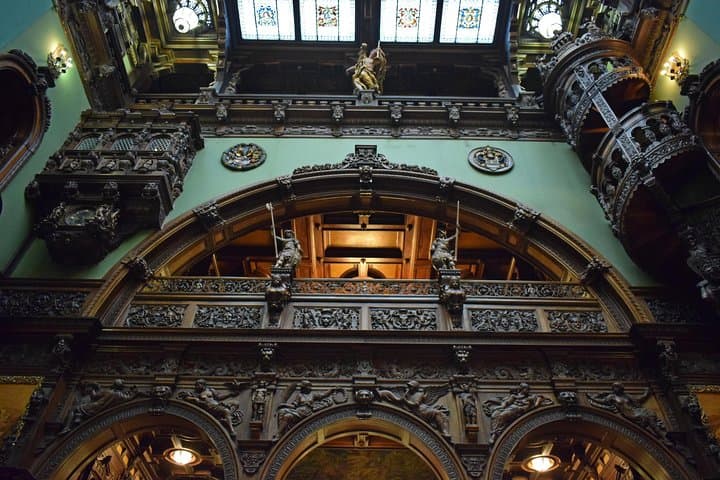
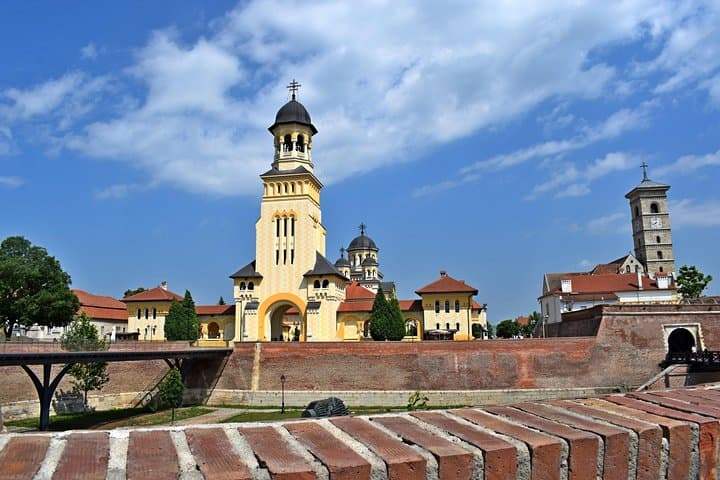
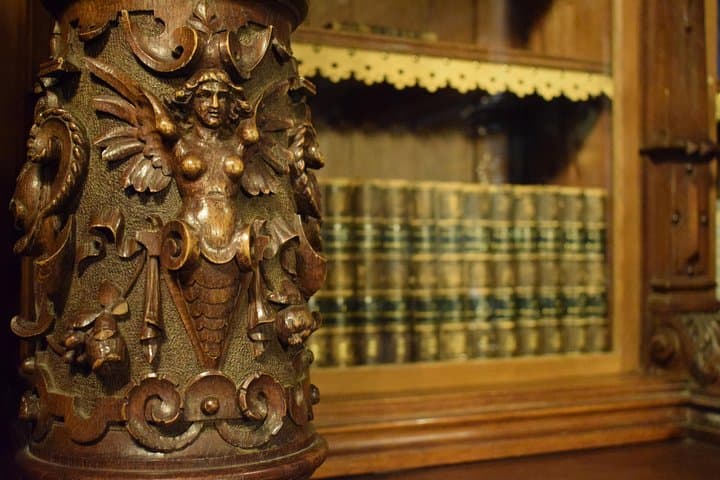
You step off the minibus in a damp Carpathian valley and the air seems to pull the road’s history toward you — fir-scented, mineral, and edged with slate roofs. Over eight days this loop from Cluj-Napoca threads mountain passes, UNESCO wooden churches, and medieval citadels: Maramureș villages, Bucovina’s painted monasteries, Sighișoara’s clock tower, Sinaia’s Peles Castle, Bran’s looming keep, and Turda’s cavernous salt mine.
Verified experiences and guided adventures in the surrounding area.
Operated by Get a Cluj Tour · Cluj-Napoca, Cluj County
You step off the minibus in a damp Carpathian valley and the air seems to pull the road’s history toward you — fir-scented, mineral, and edged with slate roofs. Over eight days this loop from Cluj-Napoca threads mountain passes, UNESCO wooden churches, and medieval citadels: Maramureș villages, Bucovina’s painted monasteries, Sighișoara’s clock tower, Sinaia’s Peles Castle, Bran’s looming keep, and Turda’s cavernous salt mine.
Romania’s story is readable in stone and wood: Dacian and Roman echoes underlay Saxon fortified towns and Orthodox frescoes that survived harsh winters and Ottoman pressure. Geologically, the Carpathians carve dramatic gorges — Bicaz Gorge and Red Lake — where limestone and glacial basins create sudden cliffs and mirror-like water. Culturally, expect hands-on folk craft in Bucovina (egg-decorating) and the vivid gravestones of Sapânța, which tell local lives with blunt humor.
Practical guidance: the tour covers long driving segments (200–300 km on several days) with multiple short hikes or town walks; comfortable walking shoes and layers are essential. Hotels are mostly 3-star with two rural guesthouse nights for a more immersive feel. Carry local currency (RON) for small purchases, keep a light daypack for frescoed churches and salt-mine stairs, and pace water intake at altitude and in underground sites. The itinerary suits travelers who want a cultural-first, active-paced exploration of Transylvania and northern Romania — expect moderate physical demands, rich sensory detail, and lots of roadside viewpoints that dare you to stop for the photograph.
moderate.
8 days.
Moderately fit — able to manage multiple short walks, stairs and several hours in transit each day
Transport is by private vehicle or minibus with included airport pickup and intersite transfers as detailed in the itinerary.
Yes for school-age children, but note long driving days and some sites (salt mine, steep medieval streets) may be strenuous for very young kids.
The tour notes that entry tickets listed in the itinerary are included; check the final voucher for the specific inclusions.
The tour provides a professional English-speaking guide/driver; check availability for other languages before booking.
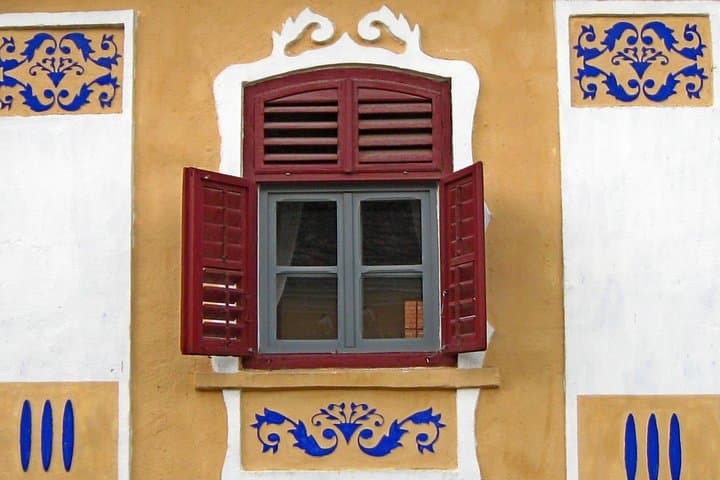
Transylvania and the surrounding regions reflect layered history: Dacian and Roman roots, medieval Saxon and Hungarian defenses, and a strong Orthodox monastic tradition visible in Bucovina’s frescoes.
Many wooden churches and monasteries are protected UNESCO sites; visitors should follow signage and avoid flash photography. Increased tourism has prompted local initiatives to preserve rural village character and manage visitor flow.
Get a Cluj Tour operates guided outdoor trips and adventures with an emphasis on safety, stewardship, and memorable experiences.
You step off the minibus in a damp Carpathian valley and the air seems to pull the road’s history toward you — fir-scented, mineral, and edged with slate roofs. Over eight days this loop from Cluj-Napoca threads mountain passes, UNESCO wooden churches, and medieval citadels: Maramureș villages, Bucovina’s painted monasteries, Sighișoara’s clock tower, Sinaia’s Peles Castle, Bran’s looming keep, and Turda’s cavernous salt mine.
You step off the minibus in a damp Carpathian valley and the air seems to pull the road’s history toward you — fir-scented, mineral, and edged with slate roofs. Over eight days this loop from Cluj-Napoca threads mountain passes, UNESCO wooden churches, and medieval citadels: Maramureș villages, Bucovina’s painted monasteries, Sighișoara’s clock tower, Sinaia’s Peles Castle, Bran’s looming keep, and Turda’s cavernous salt mine.
Romania’s story is readable in stone and wood: Dacian and Roman echoes underlay Saxon fortified towns and Orthodox frescoes that survived harsh winters and Ottoman pressure. Geologically, the Carpathians carve dramatic gorges — Bicaz Gorge and Red Lake — where limestone and glacial basins create sudden cliffs and mirror-like water. Culturally, expect hands-on folk craft in Bucovina (egg-decorating) and the vivid gravestones of Sapânța, which tell local lives with blunt humor.
Practical guidance: the tour covers long driving segments (200–300 km on several days) with multiple short hikes or town walks; comfortable walking shoes and layers are essential. Hotels are mostly 3-star with two rural guesthouse nights for a more immersive feel. Carry local currency (RON) for small purchases, keep a light daypack for frescoed churches and salt-mine stairs, and pace water intake at altitude and in underground sites. The itinerary suits travelers who want a cultural-first, active-paced exploration of Transylvania and northern Romania — expect moderate physical demands, rich sensory detail, and lots of roadside viewpoints that dare you to stop for the photograph.