THE ADVENTURE COLLECTIVE® · Independent discovery and booking for outdoor travel

An eight-day loop through Rajasthan’s central highlights—Udaipur’s lakes, Jodhpur’s fort city, and Jaisalmer’s desert—this guided tour pairs cultural immersion with easy-paced outdoor moments like sunset camel rides and dune sunsets. Read on for what to expect, practical tips, and how to pack for shifting heat and stone.
An eight-day loop through Rajasthan’s central highlights—Udaipur’s lakes, Jodhpur’s fort city, and Jaisalmer’s desert—this guided tour pairs cultural immersion with easy-paced outdoor moments like sunset camel rides and dune sunsets. Read on for what to expect, practical tips, and how to pack for shifting heat and stone.
You step off the air-conditioned car into Udaipur’s late-afternoon light and the city opens like a map of layered stone and water—boat horns carving the surface of Lake Pichola, palace balconies watching the descent of sun.
Verified experiences and guided adventures in the surrounding area.
Operated by Jee Tours · Udaipur, Rajasthan
You step off the air-conditioned car into Udaipur’s late-afternoon light and the city opens like a map of layered stone and water—boat horns carving the surface of Lake Pichola, palace balconies watching the descent of sun.
Across eight days the route moves from Mewar’s lakes and marble to Jodhpur’s blue lanes and Mehrangarh’s ramparts, finally into the honey-gold dust of Jaisalmer and the Sam dunes. The geography shifts quickly: freshwater lakes hemmed by Aravalli foothills give way to low, wind-sculpted dunes and the arid scrub of the Thar Desert. Centuries of Rajput rule, trade along desert caravan routes, and Jain patronage left a dense network of forts, havelis, and carved temples you’ll see up close.
Cultural touchpoints—Bagore Ki Haveli’s evening folk show, the carved Jain halls at Ranakpur, and the living fort of Jaisalmer—are as much about local craftsmanship as they are about history; listen for stoneworkers’ rhythms, and vendors trading in spices and textiles.
Practical notes: temperatures vary sharply—mornings in the desert can be cool, afternoons in Jodhpur and Jaisalmer hot. Expect uneven stone streets, short walks within forts, and a camel-ride at sunset that puts you on dune ridgelines as the sky cools.
Bring layered clothing, a hat, sunscreen, and cash for markets. Pace your days around heat and light: early mornings and late afternoons are when monuments and dunes feel most alive.
easy.
8 days.
Suitable for travelers in general good health who can walk 1–3 miles on uneven surfaces and tolerate heat; minimal sustained exertion.
The itinerary is paced for general travelers: short walks at monuments, some uneven surfaces and a camel ride; no technical fitness required.
Options listed include 3-star hotel stays with breakfast if that option is selected; confirm your booking choice to know what’s included.
Current regulations require an audio guide for Ranakpur Jain Temple; bring headphones or check inclusion when you book.
Yes—most desert camps offer family-friendly Swiss tents and activities like camel rides and cultural performances, but check tent configurations before booking.
Rajasthan’s cities are legacies of Rajput kingdoms and medieval trade routes—Udaipur grew as Mewar’s capital, Jaisalmer as a caravan hub founded in the 12th century, and Jodhpur as a strategic fort city.
Water is a critical resource across Rajasthan; favor local businesses that practice water conservation, avoid littering dunes, and hire registered guides to support sustainable tourism.
Jee Tours operates guided outdoor trips and adventures with an emphasis on safety, stewardship, and memorable experiences.
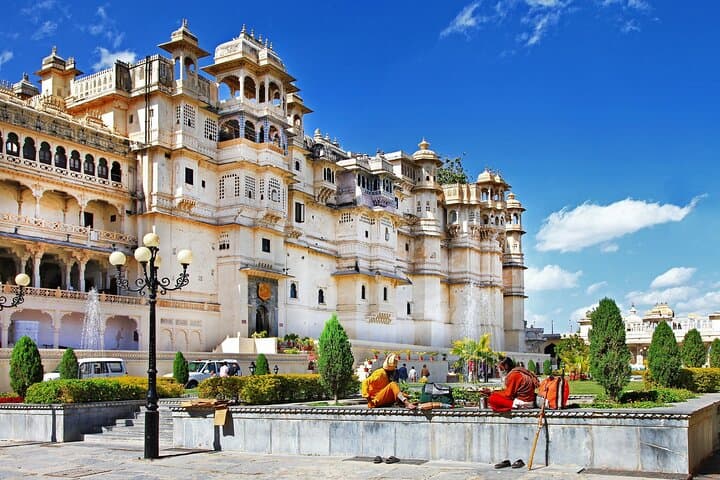

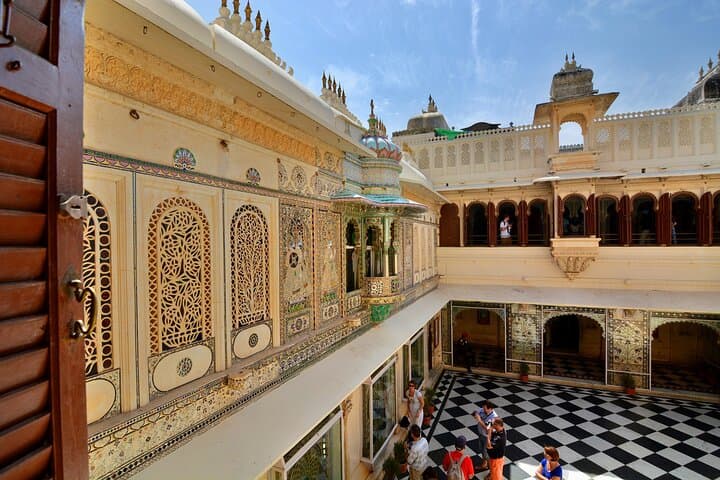
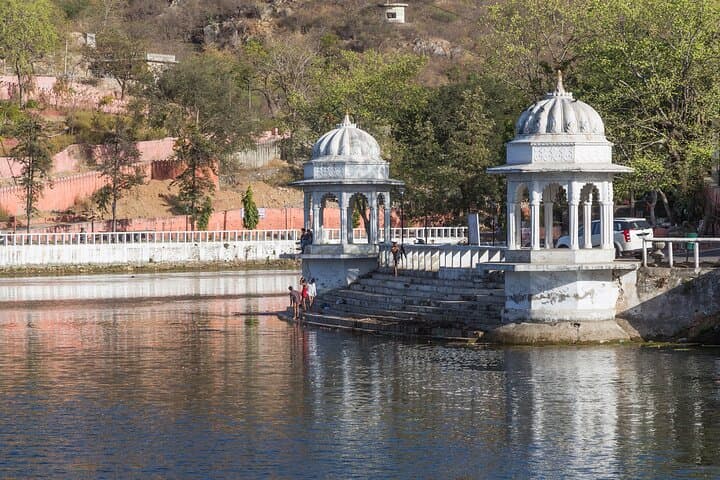
You step off the air-conditioned car into Udaipur’s late-afternoon light and the city opens like a map of layered stone and water—boat horns carving the surface of Lake Pichola, palace balconies watching the descent of sun.
You step off the air-conditioned car into Udaipur’s late-afternoon light and the city opens like a map of layered stone and water—boat horns carving the surface of Lake Pichola, palace balconies watching the descent of sun.
Across eight days the route moves from Mewar’s lakes and marble to Jodhpur’s blue lanes and Mehrangarh’s ramparts, finally into the honey-gold dust of Jaisalmer and the Sam dunes. The geography shifts quickly: freshwater lakes hemmed by Aravalli foothills give way to low, wind-sculpted dunes and the arid scrub of the Thar Desert. Centuries of Rajput rule, trade along desert caravan routes, and Jain patronage left a dense network of forts, havelis, and carved temples you’ll see up close.
Cultural touchpoints—Bagore Ki Haveli’s evening folk show, the carved Jain halls at Ranakpur, and the living fort of Jaisalmer—are as much about local craftsmanship as they are about history; listen for stoneworkers’ rhythms, and vendors trading in spices and textiles.
Practical notes: temperatures vary sharply—mornings in the desert can be cool, afternoons in Jodhpur and Jaisalmer hot. Expect uneven stone streets, short walks within forts, and a camel-ride at sunset that puts you on dune ridgelines as the sky cools.
Bring layered clothing, a hat, sunscreen, and cash for markets. Pace your days around heat and light: early mornings and late afternoons are when monuments and dunes feel most alive.