THE ADVENTURE COLLECTIVE® · Independent discovery and booking for outdoor travel

Board a sleeper train at Giza and follow the Nile through Aswan, Kom Ombo, Edfu and Luxor on this compact eight-day cultural circuit. Ancient temples, river crossings and overnight trains create a focused, character-driven route through Egypt’s pharaonic heart.
Board a sleeper train at Giza and follow the Nile through Aswan, Kom Ombo, Edfu and Luxor on this compact eight-day cultural circuit. Ancient temples, river crossings and overnight trains create a focused, character-driven route through Egypt’s pharaonic heart.
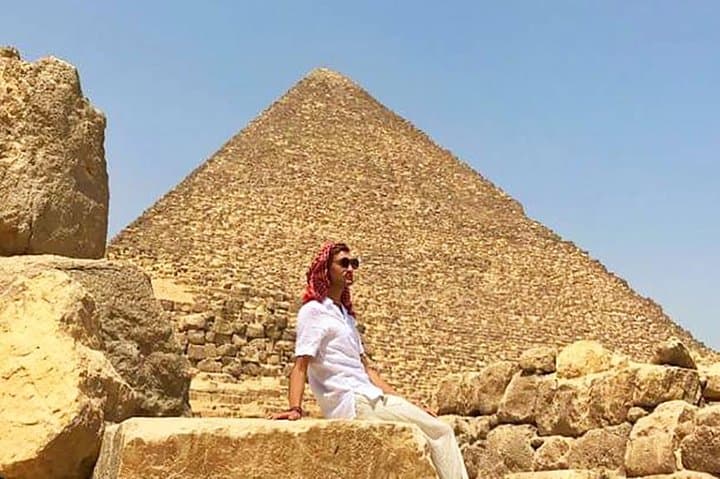
The morning light on the Giza Plateau strips the desert down to its angles: limestone faces glow, sand and stone dare you to measure human ambition. Begin here — at the foot of the Great Pyramid — then move through Cairo’s crowded souks and the hushed aisles of the Egyptian Museum before boarding a sleeper train that carries you south toward the Nile’s slow pull.
Verified experiences and guided adventures in the surrounding area.
Operated by This Is Egypt · Cairo, Cairo Governorate
The morning light on the Giza Plateau strips the desert down to its angles: limestone faces glow, sand and stone dare you to measure human ambition. Begin here — at the foot of the Great Pyramid — then move through Cairo’s crowded souks and the hushed aisles of the Egyptian Museum before boarding a sleeper train that carries you south toward the Nile’s slow pull.
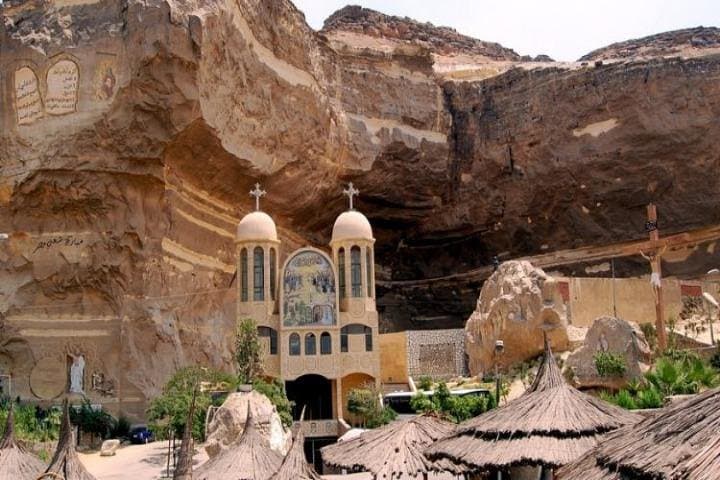
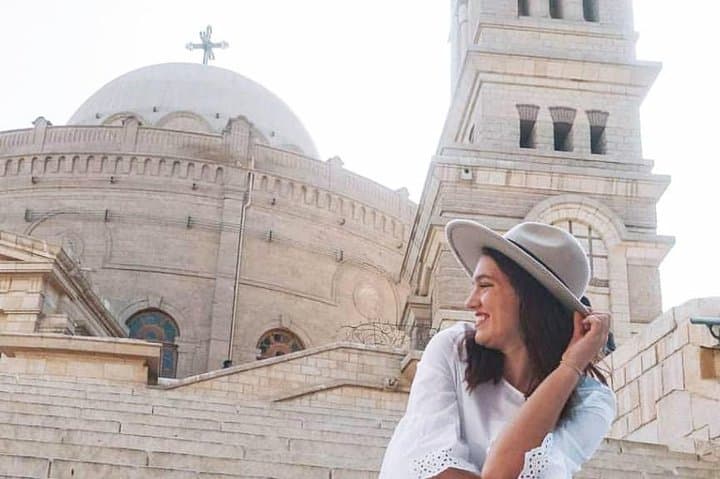
This eight-day loop stitches together Egypt’s Pharaonic high points. Geology is obvious where desert meets river: wind-polished sandstone cliffs flank the Nile, while the river’s annual inundation once deposited the silt that made the valley fertile and a seat of civilization. Culturally, the trip threads Coptic churches, ancient temples to Isis and Horus, and funerary sites where New Kingdom kings carved their afterlives into rock.
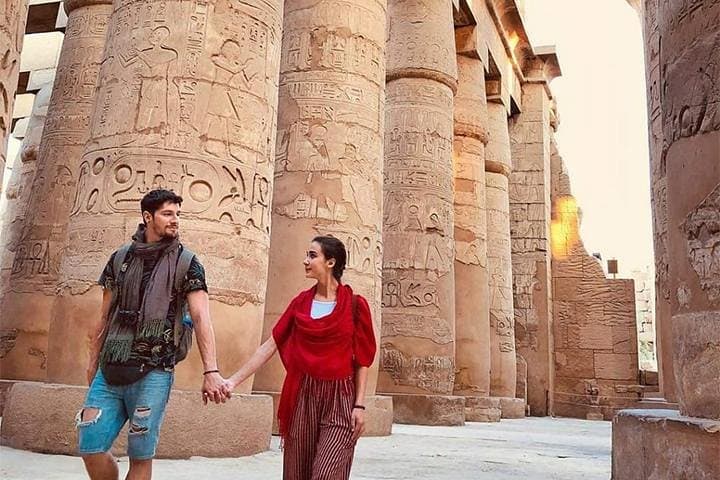
Expect guided walks at the Giza Plateau, Coptic Cairo, Aswan’s High Dam and Philae, Kom Ombo and Edfu temples, then Luxor’s West and East Banks, including the Valley of the Kings and Karnak. Between sites you’ll travel nights on sleeper trains and days aboard a Nile boat—time to rest, read maps and watch palm-lined banks slip past.
Practical notes: bring layered clothing for hot days and cool nights, a hat and sunscreen, and cash for small-site fees and local vendors. Wear comfortable shoes for uneven temple floors and short climbs. Book a private guide if you want deeper historical context, and allow one free day in Cairo at the end for jet-lagged recovery or Sakkara and Memphis. Hydrate, move steadily through the schedule, and let the river set your pace.
easy.
8 days.
Suitable for general fitness; able to walk 1–3 miles in a day on uneven ground and climb short stair sections
Most nationalities require a tourist visa; check Egypt’s e-visa portal and entry rules for your country and arrange in advance if possible.
Sleeper trains offer basic private compartments with beds and shared facilities; Nile cruise boats range from simple to mid-range with cabins, meals and shaded decks—check the operator’s class.
This package includes entrance fees specified in the itinerary, but local guides, porters and cruise staff commonly expect tipping—carry small notes for gratuities.
Yes—the itinerary is paced for general travelers, but young children should be supervised at temple edges and on boats; consult the operator about cabin arrangements.
This route follows Egypt’s pharaonic spine: royal mortuary complexes, temple cult centers and later Coptic and Islamic layers that transformed Cairo into a continuous urban history.
Tourists should avoid touching ancient reliefs, use refillable water bottles where possible, and support local guides and small businesses to ensure tourism benefits communities.
This Is Egypt operates guided outdoor trips and adventures with an emphasis on safety, stewardship, and memorable experiences.
The morning light on the Giza Plateau strips the desert down to its angles: limestone faces glow, sand and stone dare you to measure human ambition. Begin here — at the foot of the Great Pyramid — then move through Cairo’s crowded souks and the hushed aisles of the Egyptian Museum before boarding a sleeper train that carries you south toward the Nile’s slow pull.
The morning light on the Giza Plateau strips the desert down to its angles: limestone faces glow, sand and stone dare you to measure human ambition. Begin here — at the foot of the Great Pyramid — then move through Cairo’s crowded souks and the hushed aisles of the Egyptian Museum before boarding a sleeper train that carries you south toward the Nile’s slow pull.
This eight-day loop stitches together Egypt’s Pharaonic high points. Geology is obvious where desert meets river: wind-polished sandstone cliffs flank the Nile, while the river’s annual inundation once deposited the silt that made the valley fertile and a seat of civilization. Culturally, the trip threads Coptic churches, ancient temples to Isis and Horus, and funerary sites where New Kingdom kings carved their afterlives into rock.
Expect guided walks at the Giza Plateau, Coptic Cairo, Aswan’s High Dam and Philae, Kom Ombo and Edfu temples, then Luxor’s West and East Banks, including the Valley of the Kings and Karnak. Between sites you’ll travel nights on sleeper trains and days aboard a Nile boat—time to rest, read maps and watch palm-lined banks slip past.
Practical notes: bring layered clothing for hot days and cool nights, a hat and sunscreen, and cash for small-site fees and local vendors. Wear comfortable shoes for uneven temple floors and short climbs. Book a private guide if you want deeper historical context, and allow one free day in Cairo at the end for jet-lagged recovery or Sakkara and Memphis. Hydrate, move steadily through the schedule, and let the river set your pace.