THE ADVENTURE COLLECTIVE® · Independent discovery and booking for outdoor travel

An eight-day circuit from Cairo’s pyramids to Luxor and Aswan combines sleeper-train travel with a relaxed Nile cruise. Walk temple colonnades, ride a felucca shore, and sleep on the train between legendary sites.
An eight-day circuit from Cairo’s pyramids to Luxor and Aswan combines sleeper-train travel with a relaxed Nile cruise. Walk temple colonnades, ride a felucca shore, and sleep on the train between legendary sites.
You step out into dry Cairo air and the Giza Plateau spreads like a lesson in scale — the Great Pyramid’s flanks catching the morning light while vendors arrange their wares nearby. By night the sleeper train hums away from the city, and the Nile opens a slow corridor of palm-lined water and temple silhouettes that dare you to slow down and look closer.
Verified experiences and guided adventures in the surrounding area.
Operated by Sun Pyramids Tours · Cairo, Cairo Governorate
You step out into dry Cairo air and the Giza Plateau spreads like a lesson in scale — the Great Pyramid’s flanks catching the morning light while vendors arrange their wares nearby. By night the sleeper train hums away from the city, and the Nile opens a slow corridor of palm-lined water and temple silhouettes that dare you to slow down and look closer.
This itinerary threads Egypt’s deep past with practical travel: Giza’s Old Kingdom monuments and the limestone quarries that produced them, Luxor’s New Kingdom necropolis on the West Bank and towering Karnak complex on the East, and Aswan’s colonial-era High Dam alongside Philae’s island temple. Geology and riverine ecology are obvious here — the Nile’s annual silt and human engineering both shaped these sites — and local culture remains centered on markets, river life and Nubian influences in the south.
Expect guided walks across uneven stone, short boat transfers, and museum stops; the sleeper train provides overnight transit while the Nile cruise offers relaxed days between temple visits. Practicalities matter: carry a refillable water bottle, sun protection, and comfortable walking shoes with grip for temple ramps and sandy approaches. Plan longer, unhurried time at Valley of the Kings to absorb the tombs rather than rush them.
Respect photography rules, follow your guide’s timing for heat-sensitive visits, and keep a light scarf for temple shoulders and sudden wind. This trip balances active exploration with paced river travel — it’s as much about moving through history as it is seeing it.
moderate.
8 days.
Light to moderate fitness — able to walk several hours on uneven stone and climb short temple ramps.
Many nationalities can obtain a visa on arrival or e-visa before travel; check the Egyptian government website for current requirements and prepare passport copies.
Modern Egyptian sleeper trains provide private compartments, bedding and onboard service; keep valuables secured and follow your guide’s safety advice.
Photography rules vary: many temples allow photos without flash, while some tomb chambers prohibit photography to protect pigments—follow signage and guide instructions.
Tipping (baksheesh) is customary for guides, drivers and boat crews; small, consistent tips are appreciated and often expected.
This route spans Egypt’s Old and New Kingdom highlights; the Nile corridor has linked agriculture, transport and temple construction for millennia.
Visitor numbers and boat traffic affect fragile tomb pigments and shoreline habitats; follow no-flash rules, avoid touching reliefs, and use local waste disposal options.
Sun Pyramids Tours operates guided outdoor trips and adventures with an emphasis on safety, stewardship, and memorable experiences.

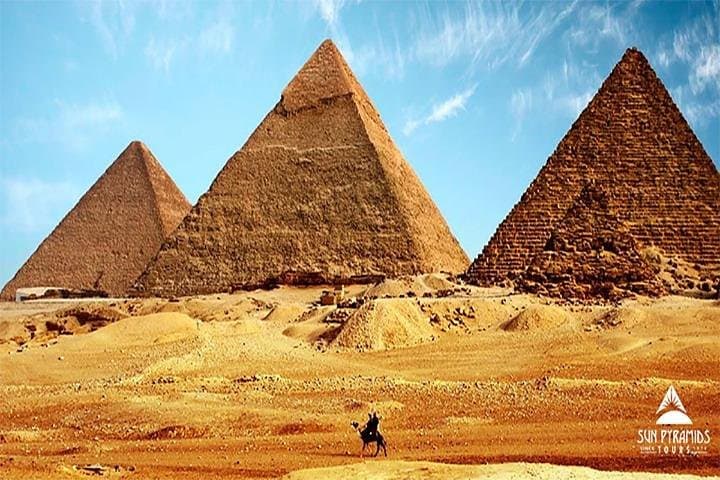
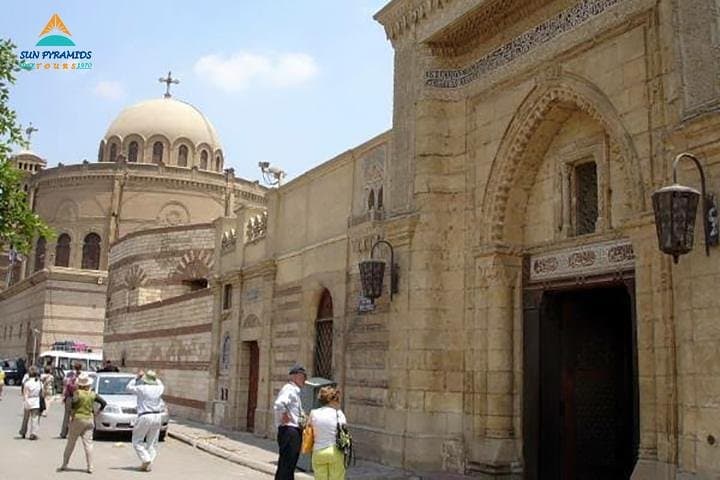
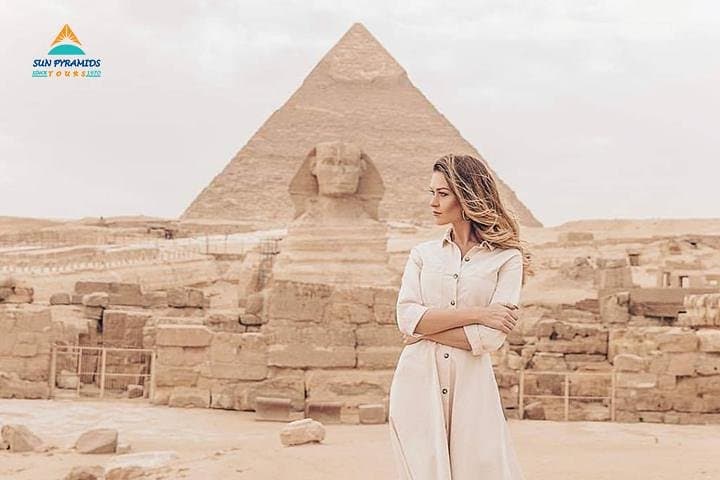
You step out into dry Cairo air and the Giza Plateau spreads like a lesson in scale — the Great Pyramid’s flanks catching the morning light while vendors arrange their wares nearby. By night the sleeper train hums away from the city, and the Nile opens a slow corridor of palm-lined water and temple silhouettes that dare you to slow down and look closer.
You step out into dry Cairo air and the Giza Plateau spreads like a lesson in scale — the Great Pyramid’s flanks catching the morning light while vendors arrange their wares nearby. By night the sleeper train hums away from the city, and the Nile opens a slow corridor of palm-lined water and temple silhouettes that dare you to slow down and look closer.
This itinerary threads Egypt’s deep past with practical travel: Giza’s Old Kingdom monuments and the limestone quarries that produced them, Luxor’s New Kingdom necropolis on the West Bank and towering Karnak complex on the East, and Aswan’s colonial-era High Dam alongside Philae’s island temple. Geology and riverine ecology are obvious here — the Nile’s annual silt and human engineering both shaped these sites — and local culture remains centered on markets, river life and Nubian influences in the south.
Expect guided walks across uneven stone, short boat transfers, and museum stops; the sleeper train provides overnight transit while the Nile cruise offers relaxed days between temple visits. Practicalities matter: carry a refillable water bottle, sun protection, and comfortable walking shoes with grip for temple ramps and sandy approaches. Plan longer, unhurried time at Valley of the Kings to absorb the tombs rather than rush them.
Respect photography rules, follow your guide’s timing for heat-sensitive visits, and keep a light scarf for temple shoulders and sudden wind. This trip balances active exploration with paced river travel — it’s as much about moving through history as it is seeing it.