THE ADVENTURE COLLECTIVE® · Independent discovery and booking for outdoor travel

Fly between Cairo, Luxor and Aswan on an eight-day circuit that pairs the Giza plateau with Luxor’s tombs and a Nile cruise to Philae. This itinerary compresses Egypt’s headline monuments into a workable, low-exertion exploration.
Fly between Cairo, Luxor and Aswan on an eight-day circuit that pairs the Giza plateau with Luxor’s tombs and a Nile cruise to Philae. This itinerary compresses Egypt’s headline monuments into a workable, low-exertion exploration.
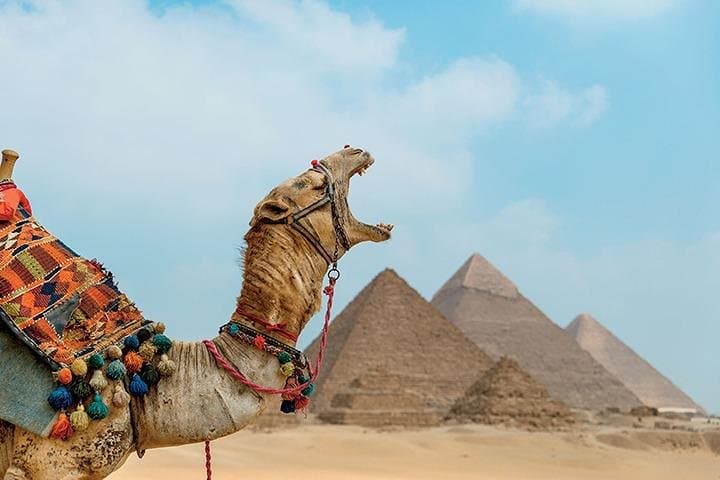
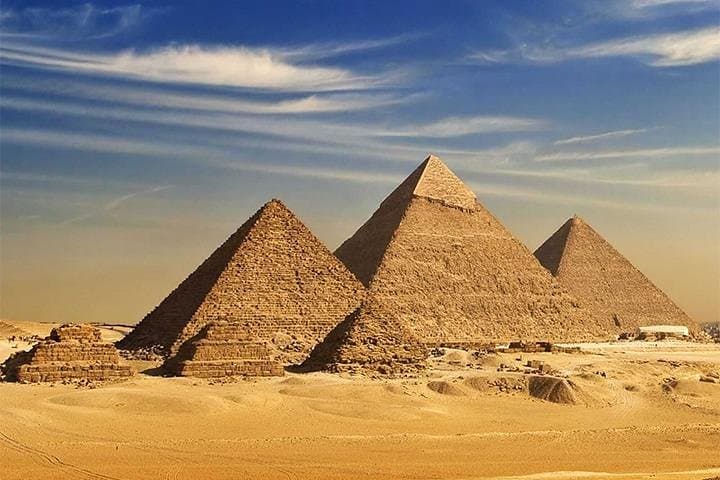
The morning light rides the desert like a slow wave as you arrive at Giza: wind-polished limestone glows, and the Great Pyramid watches traffic and tourists with the same mute authority it has for millennia.
Verified experiences and guided adventures in the surrounding area.
Operated by This is Egypt Tours · Cairo, Cairo
The morning light rides the desert like a slow wave as you arrive at Giza: wind-polished limestone glows, and the Great Pyramid watches traffic and tourists with the same mute authority it has for millennia.
This eight-day itinerary stitches Cairo’s urban pulse to the Nile’s patient corridor — a flight to Luxor, a Nile cruise past Ptolemaic temples, and slow mornings in Aswan. Geologically the route follows the Nile’s irrigated alluvial ribbon, where river silt meets the rising desert plateau and ancient builders quarried the stone that still wears pharaonic chisel marks.
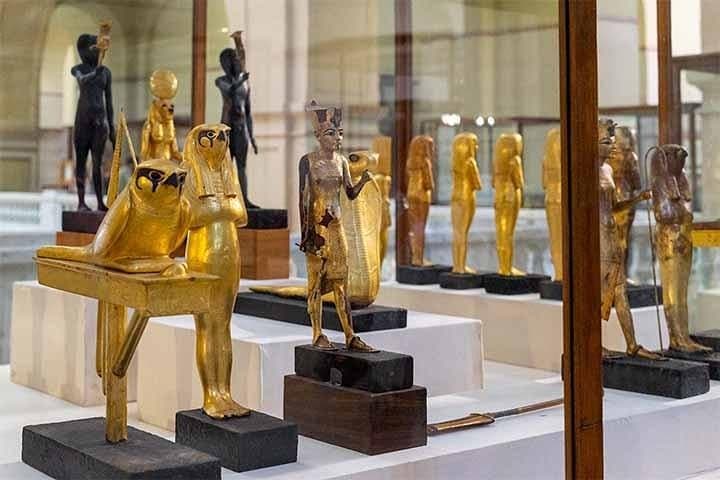
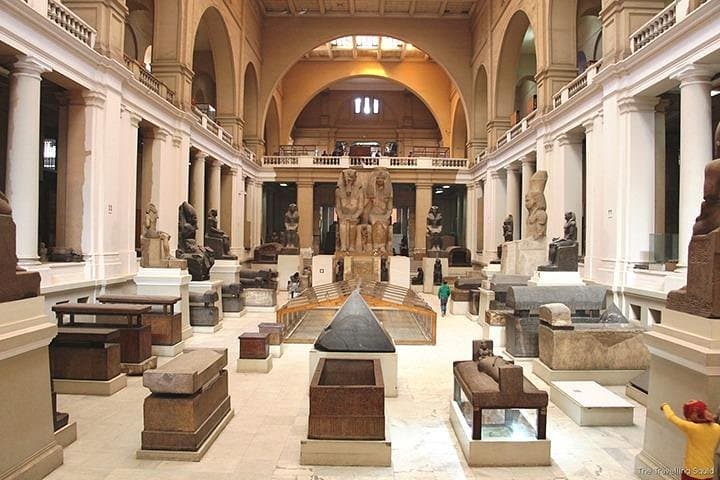
Culturally, the trip moves through layers: Coptic alleys and Ottoman-era citadels in Cairo, New Kingdom mortuary temples on Luxor’s West Bank, and the unique dual dedication at Kom Ombo. Expect guided stops at the Giza pyramids and Sphinx, the Egyptian Museum or its re-opened displays, Karnak and Luxor Temples, Valley of the Kings, Hatshepsut’s mortuary temple, Edfu’s Horus shrine, Kom Ombo’s crocodile reliefs, and Philae’s island sanctuary.
Practical rhythm: plan early starts to avoid heat and crowds, wear closed shoes for uneven stone and tomb steps, carry a water bottle and photocopies of travel documents, and keep camera batteries charged — many sites limit touch and tripods. Domestic flights reduce transit time but require on-time check-ins; private transfers simplify city navigation. Travel here is a sequence of short walks and concentrated wonder: an accessible, low-impact way to see Egypt’s core monuments while the Nile keeps time around you.
easy.
8 days.
Suitable for travelers in average fitness; mostly short walks, some stairs and uneven surfaces.
This package lists entrance fees to mentioned sites as included; double-check the specific sites on your booking confirmation.
Most nationalities require a visa; many visitors obtain an e‑visa before travel or a visa on arrival — verify current rules for your country.
Yes — the itinerary includes overnight stays on the Nile cruise between Luxor and Aswan as described in the daily schedule.
The tour is suitable for all fitness levels: expect short guided walks, some tomb staircases, and mostly seated transfers and short domestic flights.
The route traces millennia of Nile-centered civilization: pharaonic tombs and temples built from local limestone and sandstone, reused by later Egyptian and Greco-Roman rulers.
Sites are sensitive to foot traffic and humidity; follow guide instructions, avoid touching carvings, and minimize plastic waste to help preserve monuments.
This is Egypt Tours operates guided outdoor trips and adventures with an emphasis on safety, stewardship, and memorable experiences.
The morning light rides the desert like a slow wave as you arrive at Giza: wind-polished limestone glows, and the Great Pyramid watches traffic and tourists with the same mute authority it has for millennia.
The morning light rides the desert like a slow wave as you arrive at Giza: wind-polished limestone glows, and the Great Pyramid watches traffic and tourists with the same mute authority it has for millennia.
This eight-day itinerary stitches Cairo’s urban pulse to the Nile’s patient corridor — a flight to Luxor, a Nile cruise past Ptolemaic temples, and slow mornings in Aswan. Geologically the route follows the Nile’s irrigated alluvial ribbon, where river silt meets the rising desert plateau and ancient builders quarried the stone that still wears pharaonic chisel marks.
Culturally, the trip moves through layers: Coptic alleys and Ottoman-era citadels in Cairo, New Kingdom mortuary temples on Luxor’s West Bank, and the unique dual dedication at Kom Ombo. Expect guided stops at the Giza pyramids and Sphinx, the Egyptian Museum or its re-opened displays, Karnak and Luxor Temples, Valley of the Kings, Hatshepsut’s mortuary temple, Edfu’s Horus shrine, Kom Ombo’s crocodile reliefs, and Philae’s island sanctuary.
Practical rhythm: plan early starts to avoid heat and crowds, wear closed shoes for uneven stone and tomb steps, carry a water bottle and photocopies of travel documents, and keep camera batteries charged — many sites limit touch and tripods. Domestic flights reduce transit time but require on-time check-ins; private transfers simplify city navigation. Travel here is a sequence of short walks and concentrated wonder: an accessible, low-impact way to see Egypt’s core monuments while the Nile keeps time around you.