THE ADVENTURE COLLECTIVE® · Independent discovery and booking for outdoor travel

Follow the Li River’s bends and climb the Dragon’s Backbone terraces on an 8-day private tour from Yangshuo to Kaili. Expect karst peaks, bamboo rafts, ancient caves and living minority villages over a mix of short hikes and scenic drives.
Follow the Li River’s bends and climb the Dragon’s Backbone terraces on an 8-day private tour from Yangshuo to Kaili. Expect karst peaks, bamboo rafts, ancient caves and living minority villages over a mix of short hikes and scenic drives.
A damp morning light lifts off the Li River as your private car pulls away from Yangshuo; limestone peaks push up like fingers through the mist and the river dares you to follow its bend. Over eight days you cross southern China’s changing skin — karst towers and bamboo-raft waters, stepped rice fields clinging to hillsides, and timber stilt villages whose drum towers mark daily life.
Verified experiences and guided adventures in the surrounding area.
Operated by happychinatours · Yangshuo, Guangxi
A damp morning light lifts off the Li River as your private car pulls away from Yangshuo; limestone peaks push up like fingers through the mist and the river dares you to follow its bend. Over eight days you cross southern China’s changing skin — karst towers and bamboo-raft waters, stepped rice fields clinging to hillsides, and timber stilt villages whose drum towers mark daily life.
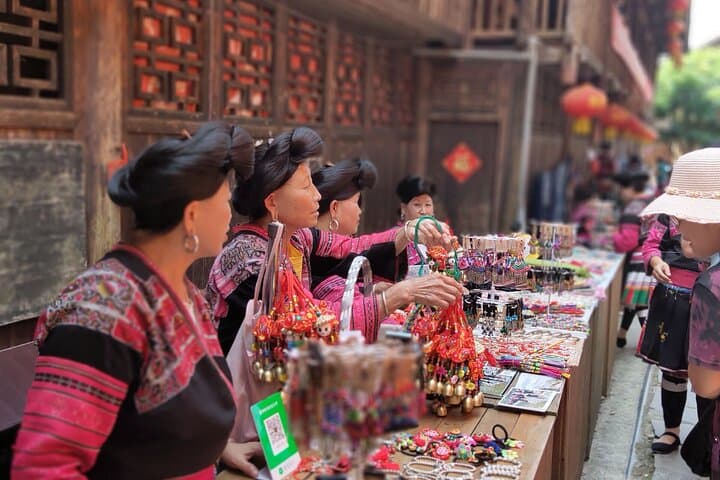
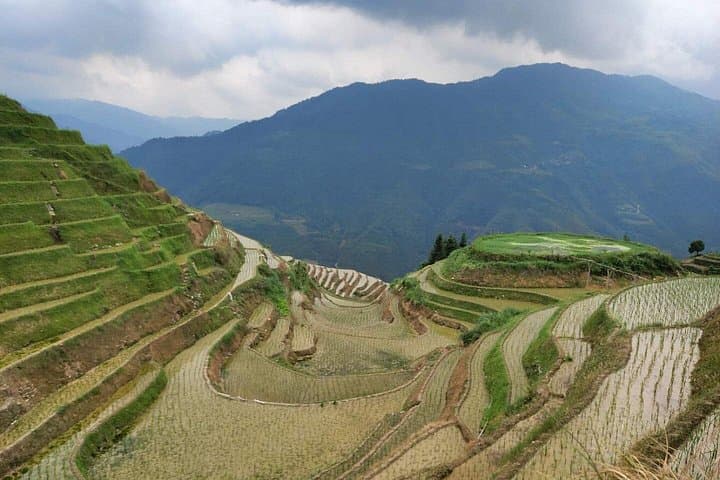
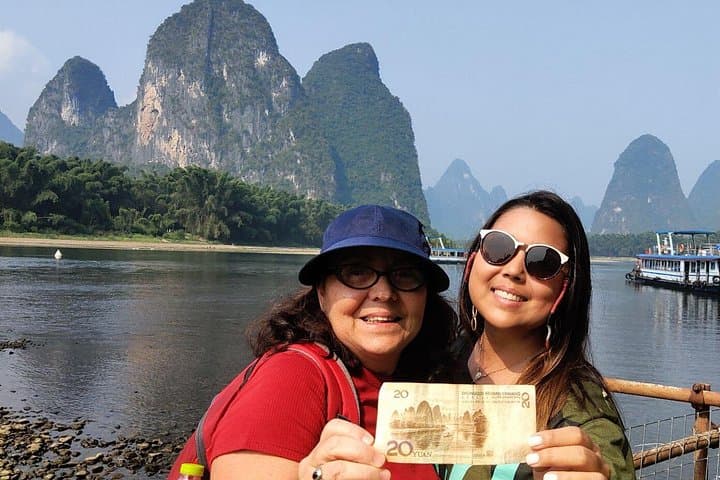
Geology here is obvious: Guilin’s limestone karst was carved over hundreds of millions of years, giving rise to sheer cliffs, caves such as Reed Flute and river bends memorialized on banknotes. The Longji or Dragon’s Backbone terraces are living engineering—centuries of Zhuang and Yao cultivation cut into slope and season. In Guizhou the Dong and Miao peoples keep architectural and musical traditions visible in wind-and-rain bridges, drum towers and brocade workshops.
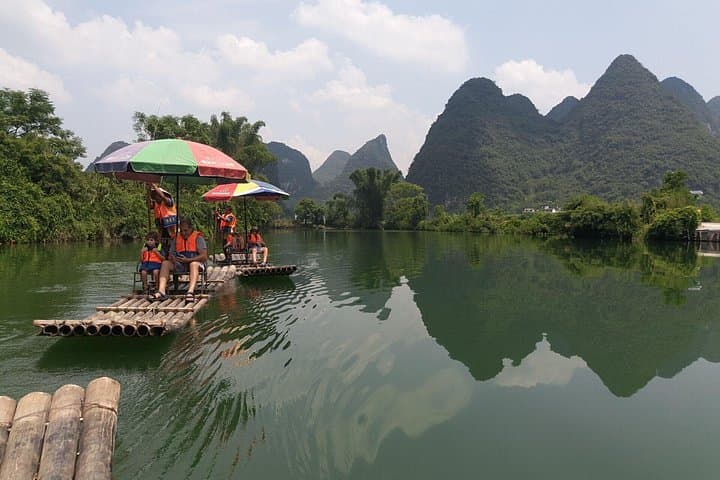
Expect a mix of short hikes (stone steps to Ping’an viewing platforms), gentle river travel (bamboo and motorized rafts on Yulong and Li Rivers), and village walks where language and customs change from valley to valley. Culture is intimate: you’ll see stilt houses, local paper-making, and, if timing aligns, market days and folk songs.
Practical guidance: plan for variable weather — quick showers and strong sun — bring layered clothing and a daypack, and allow extra time for narrow village roads. Fitness is moderate: stair climbs and uneven paths but no technical gear required. Carry cash for small village purchases, respect local customs (ask before photographing people), and keep plastic out of streams. This route is immersive, deliberate travel: move slowly and the landscape gives up its best views.
moderate.
8 days.
Suitable for travelers with moderate fitness; includes uphill stair climbs and long vehicle transfers
Most days involve short to moderate walks (15–60 minutes) to viewpoints, village streets or terraced platforms; no technical hiking is required but expect stairs and uneven ground.
Many villages are still lived-in communities; popular spots like Ping'an and Zhaoxing receive visitors, but smaller hamlets such as Tang'an and Langde retain traditional daily life.
The tour can suit families, but some attractions restrict very young children on rafts and older travelers with severe mobility limits should consider the stair climbs; inform the operator of needs.
International visitors need a valid China visa; no special permits are required for these public scenic sites, but carry ID and check local entrance fees.
The Dragon’s Backbone terraces reflect 600+ years of Zhuang and Yao agricultural engineering; Dong and Miao architectural forms date back centuries and emphasize communal life around drum towers and bridges.
Travelers should use designated paths, avoid littering streams, and support local businesses to ensure tourism benefits village economies and reduces environmental pressure.
happychinatours operates guided outdoor trips and adventures with an emphasis on safety, stewardship, and memorable experiences.
A damp morning light lifts off the Li River as your private car pulls away from Yangshuo; limestone peaks push up like fingers through the mist and the river dares you to follow its bend. Over eight days you cross southern China’s changing skin — karst towers and bamboo-raft waters, stepped rice fields clinging to hillsides, and timber stilt villages whose drum towers mark daily life.
A damp morning light lifts off the Li River as your private car pulls away from Yangshuo; limestone peaks push up like fingers through the mist and the river dares you to follow its bend. Over eight days you cross southern China’s changing skin — karst towers and bamboo-raft waters, stepped rice fields clinging to hillsides, and timber stilt villages whose drum towers mark daily life.
Geology here is obvious: Guilin’s limestone karst was carved over hundreds of millions of years, giving rise to sheer cliffs, caves such as Reed Flute and river bends memorialized on banknotes. The Longji or Dragon’s Backbone terraces are living engineering—centuries of Zhuang and Yao cultivation cut into slope and season. In Guizhou the Dong and Miao peoples keep architectural and musical traditions visible in wind-and-rain bridges, drum towers and brocade workshops.
Expect a mix of short hikes (stone steps to Ping’an viewing platforms), gentle river travel (bamboo and motorized rafts on Yulong and Li Rivers), and village walks where language and customs change from valley to valley. Culture is intimate: you’ll see stilt houses, local paper-making, and, if timing aligns, market days and folk songs.
Practical guidance: plan for variable weather — quick showers and strong sun — bring layered clothing and a daypack, and allow extra time for narrow village roads. Fitness is moderate: stair climbs and uneven paths but no technical gear required. Carry cash for small village purchases, respect local customs (ask before photographing people), and keep plastic out of streams. This route is immersive, deliberate travel: move slowly and the landscape gives up its best views.