THE ADVENTURE COLLECTIVE® · Independent discovery and booking for outdoor travel

From Istanbul’s Bosphorus skyline to Cappadocia’s balloon‑dotted dawn and the chalk terraces of Pamukkale, this private eight‑day loop delivers Turkey’s highlights with local guides and private transport. Expect guided walks through Byzantine palaces, Roman ruins and volcanic landscapes with practical pacing and comfortable hotels.
From Istanbul’s Bosphorus skyline to Cappadocia’s balloon‑dotted dawn and the chalk terraces of Pamukkale, this private eight‑day loop delivers Turkey’s highlights with local guides and private transport. Expect guided walks through Byzantine palaces, Roman ruins and volcanic landscapes with practical pacing and comfortable hotels.
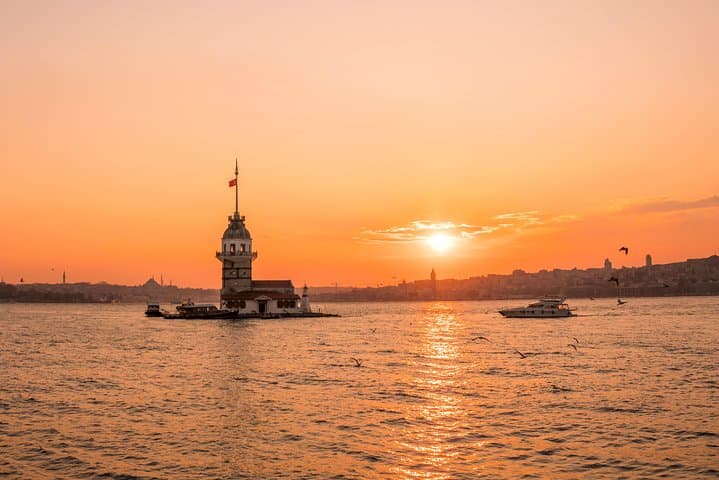
The first morning in Istanbul feels like stepping into a travelogue: ferry horns cut through a cool Bosphorus breeze, seagulls wheel above coffee steam, and the skyline—minarets and glass towers—spreads like a city in motion. On this eight‑day private tour, travelers swap that metropolitan hum for lunar‑landscape quiet in Cappadocia, limestone white of Pamukkale, and the marble columns of ancient Ephesus, all threaded together by comfortable drives, local guides, and a private vehicle.
Verified experiences and guided adventures in the surrounding area.
Operated by Sunnova Travel Agency · Istanbul, Istanbul
The first morning in Istanbul feels like stepping into a travelogue: ferry horns cut through a cool Bosphorus breeze, seagulls wheel above coffee steam, and the skyline—minarets and glass towers—spreads like a city in motion. On this eight‑day private tour, travelers swap that metropolitan hum for lunar‑landscape quiet in Cappadocia, limestone white of Pamukkale, and the marble columns of ancient Ephesus, all threaded together by comfortable drives, local guides, and a private vehicle.
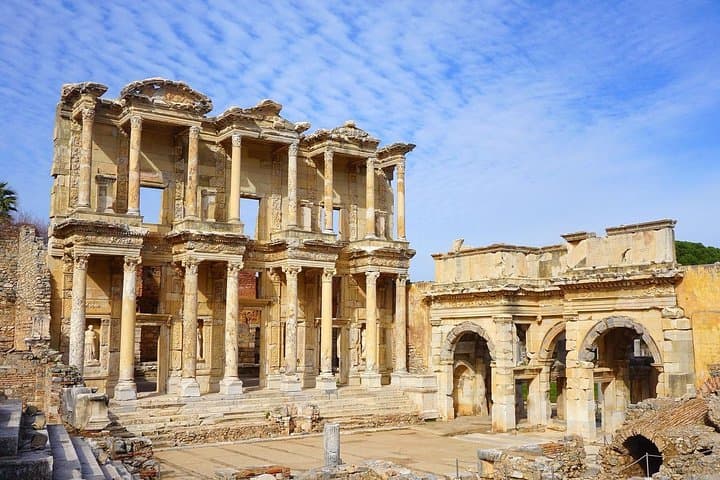
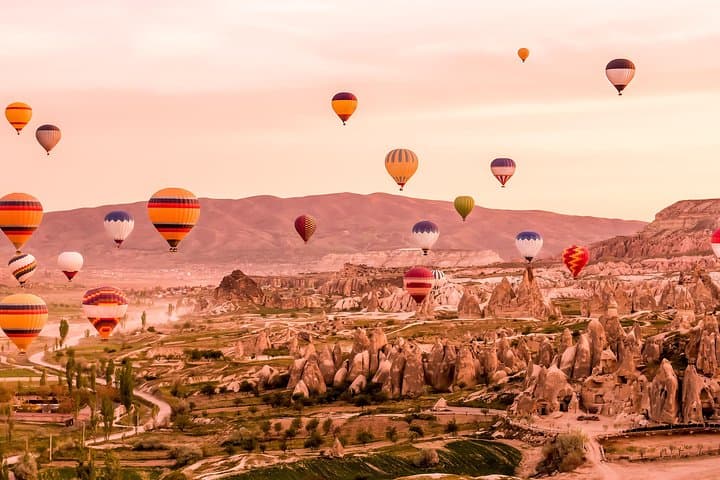
History is never far from view. Istanbul’s churches and palaces mark Byzantine and Ottoman chapters; Ephesus preserves Roman civic life in a hill of stones and colonnades; Cappadocia records volcanic upheaval—tuff softened by wind and water into hoodoos that locals once carved into homes and churches. Geology explains the show: millennia of ash and lava compacted into soft rock, then hardened and eroded into the valleys and terraces that define central and western Turkey.
Culture here is tactile. Markets grind cumin and sumac; little bakeries slide pide from wood ovens; guides point out how carpets map family stories and how tea rituals pace conversation. The Bosphorus acts like a spine, ferrying not only commuters but centuries of trade and culinary exchange between continents. In quieter corners—an overlooked Ottoman caravanserai, a hilltop viewpoint at sunset—locals still practice rhythms that travelers can witness without disturbing.
Practical guidance matters on a trip this broad. Days are paced around short drives (typically 1–3 hours between stops) and walking tours across uneven surfaces—stone streets in Ephesus, terraces in Pamukkale, and the rocky slopes around Göreme. Expect early mornings for the best light and to watch balloons lift off over Cappadocia; heat and sun are factors in summer, while winter brings brisk winds and the possibility of snow in inland highlands.
Prepare with sturdy walking shoes, a sun hat, and a layered system for temperature swings between coast and plateau. Carry a refillable water bottle and a small first‑aid kit; local guides handle logistics and timing but keep important documents and visas in a safe travel pouch. If a hot‑air balloon ride is a must, book it early—the company can add it but availability fills fast.
This itinerary is ideal for travelers who want a curated sweep of Turkey’s highlights without the rush of DIY planning: a private vehicle, local insight at archaeological sites, and mornings that move from Ottoman domes to Roman theaters and the sculpted rock of central Anatolia. It’s a route that combines sensory rewards—tea, domes, views—with clear, manageable logistics.
moderate.
8 days.
Moderate fitness: able to walk on uneven ground and climb short stairways; not strenuous but involves multiple days of sightseeing.
Yes—pickup from Istanbul Airport (IST) or Sabiha Gökçen (SAW) is offered and times are coordinated with your arrival.
This is a private tour with a maximum of 10 travelers in the provided vehicle.
Most admissions listed in the itinerary are included; breakfast is provided daily as noted—confirm specifics at booking.
Yes—balloon flights can be arranged but require advance booking and are subject to weather and extra cost.
Many nationalities require an e‑visa—check Turkish government visa rules before travel and have electronic copies ready.
The tour involves historic sites with uneven surfaces and staircases; it’s not ideal for travelers with limited mobility—contact the operator for accommodations.
The route stitches together Byzantine, Roman and Ottoman sites—Ephesus was a major Roman port and Istanbul served as capital for two empires.
Many sites like Pamukkale are ecologically fragile; follow signage, avoid trampling terraces and support local guides who fund conservation fees.
Sunnova Travel Agency operates guided outdoor trips and adventures with an emphasis on safety, stewardship, and memorable experiences.
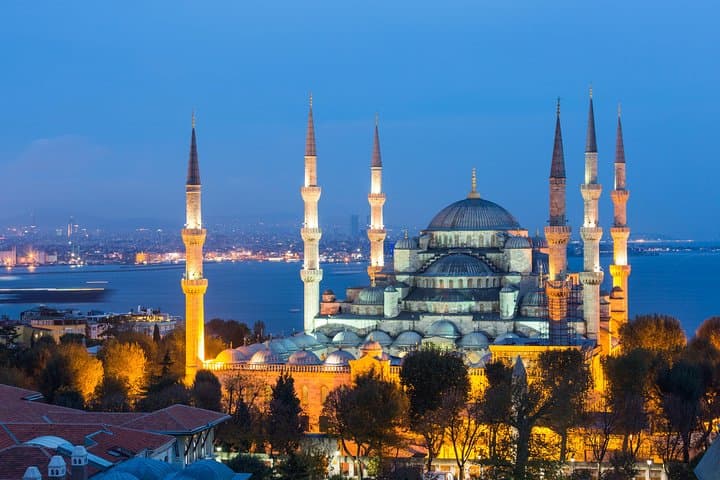
The first morning in Istanbul feels like stepping into a travelogue: ferry horns cut through a cool Bosphorus breeze, seagulls wheel above coffee steam, and the skyline—minarets and glass towers—spreads like a city in motion. On this eight‑day private tour, travelers swap that metropolitan hum for lunar‑landscape quiet in Cappadocia, limestone white of Pamukkale, and the marble columns of ancient Ephesus, all threaded together by comfortable drives, local guides, and a private vehicle.
The first morning in Istanbul feels like stepping into a travelogue: ferry horns cut through a cool Bosphorus breeze, seagulls wheel above coffee steam, and the skyline—minarets and glass towers—spreads like a city in motion. On this eight‑day private tour, travelers swap that metropolitan hum for lunar‑landscape quiet in Cappadocia, limestone white of Pamukkale, and the marble columns of ancient Ephesus, all threaded together by comfortable drives, local guides, and a private vehicle.
History is never far from view. Istanbul’s churches and palaces mark Byzantine and Ottoman chapters; Ephesus preserves Roman civic life in a hill of stones and colonnades; Cappadocia records volcanic upheaval—tuff softened by wind and water into hoodoos that locals once carved into homes and churches. Geology explains the show: millennia of ash and lava compacted into soft rock, then hardened and eroded into the valleys and terraces that define central and western Turkey.
Culture here is tactile. Markets grind cumin and sumac; little bakeries slide pide from wood ovens; guides point out how carpets map family stories and how tea rituals pace conversation. The Bosphorus acts like a spine, ferrying not only commuters but centuries of trade and culinary exchange between continents. In quieter corners—an overlooked Ottoman caravanserai, a hilltop viewpoint at sunset—locals still practice rhythms that travelers can witness without disturbing.
Practical guidance matters on a trip this broad. Days are paced around short drives (typically 1–3 hours between stops) and walking tours across uneven surfaces—stone streets in Ephesus, terraces in Pamukkale, and the rocky slopes around Göreme. Expect early mornings for the best light and to watch balloons lift off over Cappadocia; heat and sun are factors in summer, while winter brings brisk winds and the possibility of snow in inland highlands.
Prepare with sturdy walking shoes, a sun hat, and a layered system for temperature swings between coast and plateau. Carry a refillable water bottle and a small first‑aid kit; local guides handle logistics and timing but keep important documents and visas in a safe travel pouch. If a hot‑air balloon ride is a must, book it early—the company can add it but availability fills fast.
This itinerary is ideal for travelers who want a curated sweep of Turkey’s highlights without the rush of DIY planning: a private vehicle, local insight at archaeological sites, and mornings that move from Ottoman domes to Roman theaters and the sculpted rock of central Anatolia. It’s a route that combines sensory rewards—tea, domes, views—with clear, manageable logistics.