THE ADVENTURE COLLECTIVE® · Independent discovery and booking for outdoor travel

Cross the High Atlas and follow kasbah-lined valleys to Erg Chebbi’s towering dunes on an eight-day private journey from Marrakech. Expect long scenic drives, a camel trek at sunset, nights in riads and one under desert stars.
Cross the High Atlas and follow kasbah-lined valleys to Erg Chebbi’s towering dunes on an eight-day private journey from Marrakech. Expect long scenic drives, a camel trek at sunset, nights in riads and one under desert stars.
You leave Marrakech before dawn and the road swallows the city’s heat as the Atlas Mountains rise ahead. The Tizi n’Tichka pass climbs to roughly 2,260 m, the air thins, and Berber villages stitch themselves into stone terraces. Over eight days the trip pushes from red-city alleys to kasbah-lined gorges and, finally, into the orange seas of Erg Chebbi, where dunes stand like ships frozen on the sand.
Verified experiences and guided adventures in the surrounding area.
Operated by Morocco Tours Services · Marrakech, Marrakesh-Safi
You leave Marrakech before dawn and the road swallows the city’s heat as the Atlas Mountains rise ahead. The Tizi n’Tichka pass climbs to roughly 2,260 m, the air thins, and Berber villages stitch themselves into stone terraces. Over eight days the trip pushes from red-city alleys to kasbah-lined gorges and, finally, into the orange seas of Erg Chebbi, where dunes stand like ships frozen on the sand.
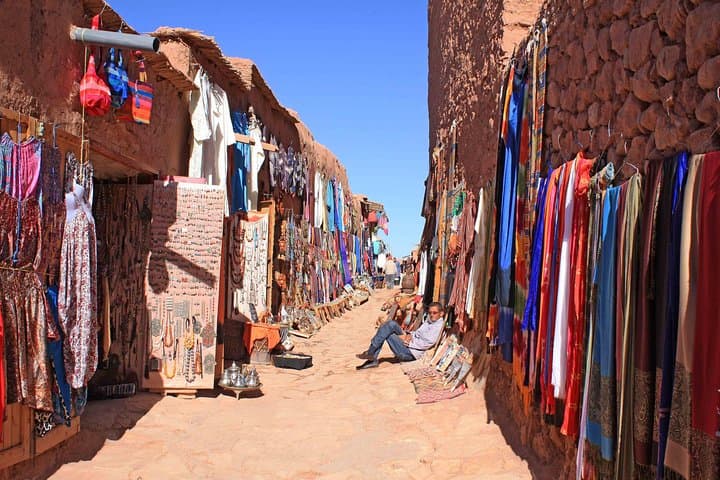
The route threads well-known landmarks: Ait Ben Haddou’s fortified ksar — a UNESCO site that served as a backdrop for films — the film sets and kasbahs around Ouarzazate, the sculpted cliffs of the Dades and Todra gorges, and the palm-lined Draa Valley. Geologically, you’ll move from uplifted crystalline mountains to sedimentary pre‑desert and wind-sorted sand, watching landscapes that were once trade routes to Timbuktu.
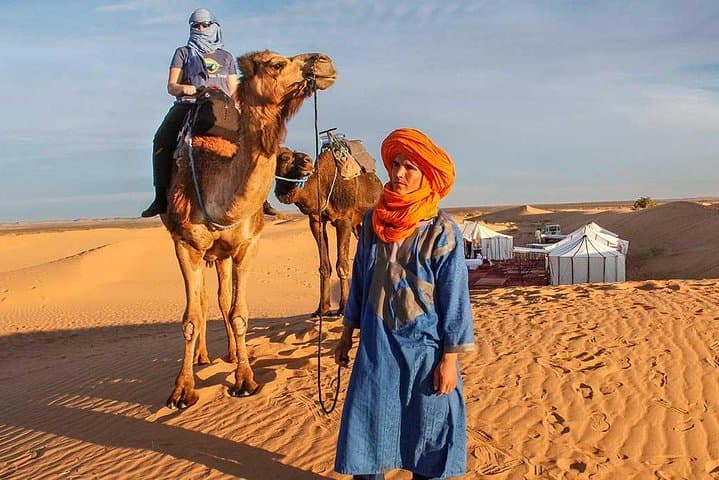
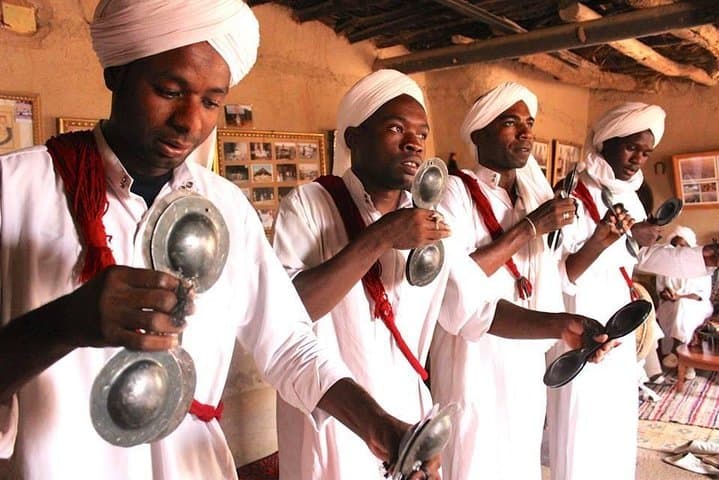
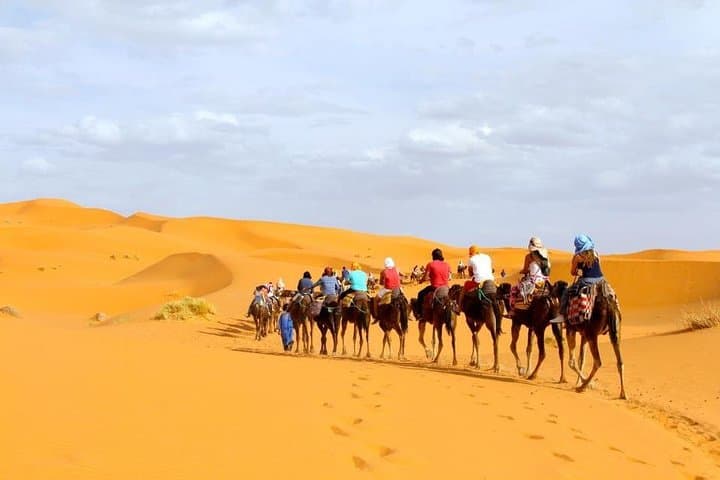
Culturally, expect encounters with local guides and nomadic families; Merzouga’s Gnawa musicians and traditional tea rituals are common features. Logistics are straightforward: private A/C transfers link overnight stays in riads, kasbahs and a desert camp; daily drives commonly range 4–8 hours with photo stops; the camel trek to the camp is about 60–90 minutes each way.
Practical tips: pack layers for hot days and cold nights, at least 2–3 liters of water per day, sun protection and sturdy shoes for walking dunes and gorge floors. Bring cash for small purchases and tipping. If you want sunrise on the dunes, plan to wake well before dawn; road conditions over mountain passes can change with weather, so a flexible itinerary is par for the course.
easy.
8 days.
Suitable for most fitness levels; requires basic mobility for short hikes, dune climbs and a 60–90 minute camel ride.
Daily driving varies but typically ranges from 4 to 8 hours including scheduled stops for photos, visits and meals.
The camel ride to the desert camp is gentle and 60–90 minutes; basic balance and mobility are sufficient—walking on sand afterward can be more tiring.
Overnight stays alternate between comfortable riads/kasbahs with private facilities and a desert camp where tents are basic but provide bedding and dinner.
Visa and vaccination requirements depend on your nationality—check with your government and consult a travel clinic for recommended vaccinations before travel.
This corridor has linked Marrakech to Saharan trade routes for centuries; fortified ksars like Ait Ben Haddou grew wealthy as caravan stops between sub‑Saharan Africa and North Africa.
Stick to established tracks and organized camps to reduce impact; water is scarce—use it sparingly and follow local guidance on waste disposal.
Morocco Tours Services operates guided outdoor trips and adventures with an emphasis on safety, stewardship, and memorable experiences.
You leave Marrakech before dawn and the road swallows the city’s heat as the Atlas Mountains rise ahead. The Tizi n’Tichka pass climbs to roughly 2,260 m, the air thins, and Berber villages stitch themselves into stone terraces. Over eight days the trip pushes from red-city alleys to kasbah-lined gorges and, finally, into the orange seas of Erg Chebbi, where dunes stand like ships frozen on the sand.
You leave Marrakech before dawn and the road swallows the city’s heat as the Atlas Mountains rise ahead. The Tizi n’Tichka pass climbs to roughly 2,260 m, the air thins, and Berber villages stitch themselves into stone terraces. Over eight days the trip pushes from red-city alleys to kasbah-lined gorges and, finally, into the orange seas of Erg Chebbi, where dunes stand like ships frozen on the sand.
The route threads well-known landmarks: Ait Ben Haddou’s fortified ksar — a UNESCO site that served as a backdrop for films — the film sets and kasbahs around Ouarzazate, the sculpted cliffs of the Dades and Todra gorges, and the palm-lined Draa Valley. Geologically, you’ll move from uplifted crystalline mountains to sedimentary pre‑desert and wind-sorted sand, watching landscapes that were once trade routes to Timbuktu.
Culturally, expect encounters with local guides and nomadic families; Merzouga’s Gnawa musicians and traditional tea rituals are common features. Logistics are straightforward: private A/C transfers link overnight stays in riads, kasbahs and a desert camp; daily drives commonly range 4–8 hours with photo stops; the camel trek to the camp is about 60–90 minutes each way.
Practical tips: pack layers for hot days and cold nights, at least 2–3 liters of water per day, sun protection and sturdy shoes for walking dunes and gorge floors. Bring cash for small purchases and tipping. If you want sunrise on the dunes, plan to wake well before dawn; road conditions over mountain passes can change with weather, so a flexible itinerary is par for the course.