THE ADVENTURE COLLECTIVE® · Independent discovery and booking for outdoor travel

Drive the Carpathians and step into medieval towns, painted monasteries, and salt caverns on an eight-day private tour from Bucharest. Expect dramatic mountain roads, cultural landmarks, and manageable daily walks with local guides.
Drive the Carpathians and step into medieval towns, painted monasteries, and salt caverns on an eight-day private tour from Bucharest. Expect dramatic mountain roads, cultural landmarks, and manageable daily walks with local guides.
You arrive in Bucharest under a wide, pale sky and step into a private car that will carry you through a country where mountains push the horizon and rivers seem to dare you to follow them.
Verified experiences and guided adventures in the surrounding area.
Operated by Romania Private Guide · Bucharest, Bucharest
You arrive in Bucharest under a wide, pale sky and step into a private car that will carry you through a country where mountains push the horizon and rivers seem to dare you to follow them.
Across eight days the road becomes the backbone of the trip: the Transfagarasan climbs and breathes at altitude, the Bicaz Gorges narrow into cathedral-like rock, and the forests of Maramures keep their secrets in groves of beech and fir. You will walk cobbled lanes in medieval citadels, feel the chill salt air in Turda mine, and stand before monasteries painted in an intense blue that refuses to fade.
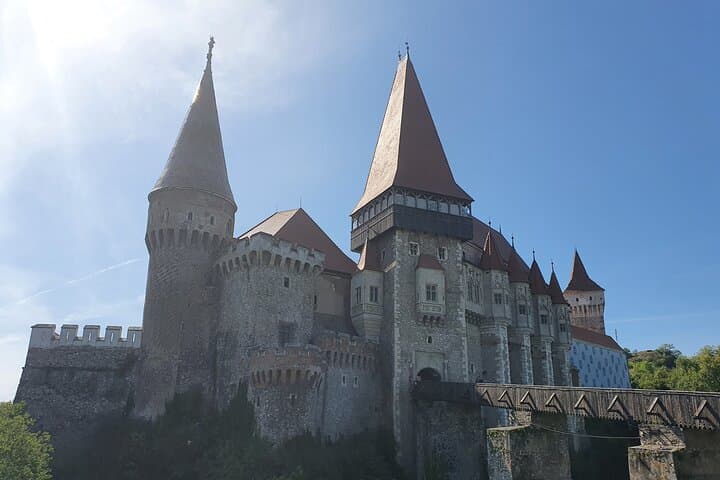
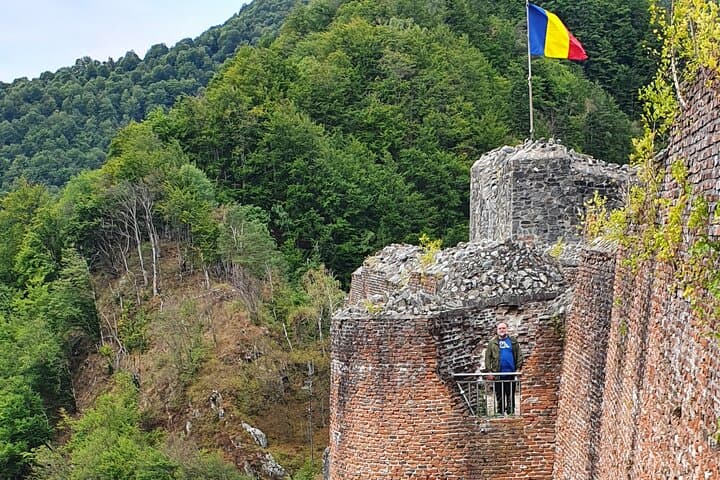
History here is visible in layers: Dacian and medieval fortifications, Saxon fortified churches, the remains of communist-era architecture in Bucharest, and the folk art of Sapînta’s Merry Cemetery. Geology carves the experience—limestone gorges, glacial cirques in the Făgăraș, and deep salt chambers at Turda create varied landscapes that reward both slow observation and quick camera grabs.
Practicalities: this is a private, vehicle-based tour with daily walking tours of 1–3 hours—expect stairs, uneven cobbles, and short uphill stretches. Pack a waterproof layer and sturdy shoes; plan for early departures to avoid crowds at Bran and the painted monasteries. Seasonal access varies—Transfăgărășan is routinely closed in winter—so confirm dates. Finally, respect local customs in churches (modest dress) and carry small bills for market vendors and museum donations. With thoughtful pacing, this route delivers a concentrated portrait of Romania’s raw landscapes and living traditions.
easy.
8 days.
Light—comfortable with 1–3 hours of walking on several days, including stairs and uneven streets
No—travel is by private vehicle and walking segments are short to moderate; basic mobility for stairs and uneven ground is required.
Yes—many rural vendors and some monasteries prefer cash (Romanian leu); ATMs are available in larger towns but may be scarce in villages.
No—the high Transfăgărășan section is typically open from late June to October depending on snow; your guide will adjust the itinerary if it’s closed.
The tour includes a private vehicle and guide; accommodations, most admissions and meals are typically arranged per your preferences—confirm details at booking.
Romania’s regions tell layered histories: medieval Wallachian and Moldavian principalities, Saxon settlements in Transylvania, and the 20th-century scars of communism are all visible along this route.
High-traffic sites face erosion and visitor pressure—stick to marked paths, avoid touching frescoes, and support local conservation through small donations and responsible tourism choices.
Romania Private Guide operates guided outdoor trips and adventures with an emphasis on safety, stewardship, and memorable experiences.
You arrive in Bucharest under a wide, pale sky and step into a private car that will carry you through a country where mountains push the horizon and rivers seem to dare you to follow them.
You arrive in Bucharest under a wide, pale sky and step into a private car that will carry you through a country where mountains push the horizon and rivers seem to dare you to follow them.
Across eight days the road becomes the backbone of the trip: the Transfagarasan climbs and breathes at altitude, the Bicaz Gorges narrow into cathedral-like rock, and the forests of Maramures keep their secrets in groves of beech and fir. You will walk cobbled lanes in medieval citadels, feel the chill salt air in Turda mine, and stand before monasteries painted in an intense blue that refuses to fade.
History here is visible in layers: Dacian and medieval fortifications, Saxon fortified churches, the remains of communist-era architecture in Bucharest, and the folk art of Sapînta’s Merry Cemetery. Geology carves the experience—limestone gorges, glacial cirques in the Făgăraș, and deep salt chambers at Turda create varied landscapes that reward both slow observation and quick camera grabs.
Practicalities: this is a private, vehicle-based tour with daily walking tours of 1–3 hours—expect stairs, uneven cobbles, and short uphill stretches. Pack a waterproof layer and sturdy shoes; plan for early departures to avoid crowds at Bran and the painted monasteries. Seasonal access varies—Transfăgărășan is routinely closed in winter—so confirm dates. Finally, respect local customs in churches (modest dress) and carry small bills for market vendors and museum donations. With thoughtful pacing, this route delivers a concentrated portrait of Romania’s raw landscapes and living traditions.