THE ADVENTURE COLLECTIVE® · Independent discovery and booking for outdoor travel

Move from the thunderous stones of Giza to the gentle current of the Nile on a private 8-day Egypt tour. Expect early starts at temples, a 3-night luxury cruise, and guided visits to Luxor, Aswan and Abu Simbel.
Move from the thunderous stones of Giza to the gentle current of the Nile on a private 8-day Egypt tour. Expect early starts at temples, a 3-night luxury cruise, and guided visits to Luxor, Aswan and Abu Simbel.
The morning light in Giza cuts across broad, wind-polished stone as you stand at the foot of Cheops; the desert breathes heat and history in equal measure. From Cairo’s bustling streets you fly south to Aswan, step aboard a 5-star Nile cruise and watch river life unfold — feluccas skimming the bank, fishermen casting nets, small Nubian settlements sliding by like scenes in miniature.
Verified experiences and guided adventures in the surrounding area.
Operated by Here Egypt Tours · Cairo, Cairo Governorate
The morning light in Giza cuts across broad, wind-polished stone as you stand at the foot of Cheops; the desert breathes heat and history in equal measure. From Cairo’s bustling streets you fly south to Aswan, step aboard a 5-star Nile cruise and watch river life unfold — feluccas skimming the bank, fishermen casting nets, small Nubian settlements sliding by like scenes in miniature.
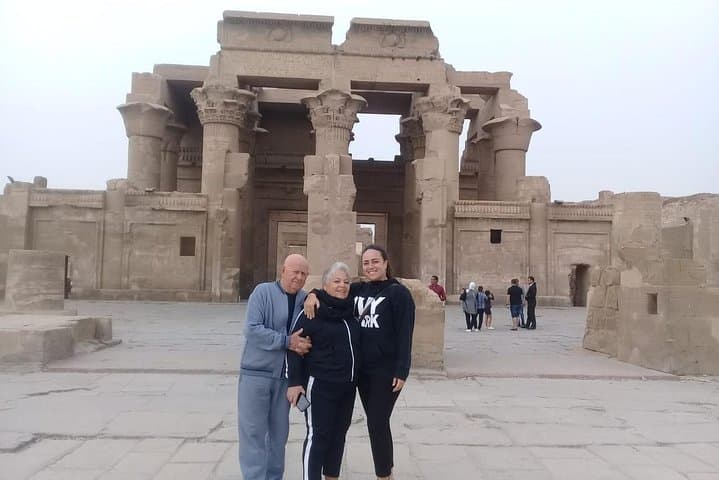
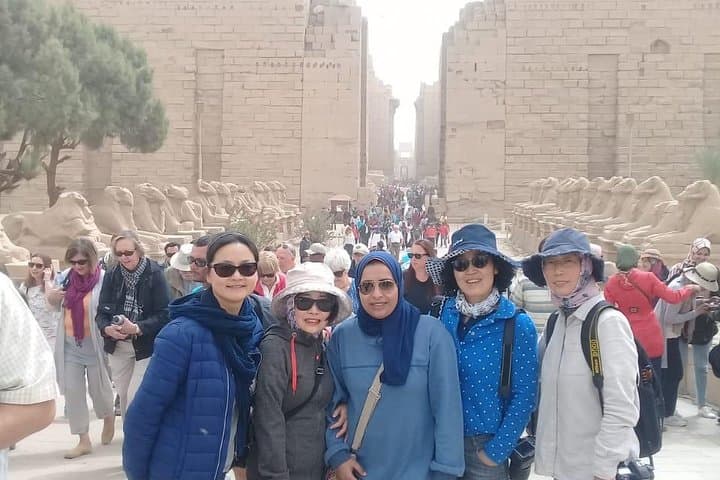
This itinerary threads Egypt’s greatest chapters: the Old Kingdom pyramids and Sphinx on Giza Plateau, Pharaonic temples at Karnak and Luxor, the rock-cut tombs of the Valley of the Kings carved into limestone cliffs, and the colossal temples of Abu Simbel relocated above the rising waters of Lake Nasser after the High Dam’s construction. Geology here matters — sandstone and limestone sculpt monuments that endure the desert’s abrasive sun and seasonal Nile floods. Culture shifts from metropolitan Cairo to the slow, river-driven rhythms of Upper Egypt; local guides will connect inscriptions and ritual to lived traditions still visible in Nubian villages.
Practical guide: plan early departures at temples to avoid heat and crowds, carry 3–4 liters of water daily, and wear closed-toe shoes for uneven tomb floors and temple courtyards. Travel between cities is handled by flight, private transfers and a night train; bring copies of travel documents and expect moderate walking with stairs and some uneven surfaces. Respect local dress norms at religious sites and budget for tipping at ports and small vendors. This week-long blend of guided archaeology and calm river travel delivers deep context with the ease of private transfers — it’s history you can move through, not just look at.
moderate.
8 days (7 nights).
Suitable for travelers in regular physical condition; able to walk 2–4 miles per day and manage stairs and some uneven terrain.
Yes — the itinerary includes the Cairo–Aswan flight, private airport and hotel transfers, plus transfers to and from the cruise port.
Many parts are advertised as wheelchair accessible, but some archaeological sites have uneven ground and steps; check in advance for site-specific access and request assistance where needed.
Expect moderate walking at sites — typically 1–4 miles per day depending on how deeply you explore temples and tombs.
Yes — international visitors need a valid passport and usually a visa for Egypt; passport data and expiry are required at booking and for airport procedures.
The Nile corridor connected Upper and Lower Egypt as the political and economic spine of pharaonic civilization; many temples were oriented to river access for processional barges.
The Aswan High Dam profoundly altered Nile ecology and sediment flow; visitors can support local conservation by minimizing plastic use and choosing responsible local guides.
Here Egypt Tours operates guided outdoor trips and adventures with an emphasis on safety, stewardship, and memorable experiences.
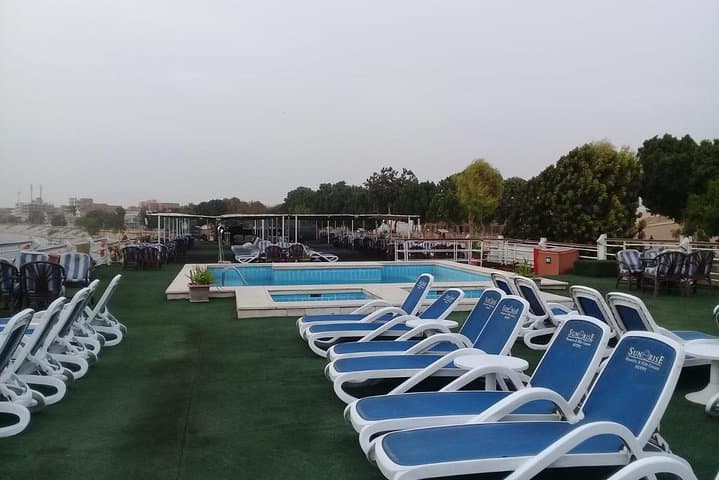
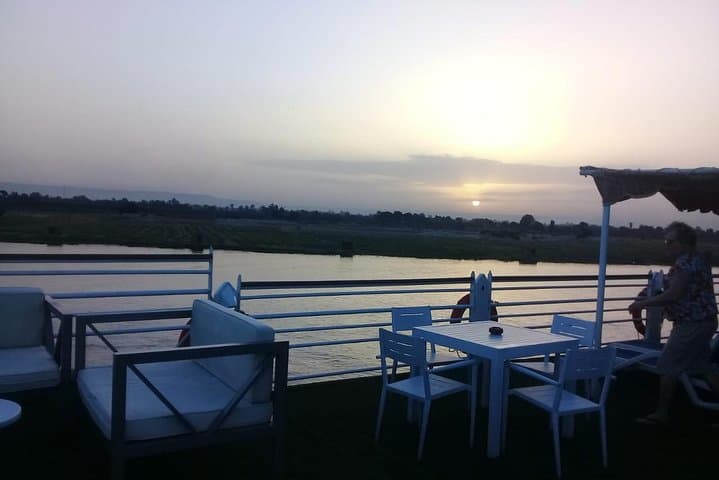
The morning light in Giza cuts across broad, wind-polished stone as you stand at the foot of Cheops; the desert breathes heat and history in equal measure. From Cairo’s bustling streets you fly south to Aswan, step aboard a 5-star Nile cruise and watch river life unfold — feluccas skimming the bank, fishermen casting nets, small Nubian settlements sliding by like scenes in miniature.
The morning light in Giza cuts across broad, wind-polished stone as you stand at the foot of Cheops; the desert breathes heat and history in equal measure. From Cairo’s bustling streets you fly south to Aswan, step aboard a 5-star Nile cruise and watch river life unfold — feluccas skimming the bank, fishermen casting nets, small Nubian settlements sliding by like scenes in miniature.
This itinerary threads Egypt’s greatest chapters: the Old Kingdom pyramids and Sphinx on Giza Plateau, Pharaonic temples at Karnak and Luxor, the rock-cut tombs of the Valley of the Kings carved into limestone cliffs, and the colossal temples of Abu Simbel relocated above the rising waters of Lake Nasser after the High Dam’s construction. Geology here matters — sandstone and limestone sculpt monuments that endure the desert’s abrasive sun and seasonal Nile floods. Culture shifts from metropolitan Cairo to the slow, river-driven rhythms of Upper Egypt; local guides will connect inscriptions and ritual to lived traditions still visible in Nubian villages.
Practical guide: plan early departures at temples to avoid heat and crowds, carry 3–4 liters of water daily, and wear closed-toe shoes for uneven tomb floors and temple courtyards. Travel between cities is handled by flight, private transfers and a night train; bring copies of travel documents and expect moderate walking with stairs and some uneven surfaces. Respect local dress norms at religious sites and budget for tipping at ports and small vendors. This week-long blend of guided archaeology and calm river travel delivers deep context with the ease of private transfers — it’s history you can move through, not just look at.