THE ADVENTURE COLLECTIVE® · Independent discovery and booking for outdoor travel

An eight-day private pilgrimage from Amman visits Madaba mosaics, Mount Nebo, the Dead Sea, Jerash and Ajloun—mixing short hikes, historic sites and restorative hot springs. Expect daily drives, uneven trails, and rich local hospitality.
An eight-day private pilgrimage from Amman visits Madaba mosaics, Mount Nebo, the Dead Sea, Jerash and Ajloun—mixing short hikes, historic sites and restorative hot springs. Expect daily drives, uneven trails, and rich local hospitality.
You step off the transfer van into Madaba’s evening light: the city’s stone streets smell faintly of baking bread and oud, and a battered mosaic map hints at the day-to-day places you’ll walk through history. Over the next eight days the landscape moves beneath you—rolling limestone hills, the sharp sink of the Dead Sea, and the olive-scattered slopes around Ajloun—each site pushing its own story forward.
Verified experiences and guided adventures in the surrounding area.
Operated by Jordan Nature · Madaba, Madaba Governorate
You step off the transfer van into Madaba’s evening light: the city’s stone streets smell faintly of baking bread and oud, and a battered mosaic map hints at the day-to-day places you’ll walk through history. Over the next eight days the landscape moves beneath you—rolling limestone hills, the sharp sink of the Dead Sea, and the olive-scattered slopes around Ajloun—each site pushing its own story forward.
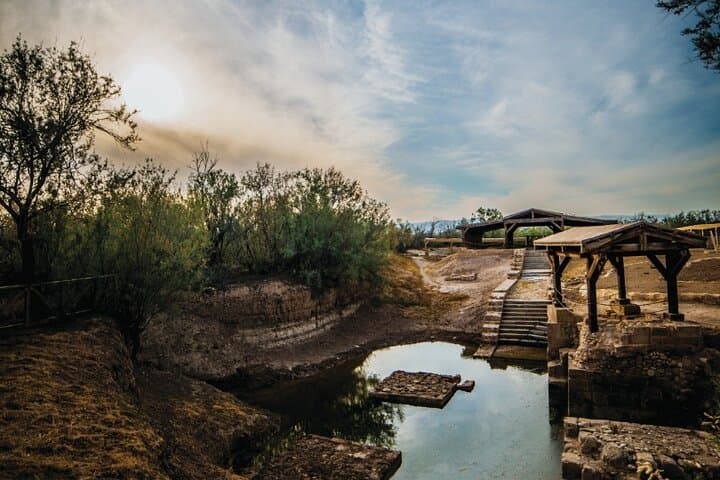
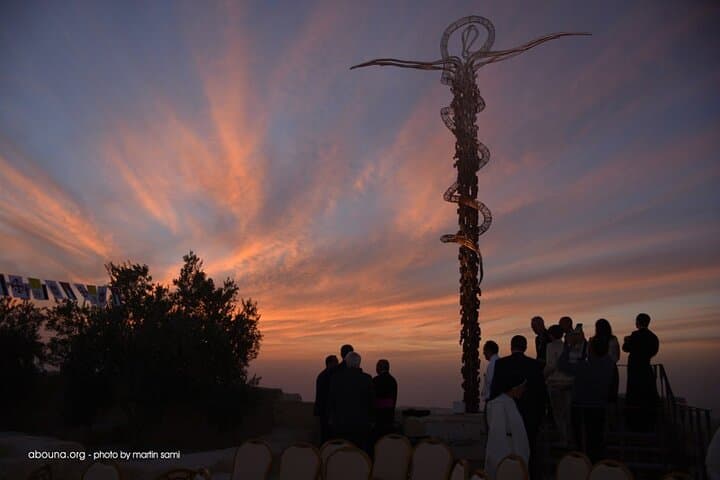
This itinerary threads Old and New Testament landmarks with Roman ruins and Byzantine mosaics. Madaba’s sixth-century mosaic map and St. George’s Church ground the tour in early Christian craftsmanship; Mount Nebo’s summit (≈817 m) offers a clear view toward the Jordan Rift and the Dead Sea depression (≈-430 m). Jerash presents one of the best-preserved Roman streets outside Italy, while Umm ar-Rasas and the Baptism sites along the Jordan River reveal layered pilgrimage practices and Crusader-era touches.
Geologically, you’ll cross the Rift Valley escarpment: limestone terraces give way to saline flats and mineral-rich hot springs at Ma’in. Culturally, expect warm hospitality, traditional Jordanian meals, and chances to visit small towns and local craft workshops.
Practical guidance: most days include 1–3 hours of driving between stops and several short hikes (1–4 km) on uneven, rocky trails with up to a few hundred meters of elevation change. Wear sturdy shoes, carry sun protection and a refillable water bottle, and bring modest clothing for religious sites. Best seasons are spring and fall for cooler temperatures and clearer vistas. This trip balances relaxed travel with active exploration—good planning, comfortable footwear, and a curious mind are all you need.
easy.
8 days.
Suitable for travelers in general good health; expect short hikes (1–4 km) on uneven terrain and normal daily activity.
Expect 1–3 hours of driving between major stops most days; the tour uses a private vehicle so you can rest between sites.
Yes—the tour is rated easy physically, though some ruins have steps or uneven ground; the operator provides infant seats and can adapt pacing.
Visa requirements depend on nationality—many nationalities can obtain a Jordanian visa on arrival, but check your embassy for current rules before travel.
Yes—floating is optional at Dead Sea beaches (some private hotels charge an entrance fee); Ma’in hot springs are visitable with pools and short access paths.
The route follows continuous layers of history from Roman Jerash’s urban grid to early Byzantine churches in Madaba and Crusader and Islamic-era fortifications in Ajloun and Umm ar-Rasas.
Sites are protected but fragile—stick to marked paths, avoid touching mosaics, and minimize plastic waste; local efforts focus on balancing tourism with heritage preservation.
Jordan Nature operates guided outdoor trips and adventures with an emphasis on safety, stewardship, and memorable experiences.
You step off the transfer van into Madaba’s evening light: the city’s stone streets smell faintly of baking bread and oud, and a battered mosaic map hints at the day-to-day places you’ll walk through history. Over the next eight days the landscape moves beneath you—rolling limestone hills, the sharp sink of the Dead Sea, and the olive-scattered slopes around Ajloun—each site pushing its own story forward.
You step off the transfer van into Madaba’s evening light: the city’s stone streets smell faintly of baking bread and oud, and a battered mosaic map hints at the day-to-day places you’ll walk through history. Over the next eight days the landscape moves beneath you—rolling limestone hills, the sharp sink of the Dead Sea, and the olive-scattered slopes around Ajloun—each site pushing its own story forward.
This itinerary threads Old and New Testament landmarks with Roman ruins and Byzantine mosaics. Madaba’s sixth-century mosaic map and St. George’s Church ground the tour in early Christian craftsmanship; Mount Nebo’s summit (≈817 m) offers a clear view toward the Jordan Rift and the Dead Sea depression (≈-430 m). Jerash presents one of the best-preserved Roman streets outside Italy, while Umm ar-Rasas and the Baptism sites along the Jordan River reveal layered pilgrimage practices and Crusader-era touches.
Geologically, you’ll cross the Rift Valley escarpment: limestone terraces give way to saline flats and mineral-rich hot springs at Ma’in. Culturally, expect warm hospitality, traditional Jordanian meals, and chances to visit small towns and local craft workshops.
Practical guidance: most days include 1–3 hours of driving between stops and several short hikes (1–4 km) on uneven, rocky trails with up to a few hundred meters of elevation change. Wear sturdy shoes, carry sun protection and a refillable water bottle, and bring modest clothing for religious sites. Best seasons are spring and fall for cooler temperatures and clearer vistas. This trip balances relaxed travel with active exploration—good planning, comfortable footwear, and a curious mind are all you need.