THE ADVENTURE COLLECTIVE® · Independent discovery and booking for outdoor travel

This eight-day private circuit combines Kathmandu’s UNESCO sites, wildlife safaris in Chitwan, and sunrise mountain views from Pokhara. Expect cultural immersion, river canoeing, jeep safaris, and easy walks framed by dramatic Himalayan silhouettes.
This eight-day private circuit combines Kathmandu’s UNESCO sites, wildlife safaris in Chitwan, and sunrise mountain views from Pokhara. Expect cultural immersion, river canoeing, jeep safaris, and easy walks framed by dramatic Himalayan silhouettes.
Arrive in Kathmandu and the valley opens like an old map—stone courtyards, prayer flags, and narrow alleys that funnel you toward Durbar Square. The air sits thinner here at about 1,400 m; vendors call, and temple bells mark the day.
Verified experiences and guided adventures in the surrounding area.
Operated by Yakthung Tours and Travels · Kathmandu, Bagmati Province
Arrive in Kathmandu and the valley opens like an old map—stone courtyards, prayer flags, and narrow alleys that funnel you toward Durbar Square. The air sits thinner here at about 1,400 m; vendors call, and temple bells mark the day.
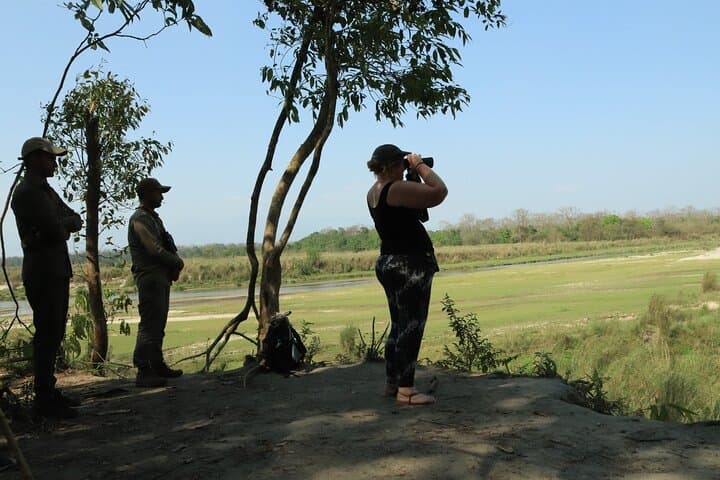
Over eight days the itinerary moves from Kathmandu’s UNESCO monuments to the lowland forests of Chitwan and the lakes and mountain views of Pokhara. Kathmandu’s cultural core—Patan and Swayambhunath—illustrates centuries of Newar architecture and religious overlap, while Pashupatinath reveals living Hindu rites along the Bagmati. Geologically, the trip crosses from the Kathmandu Basin’s folded hills down into the Terai plains; Chitwan National Park protects alluvial floodplains and riverine forest where the Rapti River dares you to watch quietly from a canoe.
Chitwan is Nepal’s first national park and a conservation success story for the one-horned Asian rhino and gharial recovery programs. In Pokhara, wake before dawn for Sarangkot (≈1,600 m) to watch Annapurna and Machapuchare catch first light, then descend to Fewa Lake for boating and lakeside paths.
Practical guidance: bring layered clothing for temperature swings (Kathmandu mornings cool, Pokhara valleys warm), sturdy walking shoes for uneven temple courtyards and jeep-safari tracks, and binoculars for birds and wildlife viewing. Expect long drives—Kathmandu–Chitwan ~175 km (5–6 hrs), Chitwan–Pokhara ~145 km (≈3 hrs), Pokhara–Kathmandu ~200 km (≈6 hrs)—so plan motion comfort and spare power for phones. Carry cash for park fees and local purchases, and schedule Sarangkot at sunrise for the clearest mountain views.
easy.
8 days.
Suitable for travelers in average physical condition; includes short walks, one-hour canoe, and optional easy hikes (Sarangkot/Pokhara trails).
Routine vaccinations are recommended; consult a travel clinic for typhoid and hepatitis A/B and discuss malaria precautions for Terai lowlands.
Yes—a 25–30 minute domestic flight connects Pokhara and Kathmandu and can replace the 6-hour drive when available and preferred.
Park entry is usually not included by default—confirm with the operator and carry local currency to cover permits and guide fees if required.
One-horned rhinos are commonly seen on jeep or walking safaris; tiger sightings are rare but possible—wildlife sightings can’t be guaranteed.
Kathmandu Valley has been a cultural and trading crossroads for centuries; nearby Durbar Squares and stupas reflect Newar craftsmanship and both Hindu and Buddhist traditions.
Chitwan is a focal point for Nepal’s anti-poaching and rhino-protection programs; visitors are encouraged to follow park rules, avoid feeding wildlife, and support community-based tourism.
Yakthung Tours and Travels operates guided outdoor trips and adventures with an emphasis on safety, stewardship, and memorable experiences.


Arrive in Kathmandu and the valley opens like an old map—stone courtyards, prayer flags, and narrow alleys that funnel you toward Durbar Square. The air sits thinner here at about 1,400 m; vendors call, and temple bells mark the day.
Arrive in Kathmandu and the valley opens like an old map—stone courtyards, prayer flags, and narrow alleys that funnel you toward Durbar Square. The air sits thinner here at about 1,400 m; vendors call, and temple bells mark the day.
Over eight days the itinerary moves from Kathmandu’s UNESCO monuments to the lowland forests of Chitwan and the lakes and mountain views of Pokhara. Kathmandu’s cultural core—Patan and Swayambhunath—illustrates centuries of Newar architecture and religious overlap, while Pashupatinath reveals living Hindu rites along the Bagmati. Geologically, the trip crosses from the Kathmandu Basin’s folded hills down into the Terai plains; Chitwan National Park protects alluvial floodplains and riverine forest where the Rapti River dares you to watch quietly from a canoe.
Chitwan is Nepal’s first national park and a conservation success story for the one-horned Asian rhino and gharial recovery programs. In Pokhara, wake before dawn for Sarangkot (≈1,600 m) to watch Annapurna and Machapuchare catch first light, then descend to Fewa Lake for boating and lakeside paths.
Practical guidance: bring layered clothing for temperature swings (Kathmandu mornings cool, Pokhara valleys warm), sturdy walking shoes for uneven temple courtyards and jeep-safari tracks, and binoculars for birds and wildlife viewing. Expect long drives—Kathmandu–Chitwan ~175 km (5–6 hrs), Chitwan–Pokhara ~145 km (≈3 hrs), Pokhara–Kathmandu ~200 km (≈6 hrs)—so plan motion comfort and spare power for phones. Carry cash for park fees and local purchases, and schedule Sarangkot at sunrise for the clearest mountain views.