THE ADVENTURE COLLECTIVE® · Independent discovery and booking for outdoor travel

Trace the Nile from Cairo’s pyramids to Aswan’s granite quarries on a private, 8‑day sightseeing tour. This itinerary pairs major pharaonic sites with intimate local moments and practical travel logistics for a smooth cultural journey.
Trace the Nile from Cairo’s pyramids to Aswan’s granite quarries on a private, 8‑day sightseeing tour. This itinerary pairs major pharaonic sites with intimate local moments and practical travel logistics for a smooth cultural journey.
You step out of Cairo International Airport and the city’s heat meets you like a compact, ancient breath—sand and diesel, call to prayer overlaid with the distant, steady pulse of the Nile daring you to follow it south.
Verified experiences and guided adventures in the surrounding area.
Operated by Your Egypt Tours · Cairo, Cairo Governorate
You step out of Cairo International Airport and the city’s heat meets you like a compact, ancient breath—sand and diesel, call to prayer overlaid with the distant, steady pulse of the Nile daring you to follow it south.
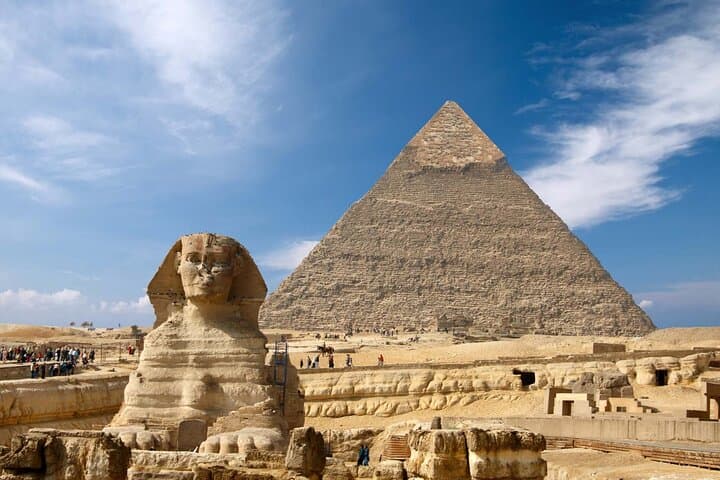
Over eight days this private tour moves from the limestone heft of the Giza pyramids to the carved rock silence of the Valley of the Kings, then downriver to the palm-lined islands and granite quarries of Aswan. Geology shapes the route: Giza’s limestone blocks, Luxor’s sandstone cliffs cut with colorful funerary chambers, and Aswan’s pink granite, where an unfinished obelisk still rests in its bedrock cradle.
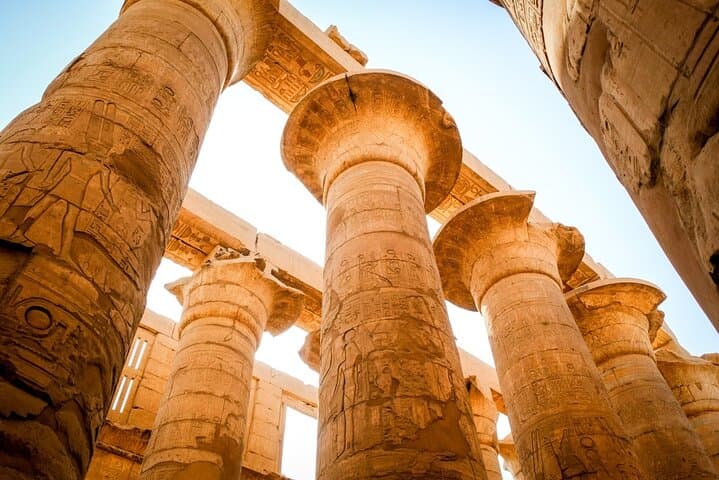
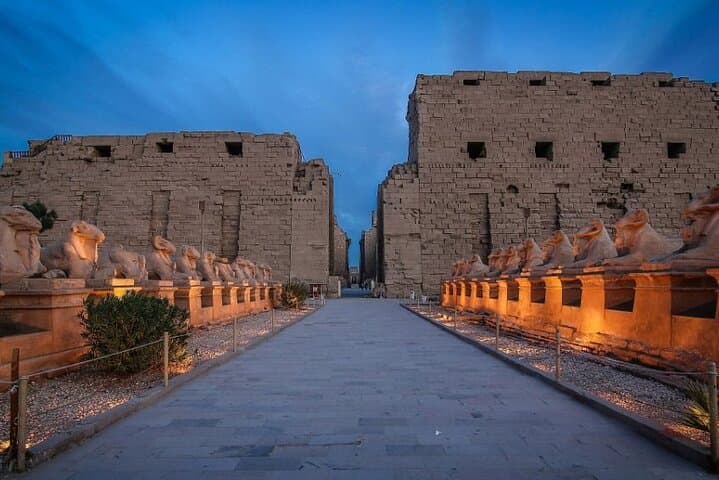
History here is tactile. Pharaohs left monumental signatures in stone, Greek and Roman rulers left inscriptions of their own, and Nubian communities added living culture along the Nile’s bends. UNESCO-led relocations and the building of the Aswan High Dam altered landscapes and livelihoods; traces of that modern story sit beside millennia-old reliefs.
Practical guide: expect several hours of walking each day on uneven stone and packed earth, with sudden sun and little shade at many sites. Travel is private and largely air-conditioned, but plan for early starts to avoid midday heat, modest clothing for religious sites, and small local-currency cash for tips and incidental purchases. Bring a refillable water bottle, sturdy shoes, and a patient sense of time—Egypt reveals itself best when you move slowly between its monuments.
moderate.
8 days.
Able to walk 2–4 hours daily on uneven surfaces and tolerate heat; not technically demanding.
Most travelers need a visa; many nationalities can obtain an e‑visa or get one on arrival—check current Egyptian government requirements well before travel.
This tour includes entrance fees to the sites listed in the itinerary, but optional extras (additional tombs, camel rides) are paid locally.
Transfers and many modern sites are wheelchair accessible, but some temples and tombs have uneven ground and stairs that limit access inside certain monuments.
Tipping is customary: guides and drivers expect small tips per day; carry small bills to tip for good service.
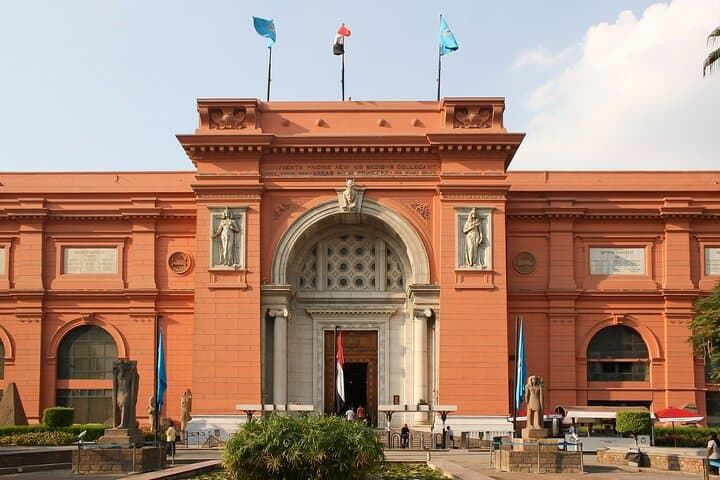
The tour traces Egypt’s Pharaonic heartlands—pyramids, mortuary temples, and rock‑cut royal tombs—along the Nile, where settlements have existed for millennia.
High visitor numbers and development pressure have prompted localized conservation projects and UNESCO interventions; stay on marked paths and avoid touching ancient reliefs to minimize impact.
Your Egypt Tours operates guided outdoor trips and adventures with an emphasis on safety, stewardship, and memorable experiences.
You step out of Cairo International Airport and the city’s heat meets you like a compact, ancient breath—sand and diesel, call to prayer overlaid with the distant, steady pulse of the Nile daring you to follow it south.
You step out of Cairo International Airport and the city’s heat meets you like a compact, ancient breath—sand and diesel, call to prayer overlaid with the distant, steady pulse of the Nile daring you to follow it south.
Over eight days this private tour moves from the limestone heft of the Giza pyramids to the carved rock silence of the Valley of the Kings, then downriver to the palm-lined islands and granite quarries of Aswan. Geology shapes the route: Giza’s limestone blocks, Luxor’s sandstone cliffs cut with colorful funerary chambers, and Aswan’s pink granite, where an unfinished obelisk still rests in its bedrock cradle.
History here is tactile. Pharaohs left monumental signatures in stone, Greek and Roman rulers left inscriptions of their own, and Nubian communities added living culture along the Nile’s bends. UNESCO-led relocations and the building of the Aswan High Dam altered landscapes and livelihoods; traces of that modern story sit beside millennia-old reliefs.
Practical guide: expect several hours of walking each day on uneven stone and packed earth, with sudden sun and little shade at many sites. Travel is private and largely air-conditioned, but plan for early starts to avoid midday heat, modest clothing for religious sites, and small local-currency cash for tips and incidental purchases. Bring a refillable water bottle, sturdy shoes, and a patient sense of time—Egypt reveals itself best when you move slowly between its monuments.