THE ADVENTURE COLLECTIVE® · Independent discovery and booking for outdoor travel

A compact, multi-day private itinerary that pairs Cairo’s iconic pyramids with a classic southbound Nile cruise: Luxor, Aswan, Abu Simbel and a hot-air balloon over the Valley of the Kings. Practical, guided, and paced for comfortable exploration.
A compact, multi-day private itinerary that pairs Cairo’s iconic pyramids with a classic southbound Nile cruise: Luxor, Aswan, Abu Simbel and a hot-air balloon over the Valley of the Kings. Practical, guided, and paced for comfortable exploration.
You step away from Cairo International Airport into a dry, bright air that carries dust and the faint scent of river reeds—this is the Nile’s country. The first morning, the pyramids loom low and monumental against the skyline; later the cruise unfurls a different pace as the river pushes the boat south and the banks alternate between palm groves and small mud‑brick villages.
Verified experiences and guided adventures in the surrounding area.
Operated by Here Egypt Tours · Cairo, Cairo Governorate
You step away from Cairo International Airport into a dry, bright air that carries dust and the faint scent of river reeds—this is the Nile’s country. The first morning, the pyramids loom low and monumental against the skyline; later the cruise unfurls a different pace as the river pushes the boat south and the banks alternate between palm groves and small mud‑brick villages.
The trip threads millennia: Pharaonic temples carved from sandstone and granite, the layered history of Luxor’s east and west banks, and the audacious modern engineering of the Aswan High Dam. Geology is visible here—Nile silts, exposed Nubian sandstone, and the flat, sun‑baked desert that allowed monumental architecture to survive for thousands of years. Culturally, you’ll encounter living traditions—boatmen, market sellers, and Nubian communities—framing ancient sites with contemporary life.
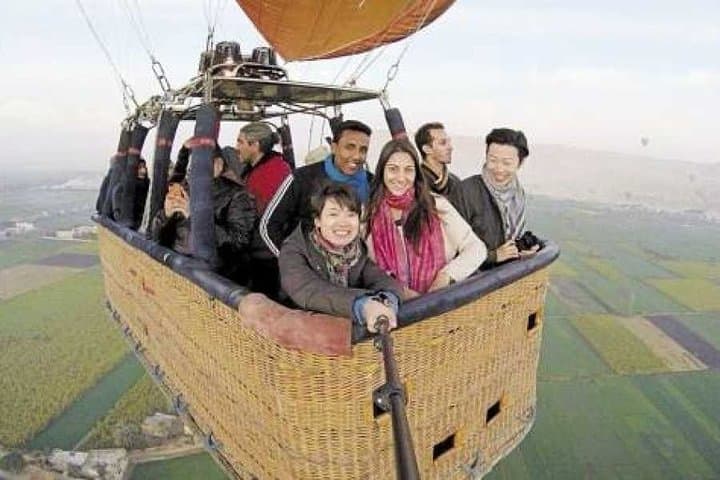
Expect guided temple tours, a sunrise hot‑air balloon over Luxor’s archaeological plain, and multi-night comfort aboard a mid-to-upper-class Nile cruise with on‑deck views and meals included. Mornings are best for sightseeing; mid‑day heat calls for shaded breaks on the boat. Walk surfaces vary from paved paths and temple ramps to compact sand and uneven stone; many sites require climbing steps.
Practical guidance: carry sun protection, refillable water, and closed-toe shoes with grip; bring photocopies of travel documents and local currency for small purchases and tips. Schedule buffers for train or transfer delays and arrive at Abu Simbel very early to avoid heat and crowds. With steady pacing and basic preparation, this itinerary balances immersive archeology with the slow, riverine rhythm of the Nile.
moderate.
8 days.
Light-to-moderate fitness for walking, climbing temple steps, and standing through guided tours; able to manage 2–4 miles of walking per day.
Most travelers require a visa; check your nationality for e‑visa options or obtain a visa on arrival where available and carry passport photocopies.
The hot air balloon is included per itinerary; operators follow safety protocols—arrive on time and follow crew instructions, and note flights can be canceled for weather.
Abu Simbel is busiest mid‑day; tours typically visit at dawn to avoid crowds. Valley of the Kings is busiest in the morning—early starts give better light and fewer visitors.
The program lists 3 nights on the cruise with meals and 2 nights in a 3‑star Cairo hotel with breakfast; other meals are specified in the itinerary details.
The Nile shaped ancient Egyptian civilization—fertile silt lines allowed agriculture and dense settlements, which in turn supported monumental architecture and complex religion across millennia.
High visitor numbers put pressure on fragile sites; follow marked paths, avoid touching carvings, and support local conservation fees and accredited guides.
Here Egypt Tours operates guided outdoor trips and adventures with an emphasis on safety, stewardship, and memorable experiences.
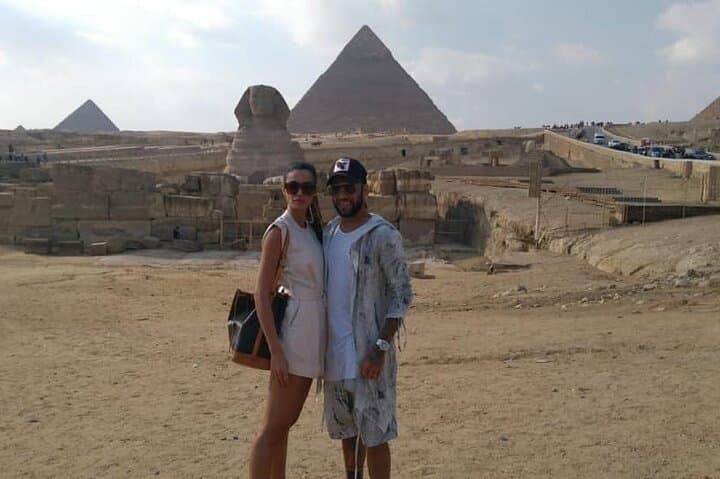
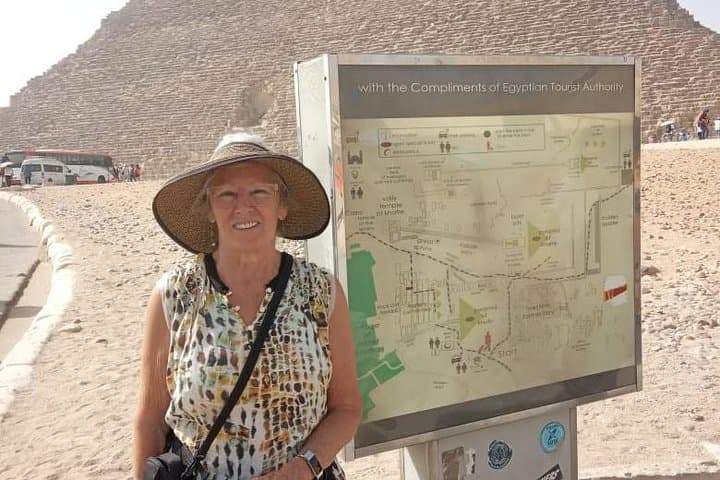
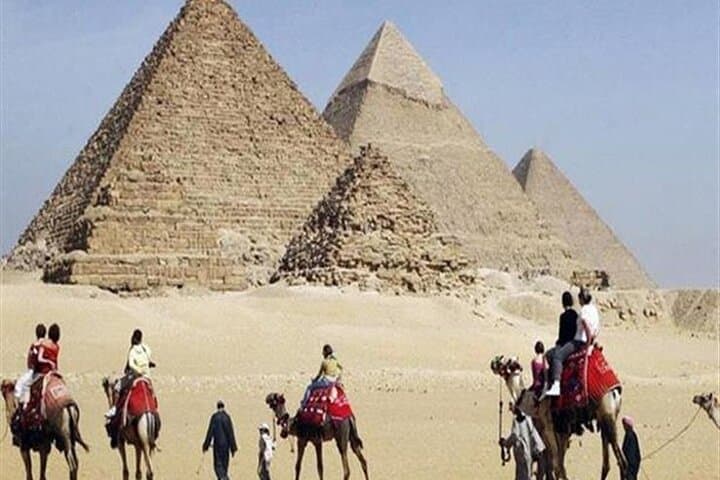
You step away from Cairo International Airport into a dry, bright air that carries dust and the faint scent of river reeds—this is the Nile’s country. The first morning, the pyramids loom low and monumental against the skyline; later the cruise unfurls a different pace as the river pushes the boat south and the banks alternate between palm groves and small mud‑brick villages.
You step away from Cairo International Airport into a dry, bright air that carries dust and the faint scent of river reeds—this is the Nile’s country. The first morning, the pyramids loom low and monumental against the skyline; later the cruise unfurls a different pace as the river pushes the boat south and the banks alternate between palm groves and small mud‑brick villages.
The trip threads millennia: Pharaonic temples carved from sandstone and granite, the layered history of Luxor’s east and west banks, and the audacious modern engineering of the Aswan High Dam. Geology is visible here—Nile silts, exposed Nubian sandstone, and the flat, sun‑baked desert that allowed monumental architecture to survive for thousands of years. Culturally, you’ll encounter living traditions—boatmen, market sellers, and Nubian communities—framing ancient sites with contemporary life.
Expect guided temple tours, a sunrise hot‑air balloon over Luxor’s archaeological plain, and multi-night comfort aboard a mid-to-upper-class Nile cruise with on‑deck views and meals included. Mornings are best for sightseeing; mid‑day heat calls for shaded breaks on the boat. Walk surfaces vary from paved paths and temple ramps to compact sand and uneven stone; many sites require climbing steps.
Practical guidance: carry sun protection, refillable water, and closed-toe shoes with grip; bring photocopies of travel documents and local currency for small purchases and tips. Schedule buffers for train or transfer delays and arrive at Abu Simbel very early to avoid heat and crowds. With steady pacing and basic preparation, this itinerary balances immersive archeology with the slow, riverine rhythm of the Nile.