THE ADVENTURE COLLECTIVE® · Independent discovery and booking for outdoor travel

An eight-day private loop through Egypt’s headline sites—Giza, Aswan, Luxor—with a three-night Nile cruise linking the river’s temples. Expect expert guides, early starts, and a steady pace that balances culture and comfort.
An eight-day private loop through Egypt’s headline sites—Giza, Aswan, Luxor—with a three-night Nile cruise linking the river’s temples. Expect expert guides, early starts, and a steady pace that balances culture and comfort.
You step from the airport into Cairo’s humid light and the city folds around you: traffic, calls to prayer and the low, constant hum of a metropolis that has grown up beside the oldest river on earth. Over the next eight days the Nile will push you forward—through Aswan’s granite cliffs, past Kom Ombo’s twin shrines, and into Luxor’s valley of painted tombs—each day a sequence of moving architecture and living history.
Verified experiences and guided adventures in the surrounding area.
Operated by Egypt Holiday Makers Travel · Cairo, Cairo
You step from the airport into Cairo’s humid light and the city folds around you: traffic, calls to prayer and the low, constant hum of a metropolis that has grown up beside the oldest river on earth. Over the next eight days the Nile will push you forward—through Aswan’s granite cliffs, past Kom Ombo’s twin shrines, and into Luxor’s valley of painted tombs—each day a sequence of moving architecture and living history.
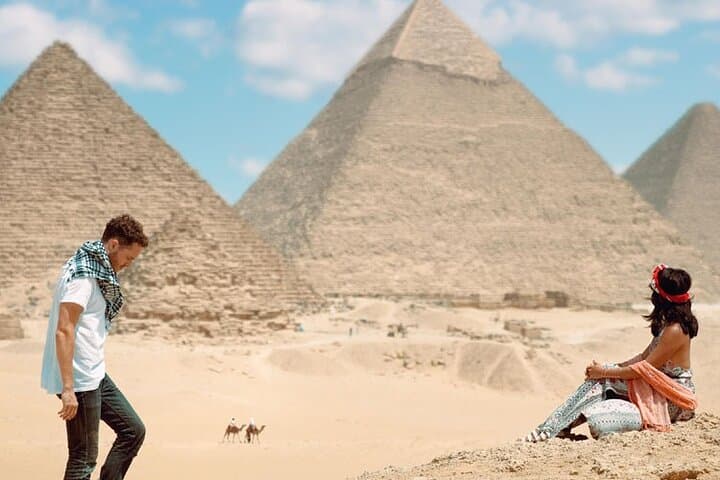
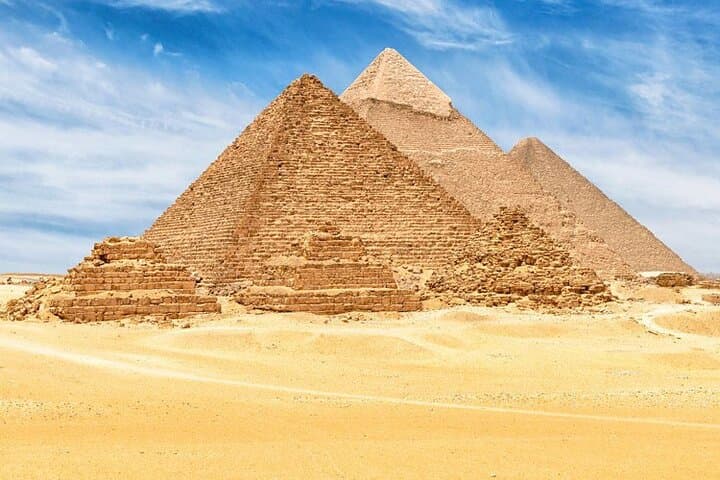
Egypt’s monuments sit on a deep geological stage: the Nile’s alluvial plain carved routes through limestone and sandstone while Aswan’s granite outcrops anchored quarries for obelisks and statues. Centuries of pharaohs, Romans, Copts and Mamluks left layers you can read in stone, from the precise angles of the Giza pyramids to the reassembled Philae Temple that stands because of 20th-century engineering.
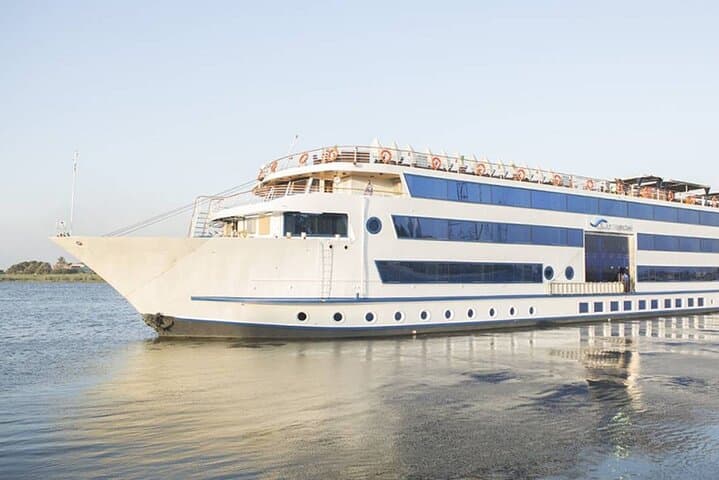
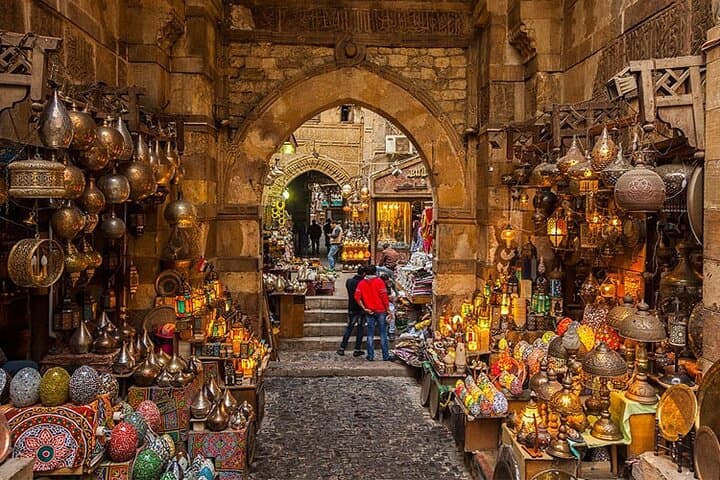
Culturally, expect expert Egyptologist narration, small negotiations at markets, and a rhythm set by early starts to beat the heat. The Nile cruise is restorative—deck air, river light, and the slow churn of water as companions.
Practical guidance: plan early-morning temple visits for cooler light and thinner crowds; carry a brimmed hat, 2–3 liters of water daily, and a light scarf for sun and mosque visits. Comfortable walking shoes and modest clothing are required in religious sites. Domestic flights and transfers are included in the itinerary, but keep passport and visa copies handy and leave room for short walks on uneven surfaces and steps in tombs. Timing, hydration, and respect for local customs make the trip not only smoother but richer.
moderate.
8 days.
Suitable for travelers in average fitness who can manage multiple short walks, stairs, and occasional uneven surfaces.
Most visitors require a visa; check your nationality’s requirements—visas can be obtained on arrival or in advance depending on country.
This is a moderate-paced cultural tour with guided walks, stairs in tombs and temples, and short transfers; no technical skills required.
Yes: the included 5-star Nile cruise offers cabins, meals and relatively gentle daily schedules, but mobility concerns should be noted at booking.
Yes, domestic flights Cairo–Aswan and Luxor–Cairo are included in the itinerary as listed.
The itinerary threads pharaonic monuments, Roman and Mamluk additions, and 20th-century engineering—the relocation of Philae Temple after the Aswan High Dam is a notable modern intervention.
Tourism pressure and water-level changes affect fragile tomb pigments and riverine ecology; follow guide instructions, avoid flash photography in tombs, and support local conservation initiatives.
Egypt Holiday Makers Travel operates guided outdoor trips and adventures with an emphasis on safety, stewardship, and memorable experiences.
You step from the airport into Cairo’s humid light and the city folds around you: traffic, calls to prayer and the low, constant hum of a metropolis that has grown up beside the oldest river on earth. Over the next eight days the Nile will push you forward—through Aswan’s granite cliffs, past Kom Ombo’s twin shrines, and into Luxor’s valley of painted tombs—each day a sequence of moving architecture and living history.
You step from the airport into Cairo’s humid light and the city folds around you: traffic, calls to prayer and the low, constant hum of a metropolis that has grown up beside the oldest river on earth. Over the next eight days the Nile will push you forward—through Aswan’s granite cliffs, past Kom Ombo’s twin shrines, and into Luxor’s valley of painted tombs—each day a sequence of moving architecture and living history.
Egypt’s monuments sit on a deep geological stage: the Nile’s alluvial plain carved routes through limestone and sandstone while Aswan’s granite outcrops anchored quarries for obelisks and statues. Centuries of pharaohs, Romans, Copts and Mamluks left layers you can read in stone, from the precise angles of the Giza pyramids to the reassembled Philae Temple that stands because of 20th-century engineering.
Culturally, expect expert Egyptologist narration, small negotiations at markets, and a rhythm set by early starts to beat the heat. The Nile cruise is restorative—deck air, river light, and the slow churn of water as companions.
Practical guidance: plan early-morning temple visits for cooler light and thinner crowds; carry a brimmed hat, 2–3 liters of water daily, and a light scarf for sun and mosque visits. Comfortable walking shoes and modest clothing are required in religious sites. Domestic flights and transfers are included in the itinerary, but keep passport and visa copies handy and leave room for short walks on uneven surfaces and steps in tombs. Timing, hydration, and respect for local customs make the trip not only smoother but richer.