THE ADVENTURE COLLECTIVE® · Independent discovery and booking for outdoor travel

This eight-day cultural route pairs Phnom Penh’s history with the monumental Angkor complex and a boat journey on Tonle Sap’s floating villages. Expect sunrise temple circuits, a wildlife sanctuary visit, market explorations and a possible short beach extension at trip’s end.
This eight-day cultural route pairs Phnom Penh’s history with the monumental Angkor complex and a boat journey on Tonle Sap’s floating villages. Expect sunrise temple circuits, a wildlife sanctuary visit, market explorations and a possible short beach extension at trip’s end.
Dawn slices the horizon behind Angkor Wat’s lotus towers as mist lifts from the moat and the first shafts of light pull the stone into relief. On the riverfront in Phnom Penh, motorbikes hum past French-era villas and the Mekong moves like a slow, deliberate conversation.
Verified experiences and guided adventures in the surrounding area.
Operated by Asia Travel Links · Phnom Penh, Phnom Penh
Dawn slices the horizon behind Angkor Wat’s lotus towers as mist lifts from the moat and the first shafts of light pull the stone into relief. On the riverfront in Phnom Penh, motorbikes hum past French-era villas and the Mekong moves like a slow, deliberate conversation.
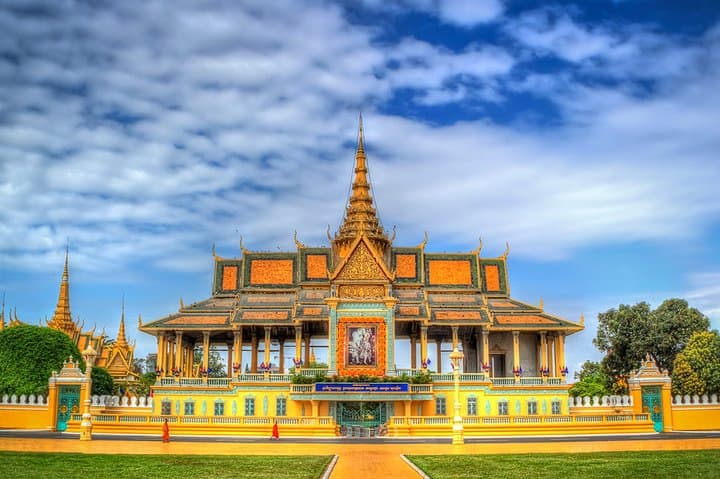
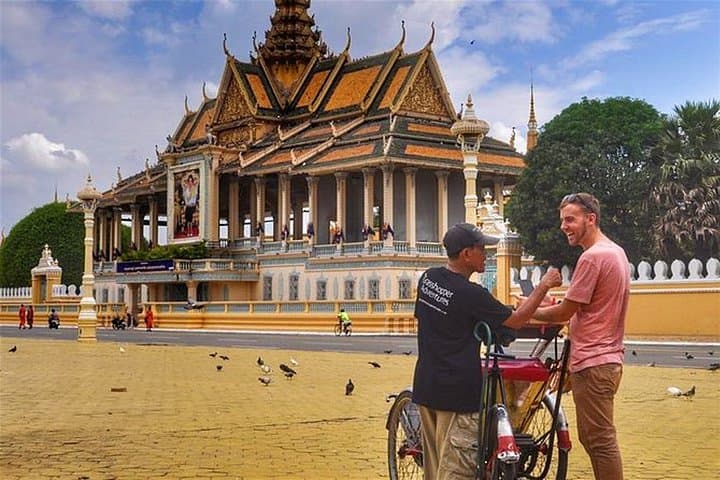
This eight-day itinerary moves from the capital’s layered past — royal palaces, colonial boulevards and the hard memory of the Khmer Rouge — into the lowland sweep of the Tonle Sap and the grand geometry of Angkor, built by the Khmer Empire in the 9th–13th centuries. Geologically the region sits on alluvial plains fed by the Tonle Sap’s dramatic seasonal pulse; culturally you’ll encounter active pagodas, Apsara dance, and markets that trace centuries of trade.
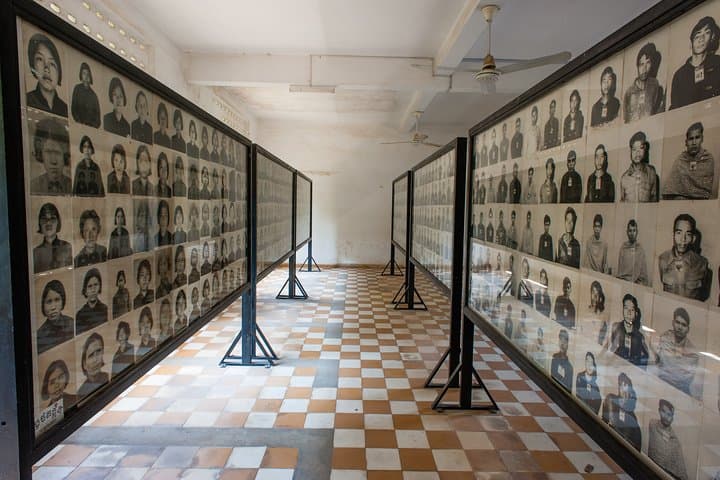
Highlights include a sober visit to Tuol Sleng and Choeung Ek, a hands-on conservation experience at Phnom Tamao Wildlife Rescue Centre (no direct contact with rescued bears), boat rides through floating villages on the Tonle Sap, and long days exploring Angkor Thom, Bayon and Ta Prohm’s tree-woven galleries.
Practical guidance: plan early starts for sunrise light and cooler temperatures; dress modestly at temples (shoulders and knees covered); carry cash (USD commonly accepted, small riel notes useful); stay hydrated and use insect protection for lakeside legs of the trip. Comfortable walking shoes and a lightweight rain layer will make long temple circuits and sudden tropical showers manageable. If your booking includes the advertised beach extension, expect a relaxed coastal finish on Cambodia’s southern shore or a short transfer arranged by your operator.
moderate.
8 days (full‑day touring with multiple short walks).
Suitable for travelers with basic fitness—expect long days on foot, uneven temple steps and boat transfers
Many nationalities can obtain an e‑visa or visa on arrival; check current embassy guidance and have passport details ready for booking.
Visiting Angkor involves lots of walking and climbing steep temple steps in hot conditions—comfortable shoes and regular water breaks are recommended.
If a beach stop is included, swimming is usually possible but check local conditions and avoid swimming in rough or unpatrolled areas.
Yes—Cambodian cuisine and tour catering generally accommodate vegetarian diets if requested in advance.
The Angkor complex was the religious and political center of the Khmer Empire between the 9th and 13th centuries; Phnom Penh later rose as a French colonial and royal capital in the 19th century.
Tonle Sap supports a unique flood‑pulse ecosystem critical for fisheries and livelihoods; Phnom Tamao operates as a rescue centre for animals displaced by the illegal wildlife trade—respect rules and support responsible operators.
Asia Travel Links operates guided outdoor trips and adventures with an emphasis on safety, stewardship, and memorable experiences.
Dawn slices the horizon behind Angkor Wat’s lotus towers as mist lifts from the moat and the first shafts of light pull the stone into relief. On the riverfront in Phnom Penh, motorbikes hum past French-era villas and the Mekong moves like a slow, deliberate conversation.
Dawn slices the horizon behind Angkor Wat’s lotus towers as mist lifts from the moat and the first shafts of light pull the stone into relief. On the riverfront in Phnom Penh, motorbikes hum past French-era villas and the Mekong moves like a slow, deliberate conversation.
This eight-day itinerary moves from the capital’s layered past — royal palaces, colonial boulevards and the hard memory of the Khmer Rouge — into the lowland sweep of the Tonle Sap and the grand geometry of Angkor, built by the Khmer Empire in the 9th–13th centuries. Geologically the region sits on alluvial plains fed by the Tonle Sap’s dramatic seasonal pulse; culturally you’ll encounter active pagodas, Apsara dance, and markets that trace centuries of trade.
Highlights include a sober visit to Tuol Sleng and Choeung Ek, a hands-on conservation experience at Phnom Tamao Wildlife Rescue Centre (no direct contact with rescued bears), boat rides through floating villages on the Tonle Sap, and long days exploring Angkor Thom, Bayon and Ta Prohm’s tree-woven galleries.
Practical guidance: plan early starts for sunrise light and cooler temperatures; dress modestly at temples (shoulders and knees covered); carry cash (USD commonly accepted, small riel notes useful); stay hydrated and use insect protection for lakeside legs of the trip. Comfortable walking shoes and a lightweight rain layer will make long temple circuits and sudden tropical showers manageable. If your booking includes the advertised beach extension, expect a relaxed coastal finish on Cambodia’s southern shore or a short transfer arranged by your operator.