THE ADVENTURE COLLECTIVE® · Independent discovery and booking for outdoor travel

Covering Lima’s colonial core, the Ballestas Islands, a Nazca overflight, and the high-Andean wonders of the Sacred Valley, this eight-day circuit pairs cultural highlights with short high-altitude treks. Plan for altitude, varied terrain and big vistas.
Covering Lima’s colonial core, the Ballestas Islands, a Nazca overflight, and the high-Andean wonders of the Sacred Valley, this eight-day circuit pairs cultural highlights with short high-altitude treks. Plan for altitude, varied terrain and big vistas.
You step off the bus in Cusco with Andes air pulling at your sleeves and a city that still speaks in Inca stones and colonial bells. Over eight days this trip moves like a well-paced story—from Lima’s ocean bluffs to the desert hush of Huacachina, the winged cliffs of the Ballestas, the eerie Nazca lines below, and finally up into the high valleys that gave rise to the Inca.
Verified experiences and guided adventures in the surrounding area.
Operated by Machupicchu Holiday · Cusco, Cusco Region
You step off the bus in Cusco with Andes air pulling at your sleeves and a city that still speaks in Inca stones and colonial bells. Over eight days this trip moves like a well-paced story—from Lima’s ocean bluffs to the desert hush of Huacachina, the winged cliffs of the Ballestas, the eerie Nazca lines below, and finally up into the high valleys that gave rise to the Inca.
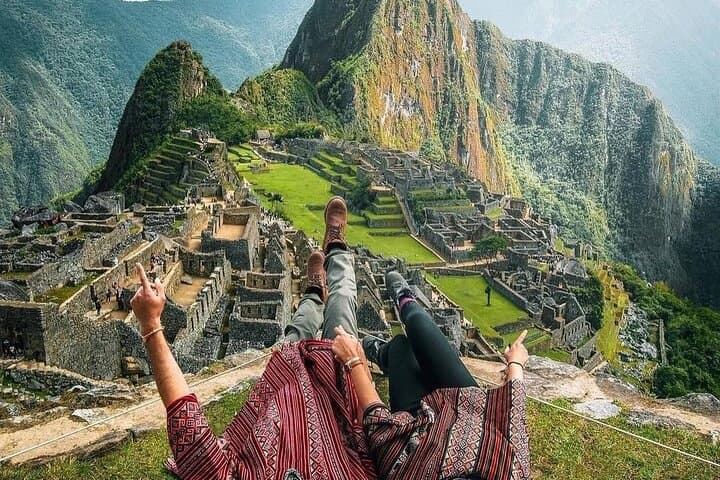
The route threads through multiple geologies: coastal dunes carved by wind and sand, the cold Humboldt-influenced Pacific, and the uplifted volcanic and sedimentary formations of the Andes. Cultural markers are constant—Pre-Columbian pyramids in Lima, colonial plazas, the salt terraces of Maras, and the agricultural laboratories of Moray. Machu Picchu perches at about 2,430 m, its stonework revealing Inca planning; Rainbow Mountain climbs toward 5,000 m with iron-rich strata bleeding bands of rust, ochre and turquoise.
Expect a mix of short walks and longer high‑altitude hikes (Rainbow Mountain involves roughly 4–6 km round trip with 400–600 m of gain depending on the trailhead). Guides handle logistics—train segments from Ollantaytambo, bus transfers, and timed Machu Picchu entries—so your job is to manage pace and acclimatization.
Practical notes: hydrate and rest in Cusco before high passes, layer for wide temperature swings, bring cash for small markets, and protect skin and lungs from intense sun and dust. The experience balances cultural immersion, wildlife sighting (Ballestas sea lions and coastal birds), and strenuous short treks—rewarded by enormous Andean panoramas and the living presence of history.
challenging.
8 days.
Good cardiovascular fitness for hiking at altitude and the ability to walk uneven trails for 2–4 hours on several days.
Rainbow Mountain is a shorter but higher-altitude hike (up to ~5,000 m) with steep sections; Machu Picchu involves moderate walking at lower elevation (≈2,430 m) and is less endurance-intensive.
Yes—tickets and train seats are limited and should be secured in advance, especially in high season (June–August).
Acclimatize with rest days in Cusco, stay hydrated, avoid alcohol, consider acetazolamide if recommended by your doctor, and descend if severe symptoms occur.
This itinerary includes several breakfasts and lunches (check the inclusions); dinners and some lunches in transit are typically your responsibility.
The itinerary crosses coastal pre-Columbian sites, Spanish colonial centers in Lima and Cusco, and core Inca infrastructure like terraces, aqueducts and fortresses dating to the 15th–16th centuries.
Machu Picchu and Rainbow Mountain limit daily visitors to reduce erosion and cultural impact; follow guides, stay on marked paths, and avoid single-use plastics to help local conservation efforts.
Machupicchu Holiday operates guided outdoor trips and adventures with an emphasis on safety, stewardship, and memorable experiences.
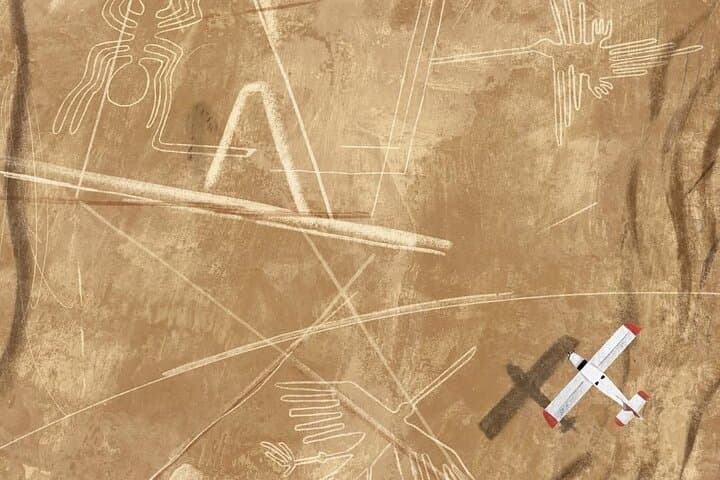


You step off the bus in Cusco with Andes air pulling at your sleeves and a city that still speaks in Inca stones and colonial bells. Over eight days this trip moves like a well-paced story—from Lima’s ocean bluffs to the desert hush of Huacachina, the winged cliffs of the Ballestas, the eerie Nazca lines below, and finally up into the high valleys that gave rise to the Inca.
You step off the bus in Cusco with Andes air pulling at your sleeves and a city that still speaks in Inca stones and colonial bells. Over eight days this trip moves like a well-paced story—from Lima’s ocean bluffs to the desert hush of Huacachina, the winged cliffs of the Ballestas, the eerie Nazca lines below, and finally up into the high valleys that gave rise to the Inca.
The route threads through multiple geologies: coastal dunes carved by wind and sand, the cold Humboldt-influenced Pacific, and the uplifted volcanic and sedimentary formations of the Andes. Cultural markers are constant—Pre-Columbian pyramids in Lima, colonial plazas, the salt terraces of Maras, and the agricultural laboratories of Moray. Machu Picchu perches at about 2,430 m, its stonework revealing Inca planning; Rainbow Mountain climbs toward 5,000 m with iron-rich strata bleeding bands of rust, ochre and turquoise.
Expect a mix of short walks and longer high‑altitude hikes (Rainbow Mountain involves roughly 4–6 km round trip with 400–600 m of gain depending on the trailhead). Guides handle logistics—train segments from Ollantaytambo, bus transfers, and timed Machu Picchu entries—so your job is to manage pace and acclimatization.
Practical notes: hydrate and rest in Cusco before high passes, layer for wide temperature swings, bring cash for small markets, and protect skin and lungs from intense sun and dust. The experience balances cultural immersion, wildlife sighting (Ballestas sea lions and coastal birds), and strenuous short treks—rewarded by enormous Andean panoramas and the living presence of history.