THE ADVENTURE COLLECTIVE® · Independent discovery and booking for outdoor travel

Across eight days you move from Lima’s surf-streaked coast to Nazca’s mysterious linings, then upward into the Sacred Valley and the stone citadel of Machu Picchu. Expect desert dunes, seabird colonies, high‑altitude hikes and tight logistics — all rewarding with careful acclimatization and basic hiking prep.
Across eight days you move from Lima’s surf-streaked coast to Nazca’s mysterious linings, then upward into the Sacred Valley and the stone citadel of Machu Picchu. Expect desert dunes, seabird colonies, high‑altitude hikes and tight logistics — all rewarding with careful acclimatization and basic hiking prep.
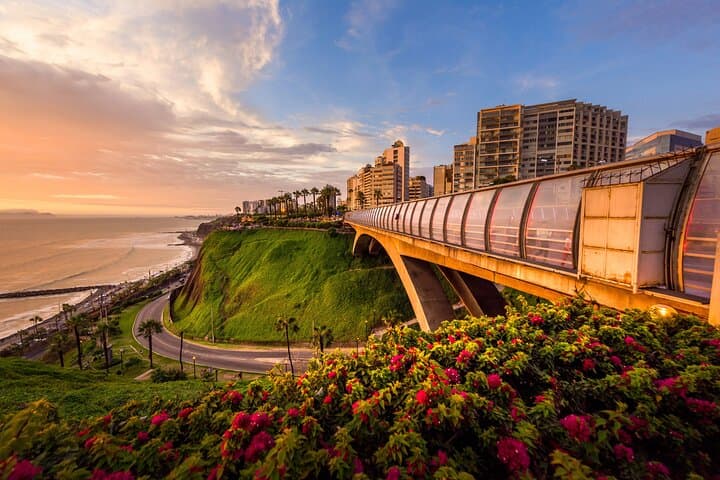
You step out of a cool Lima dawn and the city’s Pacific breath pushes you toward a long, layered country — salt flats and desert, high puna and cloud forest. By day two the Ballestas Islands have sea lions barking like an impatient crowd while the Paracas cliffs stare back, wind scouring gulls into curtains. Later the Nazca plateau unfurls below a light aircraft, the geoglyphs lying flat and deliberate as if the earth itself drew a message.
Verified experiences and guided adventures in the surrounding area.
Operated by Machupicchu Holiday · Cusco, Cusco Region
You step out of a cool Lima dawn and the city’s Pacific breath pushes you toward a long, layered country — salt flats and desert, high puna and cloud forest. By day two the Ballestas Islands have sea lions barking like an impatient crowd while the Paracas cliffs stare back, wind scouring gulls into curtains. Later the Nazca plateau unfurls below a light aircraft, the geoglyphs lying flat and deliberate as if the earth itself drew a message.
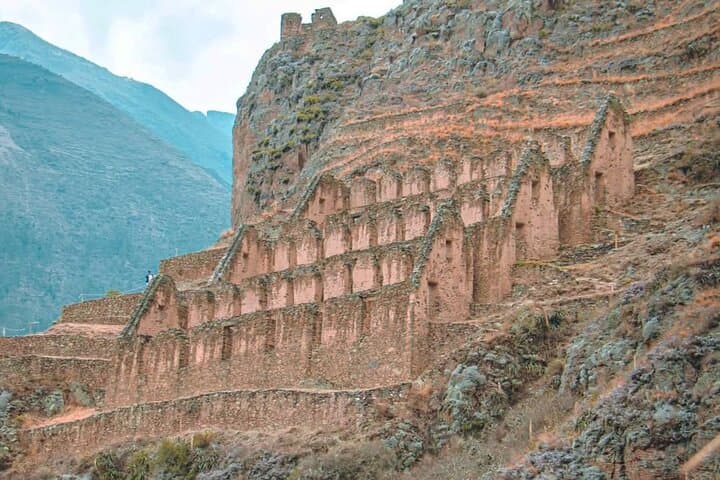
The trip threads colonial Lima, pre-Inca Nazca, and the height of Inca engineering around Cusco. Geology shifts fast: coastal dunes and marine terraces give way to volcanic and Andean uplift; the Sacred Valley’s river-carved terraces and Moray’s concentric agricultural laboratories tell an agricultural story older than the Spanish plazas. Machu Picchu (approx. 2,430 m) is a stone city clinging to a ridge; Rainbow Mountain (Vinicunca) rises above 5,000 m in oxidized stripes scored by mineral layers and glacial input.
Practical edge: allow 24–48 hours to acclimatize in Cusco (3,400 m) before Rainbow Mountain, carry sun protection for coastal and high-altitude sun, and expect mixed terrain—paved streets, sandy dunes, compact dirt trails and steep high‑altitude switchbacks. Train travel from Ollantaytambo to Aguas Calientes is about 90–120 minutes; guided Machu Picchu walks run ~2 hours on stone terraces. Hydrate early, pace on climbs, pack layers for temperature swings from sea level to 5,000 m, and keep passport and printed Machu Picchu ticket handy for gate checks.
challenging.
8 days.
Moderate to strong cardiovascular fitness recommended; expect several days at altitude and multi-hour hikes with short steep sections.
Yes — you must present your passport (or national ID for some nationals) together with your entry ticket at the Machu Picchu gate.
Expect a 2–3 hour round trip from the parking area with roughly 400–700 m elevation gain depending on start point; steep and thin air make it strenuous for the unacclimatized.
Trains take roughly 90–120 minutes depending on the service; booking in advance is advised during high season.
The small aircraft require tight turns to view figures, which can be uncomfortable; bring motion sickness medication if you’re prone to airsickness.
The itinerary spans cultures: Nazca engineers built desert geoglyphs centuries before the Inca, who later molded the Sacred Valley into terraced agriculture and administrative centers like Ollantaytambo.
Machu Picchu and Rainbow Mountain have visitor limits and regulated trails—stick to marked paths, avoid litter, and use local services to support community conservation.
Machupicchu Holiday operates guided outdoor trips and adventures with an emphasis on safety, stewardship, and memorable experiences.


You step out of a cool Lima dawn and the city’s Pacific breath pushes you toward a long, layered country — salt flats and desert, high puna and cloud forest. By day two the Ballestas Islands have sea lions barking like an impatient crowd while the Paracas cliffs stare back, wind scouring gulls into curtains. Later the Nazca plateau unfurls below a light aircraft, the geoglyphs lying flat and deliberate as if the earth itself drew a message.
You step out of a cool Lima dawn and the city’s Pacific breath pushes you toward a long, layered country — salt flats and desert, high puna and cloud forest. By day two the Ballestas Islands have sea lions barking like an impatient crowd while the Paracas cliffs stare back, wind scouring gulls into curtains. Later the Nazca plateau unfurls below a light aircraft, the geoglyphs lying flat and deliberate as if the earth itself drew a message.
The trip threads colonial Lima, pre-Inca Nazca, and the height of Inca engineering around Cusco. Geology shifts fast: coastal dunes and marine terraces give way to volcanic and Andean uplift; the Sacred Valley’s river-carved terraces and Moray’s concentric agricultural laboratories tell an agricultural story older than the Spanish plazas. Machu Picchu (approx. 2,430 m) is a stone city clinging to a ridge; Rainbow Mountain (Vinicunca) rises above 5,000 m in oxidized stripes scored by mineral layers and glacial input.
Practical edge: allow 24–48 hours to acclimatize in Cusco (3,400 m) before Rainbow Mountain, carry sun protection for coastal and high-altitude sun, and expect mixed terrain—paved streets, sandy dunes, compact dirt trails and steep high‑altitude switchbacks. Train travel from Ollantaytambo to Aguas Calientes is about 90–120 minutes; guided Machu Picchu walks run ~2 hours on stone terraces. Hydrate early, pace on climbs, pack layers for temperature swings from sea level to 5,000 m, and keep passport and printed Machu Picchu ticket handy for gate checks.