THE ADVENTURE COLLECTIVE® · Independent discovery and booking for outdoor travel

Move from Lima’s colonial museums to Cusco’s high plazas, thread the Sacred Valley’s terraces, and end on the wind-swept islands of Lake Titicaca. This 8-day route pairs archaeology with high-altitude landscapes and local living traditions.
Move from Lima’s colonial museums to Cusco’s high plazas, thread the Sacred Valley’s terraces, and end on the wind-swept islands of Lake Titicaca. This 8-day route pairs archaeology with high-altitude landscapes and local living traditions.
The first light over Lima gives way to Andean air by day two: thin, cool, and sharp against the nostrils as the bus winds up to Cusco at ~3,400 m. Travelers step from colonial plazas into cobbled alleys, then higher still to terraces and ramparts carved by the Incas. On day five the train from Ollantaytambo threads the Urubamba canyon for roughly 1.5–2 hours; a short 25-minute bus climb brings visitors to Machu Picchu at about 2,430 m, where stepped agricultural platforms and stone temples press against the ridge.
Verified experiences and guided adventures in the surrounding area.
Operated by VIPAC Travel · Cusco, Cusco Region
The first light over Lima gives way to Andean air by day two: thin, cool, and sharp against the nostrils as the bus winds up to Cusco at ~3,400 m. Travelers step from colonial plazas into cobbled alleys, then higher still to terraces and ramparts carved by the Incas. On day five the train from Ollantaytambo threads the Urubamba canyon for roughly 1.5–2 hours; a short 25-minute bus climb brings visitors to Machu Picchu at about 2,430 m, where stepped agricultural platforms and stone temples press against the ridge.
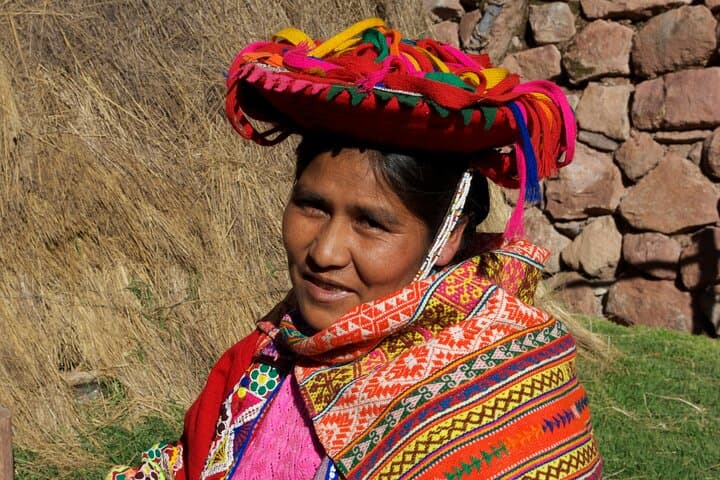
This itinerary stitches three Perus together—coastal Lima’s colonial and pre-Columbian collections, Cusco’s imperial heart and nearby Inca sites (Sacsayhuamán, Q’enqo), the Sacred Valley with Moray’s concentric terraces and Ollantaytambo’s fortress, then the high plateau to Puno and Lake Titicaca at ~3,812 m. Geology shifts from coastal plains to folded Andes, with river-cut canyons and uplifted volcanic sediments shaping the valleys. Culturally the trip highlights Quechua weaving techniques in Chinchero and the living island communities of Uros and Taquile.
Practically: the tour runs 8 days/7 nights with train and shared transfers included; mornings matter—internal flights into Cusco should arrive early. Altitude is the trip’s real challenge: drink water, avoid heavy exertion the first 24–48 hours, and carry altitude medication if you're prone to symptoms. Footwear with good traction is essential for uneven stone stairways and terraces. Bring layered clothing for temperature swings, small cash for markets, and copies of travel documents for train and site confirmations.
moderate.
8 days.
Moderate fitness recommended: comfortable on uneven terrain and stairs; prepare for walking several hours on some days and altitude.
Yes—several itinerary points exceed 3,500 m and La Raya reaches ~4,800 m. Allow time to acclimatize, hydrate, avoid heavy meals and consult your doctor about medication.
Round-trip railway tickets to Machu Picchu are included according to the selected hotel category; specific Machu Picchu circuit routes will be confirmed prior to ticket issuance.
Walks include uneven stone streets, staircases and terraces; most days involve 2–4 hours of walking but routes are manageable for people with moderate fitness.
Passport name, number, expiry and country are required at booking; failure to provide them may prevent confirmation of your tour and entry tickets.
Cusco was the Inca capital and the Sacred Valley served as an agricultural heartland; Moray's concentric terraces functioned as experimental microclimate farms.
Machu Picchu now uses timed circuits to limit erosion and crowding; respect local rules, avoid single-use plastics, and support community-run visits on Taquile and Uros.
VIPAC Travel operates guided outdoor trips and adventures with an emphasis on safety, stewardship, and memorable experiences.
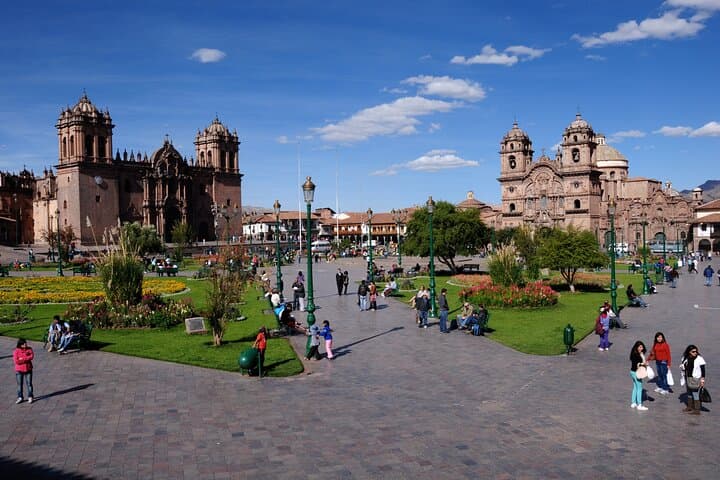
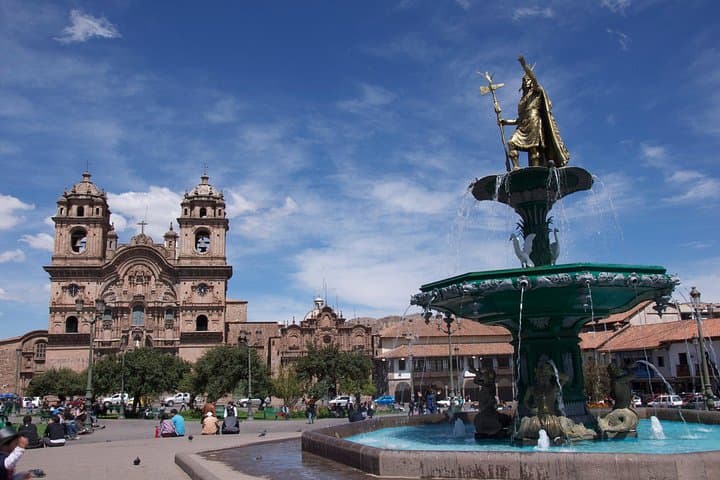
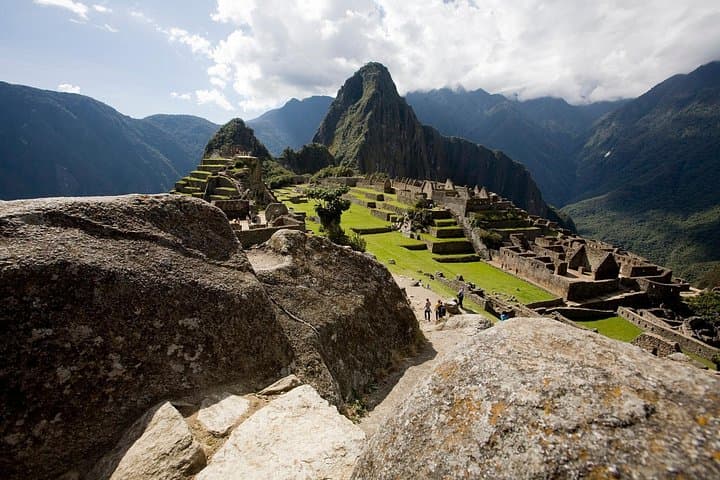
The first light over Lima gives way to Andean air by day two: thin, cool, and sharp against the nostrils as the bus winds up to Cusco at ~3,400 m. Travelers step from colonial plazas into cobbled alleys, then higher still to terraces and ramparts carved by the Incas. On day five the train from Ollantaytambo threads the Urubamba canyon for roughly 1.5–2 hours; a short 25-minute bus climb brings visitors to Machu Picchu at about 2,430 m, where stepped agricultural platforms and stone temples press against the ridge.
The first light over Lima gives way to Andean air by day two: thin, cool, and sharp against the nostrils as the bus winds up to Cusco at ~3,400 m. Travelers step from colonial plazas into cobbled alleys, then higher still to terraces and ramparts carved by the Incas. On day five the train from Ollantaytambo threads the Urubamba canyon for roughly 1.5–2 hours; a short 25-minute bus climb brings visitors to Machu Picchu at about 2,430 m, where stepped agricultural platforms and stone temples press against the ridge.
This itinerary stitches three Perus together—coastal Lima’s colonial and pre-Columbian collections, Cusco’s imperial heart and nearby Inca sites (Sacsayhuamán, Q’enqo), the Sacred Valley with Moray’s concentric terraces and Ollantaytambo’s fortress, then the high plateau to Puno and Lake Titicaca at ~3,812 m. Geology shifts from coastal plains to folded Andes, with river-cut canyons and uplifted volcanic sediments shaping the valleys. Culturally the trip highlights Quechua weaving techniques in Chinchero and the living island communities of Uros and Taquile.
Practically: the tour runs 8 days/7 nights with train and shared transfers included; mornings matter—internal flights into Cusco should arrive early. Altitude is the trip’s real challenge: drink water, avoid heavy exertion the first 24–48 hours, and carry altitude medication if you're prone to symptoms. Footwear with good traction is essential for uneven stone stairways and terraces. Bring layered clothing for temperature swings, small cash for markets, and copies of travel documents for train and site confirmations.