THE ADVENTURE COLLECTIVE® · Independent discovery and booking for outdoor travel

Follow the Omo River from Addis Ababa into a world of market days, lip‑plate rituals and terraced farms. This eight‑day cultural safari mixes remote villages, UNESCO sites and lake boat trips with long drives on unpaved roads—ideal for travelers ready for immersive, respectful encounters.
Follow the Omo River from Addis Ababa into a world of market days, lip‑plate rituals and terraced farms. This eight‑day cultural safari mixes remote villages, UNESCO sites and lake boat trips with long drives on unpaved roads—ideal for travelers ready for immersive, respectful encounters.
A dust-licked 4x4 peels away from Addis Ababa and the landscape loosens—coffee terraces give way to dry ridgelines and the Omo River begins to call. By the second day you’re threading highland footpaths past Dorze beehive houses, the reed-thatch roofs creaking like pages as elders weave cotton on low looms. The route follows the river’s west bank, a corridor of human history where stelae, rock-hewn churches and living villages sit side by side.
Verified experiences and guided adventures in the surrounding area.
Operated by Vowland Ethiopia Tour · Arba Minch, Southern Nations, Nationalities, and Peoples' Region
A dust-licked 4x4 peels away from Addis Ababa and the landscape loosens—coffee terraces give way to dry ridgelines and the Omo River begins to call. By the second day you’re threading highland footpaths past Dorze beehive houses, the reed-thatch roofs creaking like pages as elders weave cotton on low looms. The route follows the river’s west bank, a corridor of human history where stelae, rock-hewn churches and living villages sit side by side.
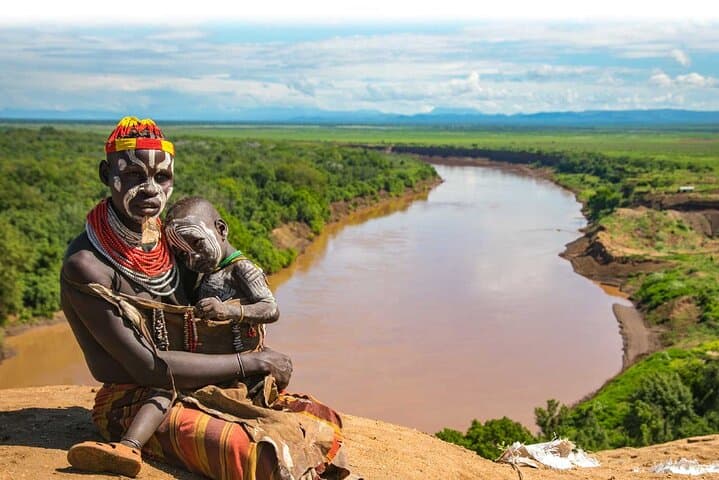
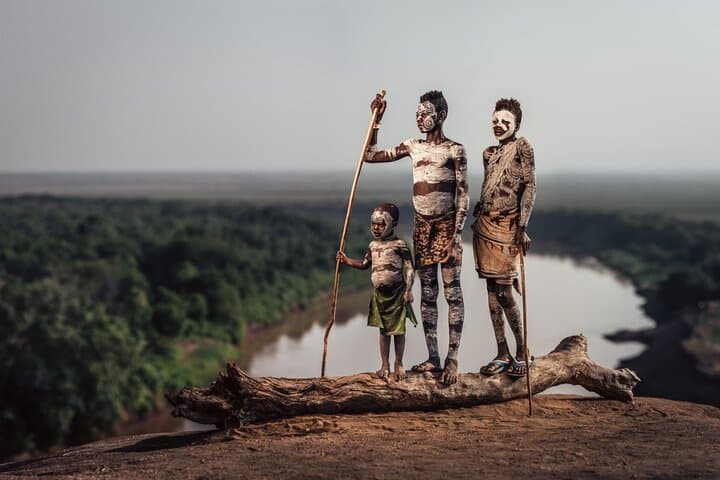
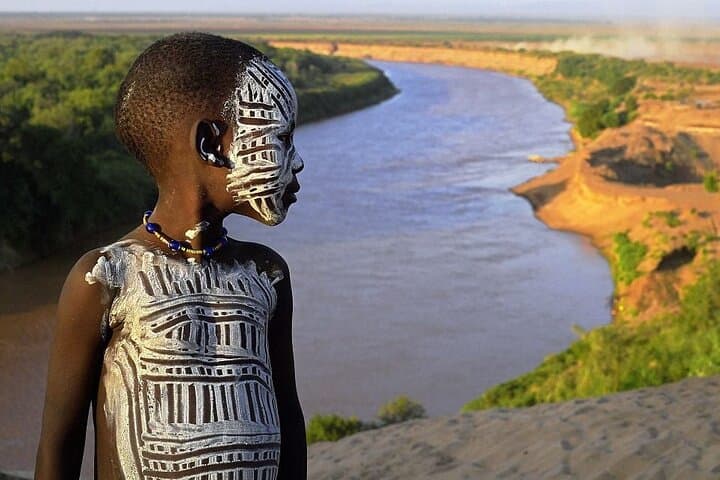
Geology here is blunt and ancient: lateritic soils, volcanic highs and braided river plains that have shaped settlement and seasonal movement for millennia. The tour visits UNESCO‑listed Tiya stelae, Melka Kunture archaeological sites, and passes through Konso’s terraced fields—human engineering that reads like a map of survival. Culture is immediate and unfiltered: Hamer ceremonies, Mursi lip plates, Dassenech river crossings and the Dorze’s woven craft traditions.
Practical guidance is straightforward. Expect long drives on unpaved roads, early starts for markets and boat launches on Lake Chamo to see hippos and crocodiles. Accommodations are a mix of lodges and simple village huts; bring cash for local admission fees and small purchases. Weather dictates logistics—heavy rains can slow transit—so flexible timing helps.
Respectful engagement matters: ask before photographing, follow your guide’s lead, and budget for community entry fees that support villages. Hydrate, pace your walking, and prepare for both cool highland mornings and hot valley afternoons—this is an immersive, layered journey into one of Africa’s most culturally rich river valleys.
moderate.
8 days.
Moderate endurance for repeatedly mounting/dismounting vehicles, short village walks, and occasional hikes; suitable for travelers in reasonable health.
Most travelers require a visa; check current Ethiopian entry requirements and obtain an e‑visa before travel where applicable.
Yes—groups and guided transfers are standard, but follow your guide’s advice, avoid wandering alone after dark and register plans with your accommodation.
Guides typically speak English; local tribes speak their own languages—interaction is mediated through guides and sometimes shared Amharic phrases.
Expect a mix: lodges in Arba Minch and Jinka, simple traditional huts or basic lodgings in remote villages; facilities vary by stop.
The lower Omo Valley is both archaeologically rich—sites like Melka Kunture show prehistoric tool use—and culturally diverse, home to tribes whose lifeways have persisted for centuries.
Tourism supports local economies but can stress resources; stick to marked paths, pay community fees, and avoid single‑use plastics to reduce impact.
Vowland Ethiopia Tour operates guided outdoor trips and adventures with an emphasis on safety, stewardship, and memorable experiences.

A dust-licked 4x4 peels away from Addis Ababa and the landscape loosens—coffee terraces give way to dry ridgelines and the Omo River begins to call. By the second day you’re threading highland footpaths past Dorze beehive houses, the reed-thatch roofs creaking like pages as elders weave cotton on low looms. The route follows the river’s west bank, a corridor of human history where stelae, rock-hewn churches and living villages sit side by side.
A dust-licked 4x4 peels away from Addis Ababa and the landscape loosens—coffee terraces give way to dry ridgelines and the Omo River begins to call. By the second day you’re threading highland footpaths past Dorze beehive houses, the reed-thatch roofs creaking like pages as elders weave cotton on low looms. The route follows the river’s west bank, a corridor of human history where stelae, rock-hewn churches and living villages sit side by side.
Geology here is blunt and ancient: lateritic soils, volcanic highs and braided river plains that have shaped settlement and seasonal movement for millennia. The tour visits UNESCO‑listed Tiya stelae, Melka Kunture archaeological sites, and passes through Konso’s terraced fields—human engineering that reads like a map of survival. Culture is immediate and unfiltered: Hamer ceremonies, Mursi lip plates, Dassenech river crossings and the Dorze’s woven craft traditions.
Practical guidance is straightforward. Expect long drives on unpaved roads, early starts for markets and boat launches on Lake Chamo to see hippos and crocodiles. Accommodations are a mix of lodges and simple village huts; bring cash for local admission fees and small purchases. Weather dictates logistics—heavy rains can slow transit—so flexible timing helps.
Respectful engagement matters: ask before photographing, follow your guide’s lead, and budget for community entry fees that support villages. Hydrate, pace your walking, and prepare for both cool highland mornings and hot valley afternoons—this is an immersive, layered journey into one of Africa’s most culturally rich river valleys.