THE ADVENTURE COLLECTIVE® · Independent discovery and booking for outdoor travel

Move from foggy rice terraces to sheer karst passes, cross a border river to Ban Gioc’s cascades, and glide on Ba Be Lake. This 8‑day route combines village treks, scenic driving and homestays for a hands-on Northern Vietnam experience.
Move from foggy rice terraces to sheer karst passes, cross a border river to Ban Gioc’s cascades, and glide on Ba Be Lake. This 8‑day route combines village treks, scenic driving and homestays for a hands-on Northern Vietnam experience.
Mist hangs low over terraced rice walls as you step out of a Sapa homestay at dawn—local children head to school, and an old path threads between thatch and stone. Over eight days this trip pushes from highland H’mong villages through the raw karst of Ha Giang to the thunder of Ban Gioc and the glassy calm of Ba Be Lake.
Verified experiences and guided adventures in the surrounding area.
Operated by Old Quarter Travel · Hanoi, Hanoi
Mist hangs low over terraced rice walls as you step out of a Sapa homestay at dawn—local children head to school, and an old path threads between thatch and stone. Over eight days this trip pushes from highland H’mong villages through the raw karst of Ha Giang to the thunder of Ban Gioc and the glassy calm of Ba Be Lake.
The route follows living history: French colonial-era hill stations in Sapa, traditional H’mong and Dao communities who weave and sew by hand, and the Dao of Ha Giang whose royal palace echoes 20th‑century frontier politics. Geologically the Ha Giang and Dong Van plateau are limestone karst sculpted into steep passes—the Ma Pi Leng reach roughly 1,100–1,200 m—while Ban Gioc is a broad, multi-tiered cascade on the China border (about 30 m tall). Ba Be Lake sits lower, carved by rivers and encircled by limestone cliffs and evergreen forest.
Expect daily activity: 3–5 hour village treks with variable elevation change (hundreds of meters), scenic drives on narrow mountain roads, a boat trip on Ba Be, and a river boat close to Ban Gioc. Practicalities are straightforward: private transport links long distances, homestays offer authentic meals and local hospitality, and an immigration fee applies at Ha Giang/Ban Gioc border areas. Pack layered clothing, reliable hiking shoes, a rain shell, and modest cash for remote villages. Altitude is moderate; pace yourself on steeper sections and use the scheduled rest stops to hydrate and refill. This itinerary balances cultural contact and landscape—it's about small trails, steep views, and getting close to places few travelers linger.
moderate.
8 days.
Suitable for travelers with regular aerobic fitness who can walk 3–5 hours on uneven trails and manage short steep sections.
You should be comfortable walking 3–5 hours on uneven trails and able to handle short steep climbs; the tour is paced for varied fitness but not for technical mountaineering.
Vietnam entry visa rules depend on nationality; the tour notes an immigration fee applies in Ha Giang and Ban Gioc—carry passport and any required permits provided at booking.
Nights alternate between 3‑star hotels and local homestays—expect simple, clean rooms in villages and more standard amenities in towns.
Local kitchens generally accommodate common requests; disclose allergies or diet needs at booking so guides can prepare suitable meals.
Northern Vietnam’s highlands retain traces of French colonial outposts and local autonomous leaders like the H’mong Vuong dynasty—palaces and architecture in Dong Van reflect that layered past.
These regions are ecologically sensitive; stick to marked trails, avoid single-use plastics when possible, and support homestays and local guides to keep economic benefits local.
Old Quarter Travel operates guided outdoor trips and adventures with an emphasis on safety, stewardship, and memorable experiences.
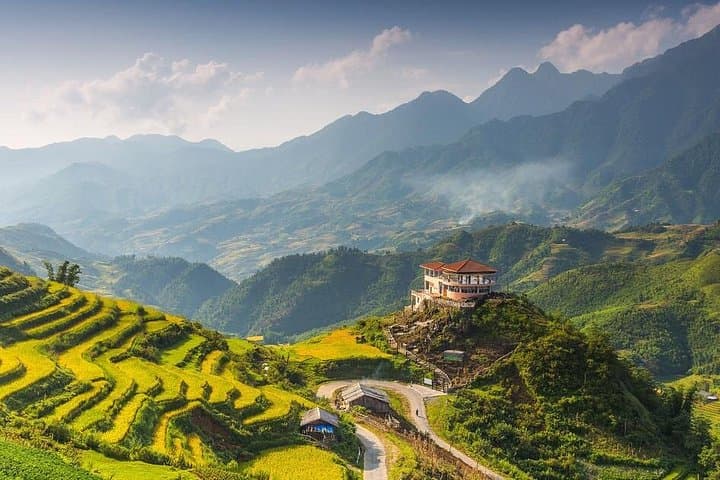
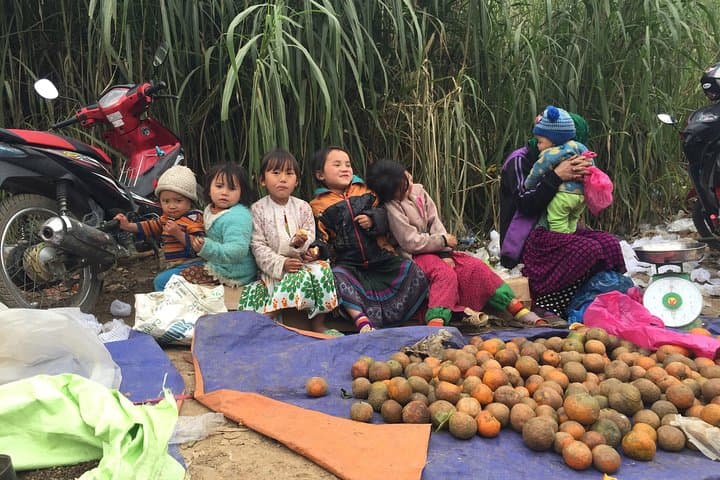
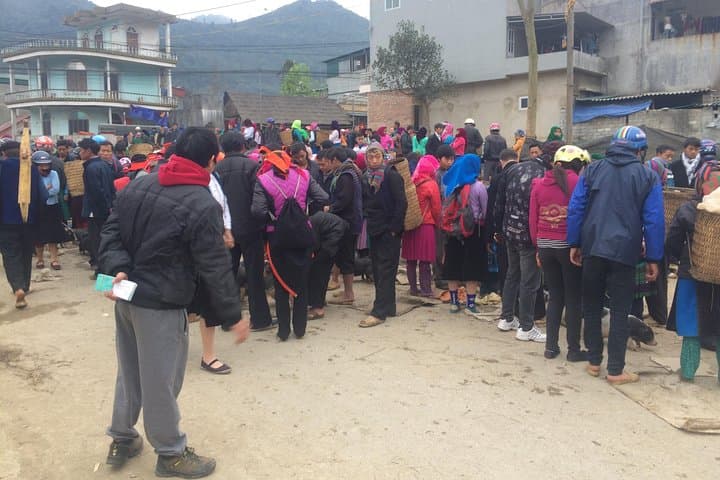
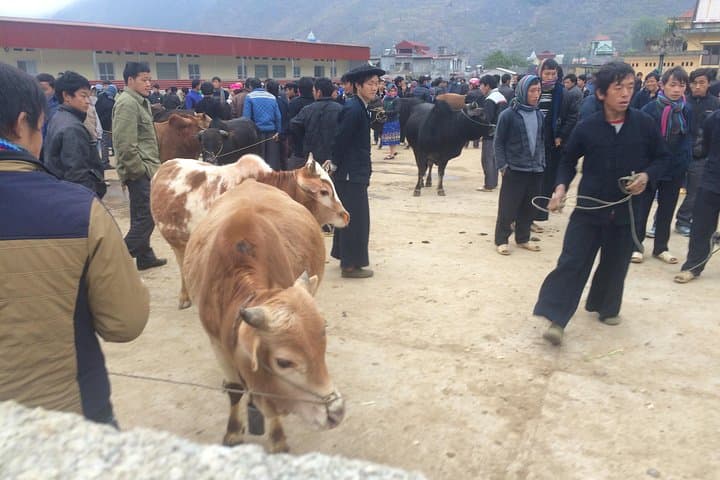
Mist hangs low over terraced rice walls as you step out of a Sapa homestay at dawn—local children head to school, and an old path threads between thatch and stone. Over eight days this trip pushes from highland H’mong villages through the raw karst of Ha Giang to the thunder of Ban Gioc and the glassy calm of Ba Be Lake.
Mist hangs low over terraced rice walls as you step out of a Sapa homestay at dawn—local children head to school, and an old path threads between thatch and stone. Over eight days this trip pushes from highland H’mong villages through the raw karst of Ha Giang to the thunder of Ban Gioc and the glassy calm of Ba Be Lake.
The route follows living history: French colonial-era hill stations in Sapa, traditional H’mong and Dao communities who weave and sew by hand, and the Dao of Ha Giang whose royal palace echoes 20th‑century frontier politics. Geologically the Ha Giang and Dong Van plateau are limestone karst sculpted into steep passes—the Ma Pi Leng reach roughly 1,100–1,200 m—while Ban Gioc is a broad, multi-tiered cascade on the China border (about 30 m tall). Ba Be Lake sits lower, carved by rivers and encircled by limestone cliffs and evergreen forest.
Expect daily activity: 3–5 hour village treks with variable elevation change (hundreds of meters), scenic drives on narrow mountain roads, a boat trip on Ba Be, and a river boat close to Ban Gioc. Practicalities are straightforward: private transport links long distances, homestays offer authentic meals and local hospitality, and an immigration fee applies at Ha Giang/Ban Gioc border areas. Pack layered clothing, reliable hiking shoes, a rain shell, and modest cash for remote villages. Altitude is moderate; pace yourself on steeper sections and use the scheduled rest stops to hydrate and refill. This itinerary balances cultural contact and landscape—it's about small trails, steep views, and getting close to places few travelers linger.