THE ADVENTURE COLLECTIVE® · Independent discovery and booking for outdoor travel

An eight-day cultural route from Cairo to Luxor that pairs train travel and a Nile cruise with visits to the Pyramids, Philae, Kom Ombo and the Valley of the Kings. Expect guided walks on uneven stone, desert sun and riverside calm.
An eight-day cultural route from Cairo to Luxor that pairs train travel and a Nile cruise with visits to the Pyramids, Philae, Kom Ombo and the Valley of the Kings. Expect guided walks on uneven stone, desert sun and riverside calm.
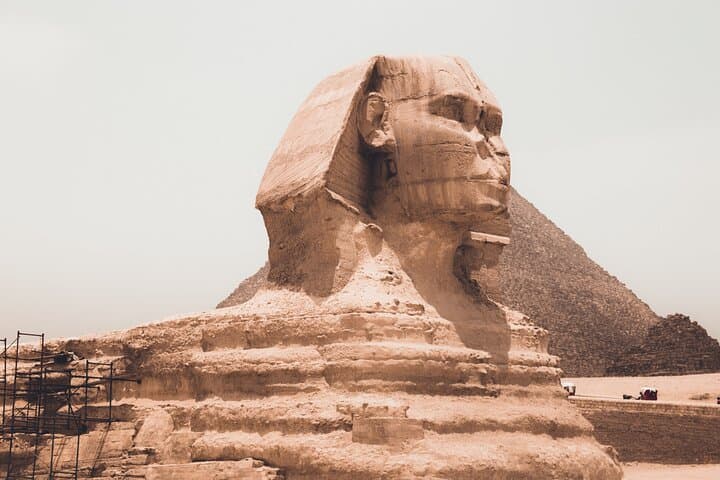
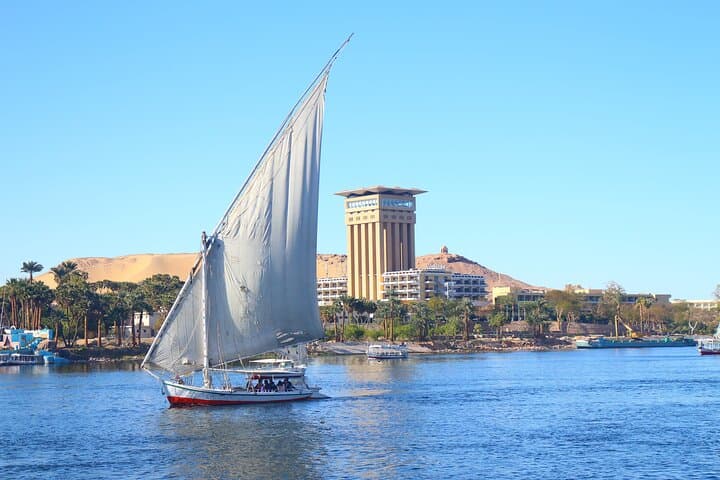
You step out of Cairo’s early light into a city that keeps one eye on millennia and the other on the present: the Pyramids loom across a wind-scoured plain while the Nile threads green through sand and stone.
Verified experiences and guided adventures in the surrounding area.
Operated by Beyond Tourz · Cairo, Cairo Governorate
You step out of Cairo’s early light into a city that keeps one eye on millennia and the other on the present: the Pyramids loom across a wind-scoured plain while the Nile threads green through sand and stone.
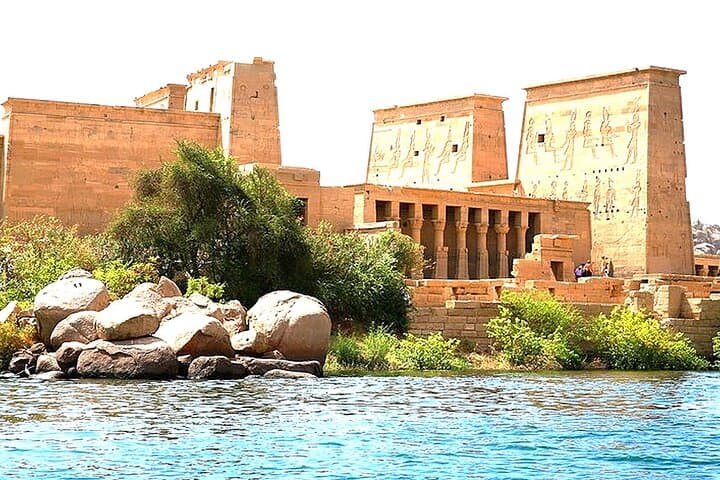
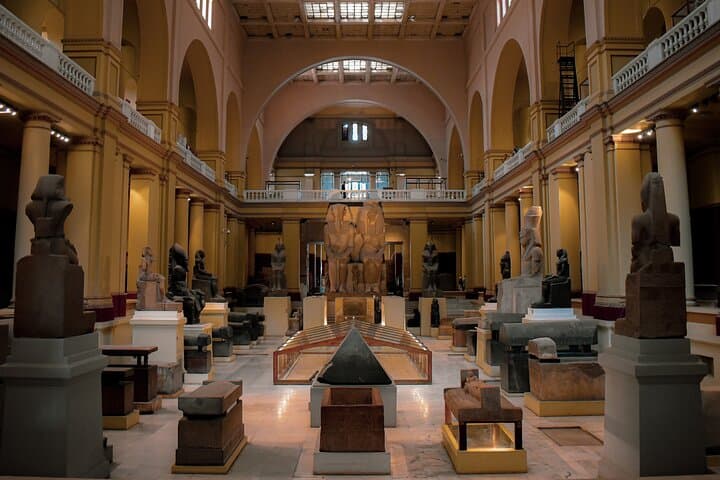
This eight-day itinerary stitches Cairo, Aswan and Luxor into a single line of history — pharaohs, temples and river crossings. In Cairo you’ll confront the geometric confidence of Giza and the dense catalog of the Egyptian Museum; south along the Nile the Philae Temple sits like a storybook island relocated to Agilkia after the High Dam reshaped the landscape. Kom Ombo’s twin dedication to Sobek and Horus recalls the river’s dual life as giver and challenger. Luxor’s east and west banks offer open-air libraries of carved names and painted afterlives: Karnak’s ramps and the Valley of the Kings’ cool tomb passages.
Geology here is simple and brutal: Nile silt against Precambrian and limestone bedrock, cliffs worn to terraces where temples anchor human memory. The culture is equally tangible — Arabic rhythms in bazaars, the measured hospitality of small hotels and cruise crews.
Practical edge: expect moderate walking on uneven stone, hot sun and dusty surfaces; pack sun protection, sturdy shoes and copies of travel documents. Trains and a mid-river cruise move you between hubs, so travel-light daypacks and flexible clothes matter. Early mornings and late afternoons are best for photography and heat avoidance. Bring cash for small purchases and allow patience — timings shift with river and rail. This is a travel rhythm that asks you to slow down and let the Nile set the pace.
easy.
8 days.
Generally suitable for travelers in average shape; includes walking on uneven ground and climbing short stone steps.
Most visitors require a tourist visa; many nationalities can obtain an e-visa online before arrival or a visa on arrival — check current embassy guidance before travel.
The tour is rated easy physically but involves frequent walking on uneven surfaces and short climbs; comfortable mobility is recommended.
This itinerary lists some transport and transfers as included, but site admission fees and optional extras may not be covered — confirm with the operator when booking.
Egyptian pounds (EGP) are standard; small cash tips are customary for guides, drivers and cruise staff, and bargaining is normal in bazaars.
The Nile corridor sustained pharaonic civilization for millennia; modern towns grew around these same river access points and layered new cultures atop ancient ones.
Rising tourism and the Aswan High Dam changed river ecology and local water tables — choose operators who support responsible waste management and respect archaeological site rules.
Beyond Tourz operates guided outdoor trips and adventures with an emphasis on safety, stewardship, and memorable experiences.
You step out of Cairo’s early light into a city that keeps one eye on millennia and the other on the present: the Pyramids loom across a wind-scoured plain while the Nile threads green through sand and stone.
You step out of Cairo’s early light into a city that keeps one eye on millennia and the other on the present: the Pyramids loom across a wind-scoured plain while the Nile threads green through sand and stone.
This eight-day itinerary stitches Cairo, Aswan and Luxor into a single line of history — pharaohs, temples and river crossings. In Cairo you’ll confront the geometric confidence of Giza and the dense catalog of the Egyptian Museum; south along the Nile the Philae Temple sits like a storybook island relocated to Agilkia after the High Dam reshaped the landscape. Kom Ombo’s twin dedication to Sobek and Horus recalls the river’s dual life as giver and challenger. Luxor’s east and west banks offer open-air libraries of carved names and painted afterlives: Karnak’s ramps and the Valley of the Kings’ cool tomb passages.
Geology here is simple and brutal: Nile silt against Precambrian and limestone bedrock, cliffs worn to terraces where temples anchor human memory. The culture is equally tangible — Arabic rhythms in bazaars, the measured hospitality of small hotels and cruise crews.
Practical edge: expect moderate walking on uneven stone, hot sun and dusty surfaces; pack sun protection, sturdy shoes and copies of travel documents. Trains and a mid-river cruise move you between hubs, so travel-light daypacks and flexible clothes matter. Early mornings and late afternoons are best for photography and heat avoidance. Bring cash for small purchases and allow patience — timings shift with river and rail. This is a travel rhythm that asks you to slow down and let the Nile set the pace.