THE ADVENTURE COLLECTIVE® · Independent discovery and booking for outdoor travel

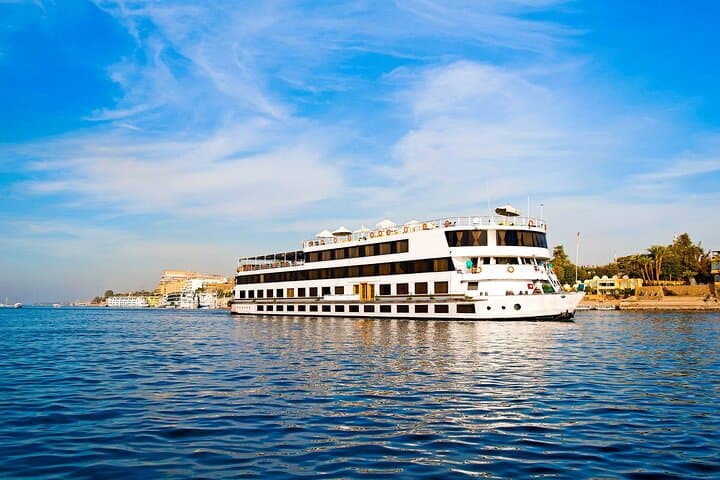
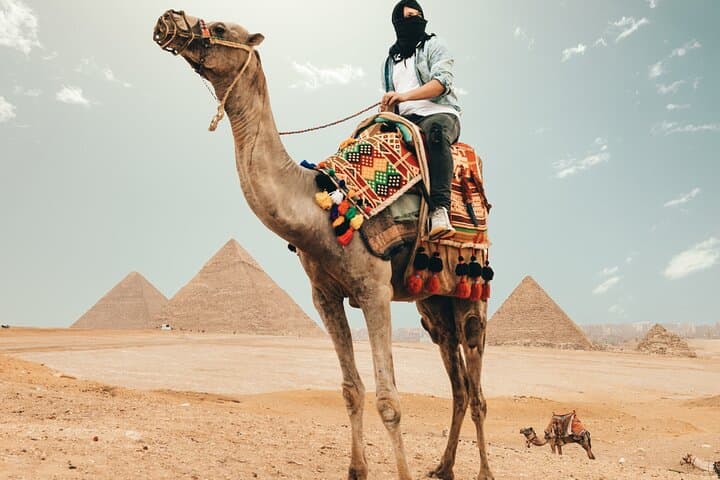
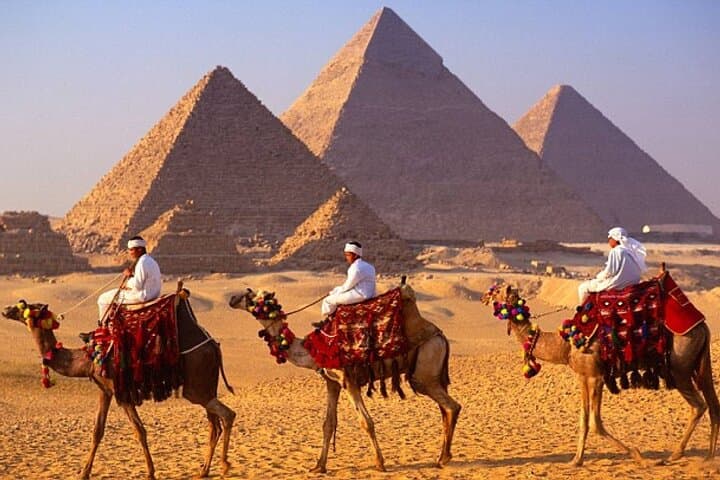
An eight-day loop from Cairo to Aswan mixing city sights with a four-night Nile cruise. Visit the Giza pyramids, Luxor temples, Valley of the Kings, Edfu and Kom Ombo while traveling between iconic ancient sites and modern Egyptian culture.
An eight-day loop from Cairo to Aswan mixing city sights with a four-night Nile cruise. Visit the Giza pyramids, Luxor temples, Valley of the Kings, Edfu and Kom Ombo while traveling between iconic ancient sites and modern Egyptian culture.
You step out of Cairo’s airport into a hum of traffic and warm air; within two days you’ll be trading the city’s pulse for the slow, green current of the Nile as it pushes the cruise south toward ancient stone and sudden desert light.
Verified experiences and guided adventures in the surrounding area.
Operated by Book Egypt Trips · Cairo, Cairo Governorate
You step out of Cairo’s airport into a hum of traffic and warm air; within two days you’ll be trading the city’s pulse for the slow, green current of the Nile as it pushes the cruise south toward ancient stone and sudden desert light.
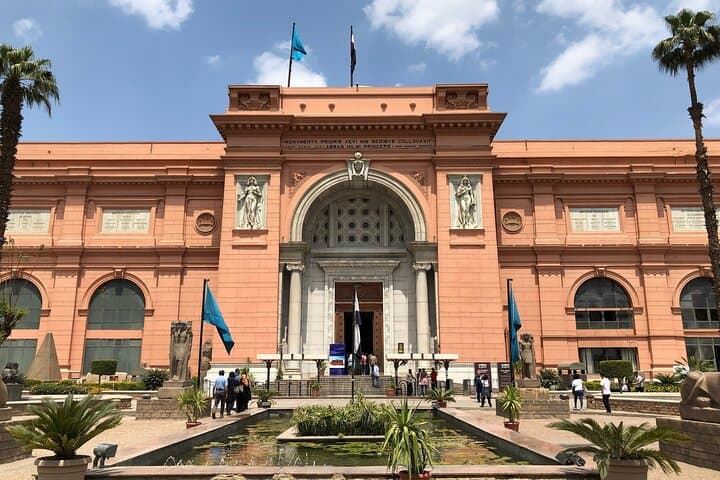
This eight-day loop threads modern Cairo with pharaonic Thebes: the Giza pyramids and the Egyptian Museum’s troves, then a four-night Nile cruise from Luxor to Aswan visiting Karnak, the Valley of the Kings, Hatshepsut’s mortuary temple, Edfu’s Horus temple, Kom Ombo’s double sanctuary and Philae’s island shrine. Geology and engineering meet here — sandstone tombs hewn into the Nile’s floodplain, granite obelisks quarried from Aswan’s bedrock, and the 20th‑century High Dam that reshaped the river.
Culture is immediate: vendors at the souk, Nubian folktales on the riverbank, and evening decks where the breeze carries tea and conversation. The Nile acts like a patient guide, urging you to slow your pace and read inscriptions with daylight.
Practical guidance: internal flights link Cairo, Luxor and Aswan to save time; bring sun protection, a reusable water bottle and layered clothing for cool desert mornings and hot afternoons. Modest dress aids access to religious sites; comfortable closed shoes suit uneven temple stones. Carry local currency for tips and small purchases and keep passports handy for museum entries. Expect guided days with free afternoons—balance planning with room for quiet river watching.
moderate.
8 days.
Suitable for travelers who can handle multiple walking tours of 1–3 hours per day and boarding a small ship and shuttles.
Most core boat and cruise accommodations are included, but some temple or hot-air balloon fees and optional excursions may require extra payment.
Many nationalities require a visa—check current Egyptian embassy rules and secure either an e-visa or visa on arrival before travel.
The tour is paced for general fitness, with guided walking; families and seniors comfortable with moderate walking and transfers typically can participate.
Transfers are provided and baggage is loaded by staff, but keep essentials and documents in carry-on during transfers.
The route links ancient capitals — Memphis and Thebes — where pharaohs built temples, tombs and obelisks that anchored Egyptian religion and statecraft for millennia.
The Nile’s ecology and archaeological sites face pressures from tourism and development; stick to marked paths, avoid climbing monuments and minimize single-use plastics to reduce impact.
Book Egypt Trips operates guided outdoor trips and adventures with an emphasis on safety, stewardship, and memorable experiences.
You step out of Cairo’s airport into a hum of traffic and warm air; within two days you’ll be trading the city’s pulse for the slow, green current of the Nile as it pushes the cruise south toward ancient stone and sudden desert light.
You step out of Cairo’s airport into a hum of traffic and warm air; within two days you’ll be trading the city’s pulse for the slow, green current of the Nile as it pushes the cruise south toward ancient stone and sudden desert light.
This eight-day loop threads modern Cairo with pharaonic Thebes: the Giza pyramids and the Egyptian Museum’s troves, then a four-night Nile cruise from Luxor to Aswan visiting Karnak, the Valley of the Kings, Hatshepsut’s mortuary temple, Edfu’s Horus temple, Kom Ombo’s double sanctuary and Philae’s island shrine. Geology and engineering meet here — sandstone tombs hewn into the Nile’s floodplain, granite obelisks quarried from Aswan’s bedrock, and the 20th‑century High Dam that reshaped the river.
Culture is immediate: vendors at the souk, Nubian folktales on the riverbank, and evening decks where the breeze carries tea and conversation. The Nile acts like a patient guide, urging you to slow your pace and read inscriptions with daylight.
Practical guidance: internal flights link Cairo, Luxor and Aswan to save time; bring sun protection, a reusable water bottle and layered clothing for cool desert mornings and hot afternoons. Modest dress aids access to religious sites; comfortable closed shoes suit uneven temple stones. Carry local currency for tips and small purchases and keep passports handy for museum entries. Expect guided days with free afternoons—balance planning with room for quiet river watching.