THE ADVENTURE COLLECTIVE® · Independent discovery and booking for outdoor travel

Explore colonial León and Granada, stand at an active volcanic rim, and tour shade-grown coffee at Selva Negra on this compact 8-day loop through Nicaragua’s cultural and natural highlights. Expect steady walking, varied climates, and deep local flavor.
Explore colonial León and Granada, stand at an active volcanic rim, and tour shade-grown coffee at Selva Negra on this compact 8-day loop through Nicaragua’s cultural and natural highlights. Expect steady walking, varied climates, and deep local flavor.
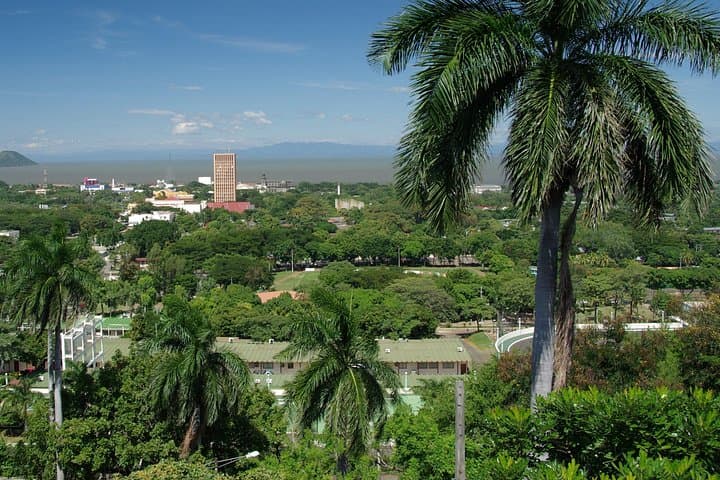
Arrival in Managua drops you into a humid city that serves as the gateway to a week of color, heat and volcanic smoke. From the rooftop of León Cathedral to the crater rims of Masaya, the landscape continually shifts — lava-browned slopes give way to lake flats and cloud-furred coffee fincas. The itinerary threads colonial plazas and churches with working farms and protected volcanoes, so travelers move between human history and living geology.
Verified experiences and guided adventures in the surrounding area.
Operated by Troy Tours · Managua, Managua
Arrival in Managua drops you into a humid city that serves as the gateway to a week of color, heat and volcanic smoke. From the rooftop of León Cathedral to the crater rims of Masaya, the landscape continually shifts — lava-browned slopes give way to lake flats and cloud-furred coffee fincas. The itinerary threads colonial plazas and churches with working farms and protected volcanoes, so travelers move between human history and living geology.
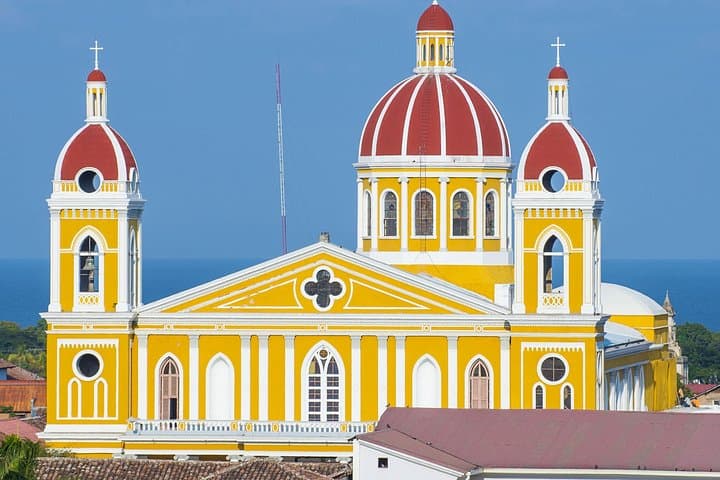
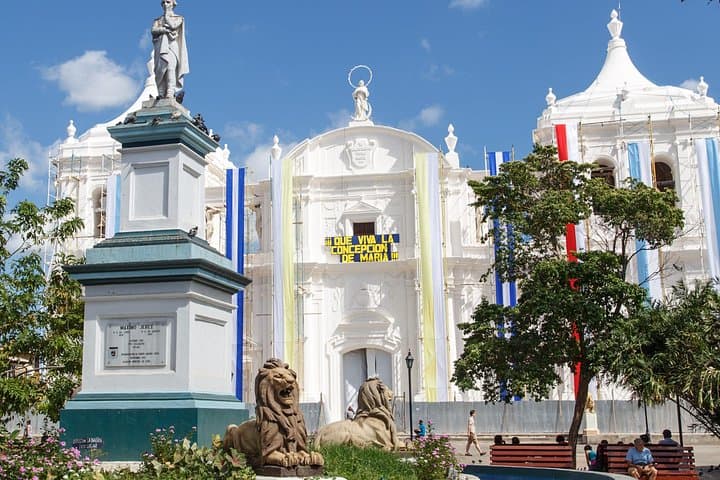
León and Granada carry Spanish-era facades and stories: Granada’s cathedral (original 1583) and León’s rooftop views recall colonial trade routes and frequent pirate raids. In the highlands, Matagalpa and Selva Negra sit at ~700 m elevation and supply much of Nicaragua’s shade-grown coffee; here soil, slope and microclimate combine to produce distinct cup profiles. Masaya Volcano National Park opens a raw geological chapter — fumaroles, basalt rims and recent lava flows remind visitors that the country is tectonically active.
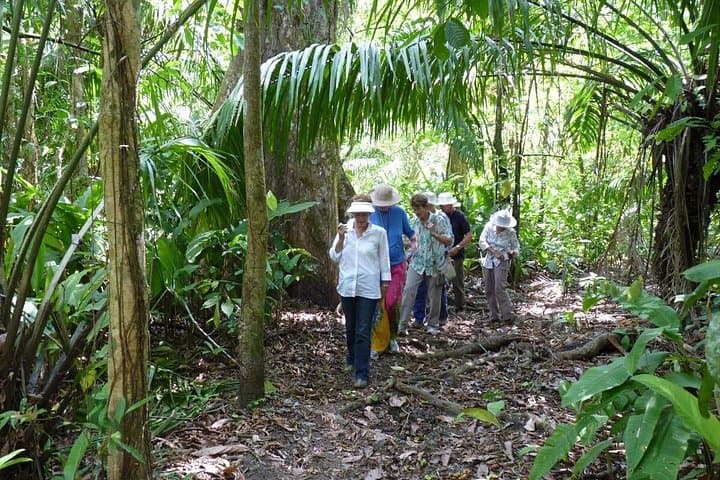
Cultural threads are equally strong: Rubén Darío’s childhood house in León, pottery workshops in San Juan de Oriente and local cooperatives at Selva Negra show crafts and community enterprise in everyday life. Wildlife appears in bursts: birdsong at dawn and the occasional troop of howler monkeys in forested slopes.
Practical guidance: plan for steady walking, variable weather (sun and sudden tropical rain), and early starts for cooler hikes and better light. Bring sun protection, a light rain layer and comfortable walking shoes; expect modest entry fees at national parks and support for locally run tours and farms.
moderate.
8 days.
Should be in good, steady condition for multiple days of walking and short hikes at modest altitude; comfortable with uneven ground and stairs.
Routine vaccinations are recommended; consult your doctor about typhoid, hepatitis A, and routine adult boosters, and check current travel health advisories before departure.
Most walking is moderate — city streets, farm trails and short volcanic rim paths; no technical climbing is required but expect uneven surfaces and stairs.
Breakfasts are included and guides can often accommodate common dietary needs if informed in advance; notify the operator during booking.
Dry season (November–April) offers more reliable access and clearer views; wet season brings lush landscapes but higher chance of afternoon rain and muddy trails.
Granada and León date back to the 16th century and have been focal points of colonial administration, trade and occasional conflict; poets like Rubén Darío are woven into León’s cultural identity.
Selva Negra operates sustainable coffee programs; visitors are encouraged to support local cooperatives and stay on designated trails to protect fragile volcanic soils and forest patches.
Troy Tours operates guided outdoor trips and adventures with an emphasis on safety, stewardship, and memorable experiences.
Arrival in Managua drops you into a humid city that serves as the gateway to a week of color, heat and volcanic smoke. From the rooftop of León Cathedral to the crater rims of Masaya, the landscape continually shifts — lava-browned slopes give way to lake flats and cloud-furred coffee fincas. The itinerary threads colonial plazas and churches with working farms and protected volcanoes, so travelers move between human history and living geology.
Arrival in Managua drops you into a humid city that serves as the gateway to a week of color, heat and volcanic smoke. From the rooftop of León Cathedral to the crater rims of Masaya, the landscape continually shifts — lava-browned slopes give way to lake flats and cloud-furred coffee fincas. The itinerary threads colonial plazas and churches with working farms and protected volcanoes, so travelers move between human history and living geology.
León and Granada carry Spanish-era facades and stories: Granada’s cathedral (original 1583) and León’s rooftop views recall colonial trade routes and frequent pirate raids. In the highlands, Matagalpa and Selva Negra sit at ~700 m elevation and supply much of Nicaragua’s shade-grown coffee; here soil, slope and microclimate combine to produce distinct cup profiles. Masaya Volcano National Park opens a raw geological chapter — fumaroles, basalt rims and recent lava flows remind visitors that the country is tectonically active.
Cultural threads are equally strong: Rubén Darío’s childhood house in León, pottery workshops in San Juan de Oriente and local cooperatives at Selva Negra show crafts and community enterprise in everyday life. Wildlife appears in bursts: birdsong at dawn and the occasional troop of howler monkeys in forested slopes.
Practical guidance: plan for steady walking, variable weather (sun and sudden tropical rain), and early starts for cooler hikes and better light. Bring sun protection, a light rain layer and comfortable walking shoes; expect modest entry fees at national parks and support for locally run tours and farms.