THE ADVENTURE COLLECTIVE® · Independent discovery and booking for outdoor travel

Witness the wildebeest calving and pulse of predator life on an eight‑day circuit through Ndutu, Serengeti and Ngorongoro. This Dec–Mar safari times your trip to the migration’s climax while balancing long game‑drive days and cultural insights.
Witness the wildebeest calving and pulse of predator life on an eight‑day circuit through Ndutu, Serengeti and Ngorongoro. This Dec–Mar safari times your trip to the migration’s climax while balancing long game‑drive days and cultural insights.
Dawn breaks over a wide, low horizon and the plains answer in a slow, relentless tide of bodies: wildebeest flowing across Ndutu’s short grass, calves wobbling and urgent, and predators threading through the grass where opportunity opens. On this eight‑day circuit from Arusha, the rhythm is dictated by the migration’s calendar—calving season between December and March—when the southern Serengeti and the Ndutu plains become a theater of life-and-death drama.
Verified experiences and guided adventures in the surrounding area.
Operated by Seven Wonders Safaris · Arusha, Arusha Region
Dawn breaks over a wide, low horizon and the plains answer in a slow, relentless tide of bodies: wildebeest flowing across Ndutu’s short grass, calves wobbling and urgent, and predators threading through the grass where opportunity opens. On this eight‑day circuit from Arusha, the rhythm is dictated by the migration’s calendar—calving season between December and March—when the southern Serengeti and the Ndutu plains become a theater of life-and-death drama.
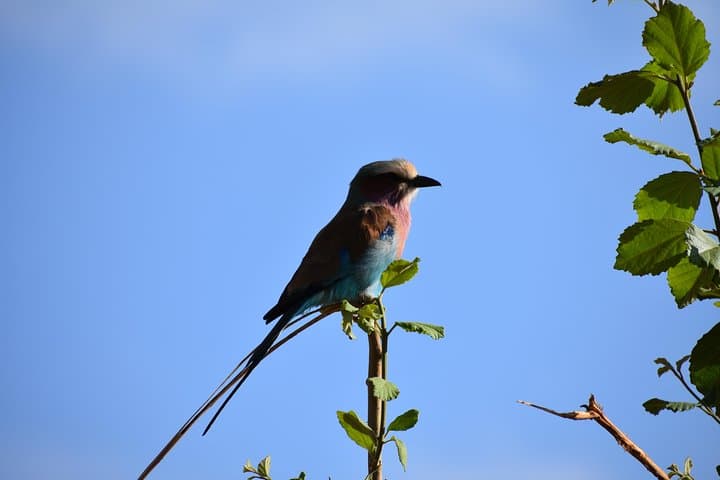
The route threads three distinct landscapes. The Serengeti’s vast short‑grass plains sit at roughly 1,300–1,600 m and are as honest as they are brutal: wind, sun and a soil that ages into rock. Ngorongoro’s rim rises to about 2,200–2,400 m before falling into a bowl-shaped crater floor near 1,700–1,800 m—an ancient volcanic collapse that now concentrates herbivores and predators. Lake Manyara, a lowland forest and soda-lake system, offers a counterpoint: dense birdlife, climbing lions and mahogany shade.
This is Maasailand as much as it is wildlife country. The Maasai have grazed cattle here for generations and manage grazing corridors that intersect game routes—tourism supports local conservation while also pressing on traditional land use. Olduvai Gorge, not far off the itinerary, is a reminder that human history here goes back millions of years; the landscape tells geological and anthropological stories at the same time it stages today’s migration.
Expect long game‑drive days. Distances between camps and parks can be 3–6 hours of bumpy 4x4 travel; roads are seasonal and often soft after rains. Elevation shifts between parks affect temperatures—mornings on the Ngorongoro rim can be brisk while Ndutu’s midday temperatures climb quickly. Guides read animal movement like weather, and the best sightings come with patience and timing rather than frantic pursuit.
Practical edge: travel light but prepared. Bring layered clothing for nights on the rim and breathable fabrics for hot game drives. A good pair of binoculars and a long lens will pay off—many scenes unfold at a distance. Hydrate frequently; carry sunscreen and a brimmed hat. Vaccination and malaria prophylaxis are advised—talk to your clinic at least a month before travel. Passports and permits are checked at park gates; your operator handles most logistics, but keep original documents handy.
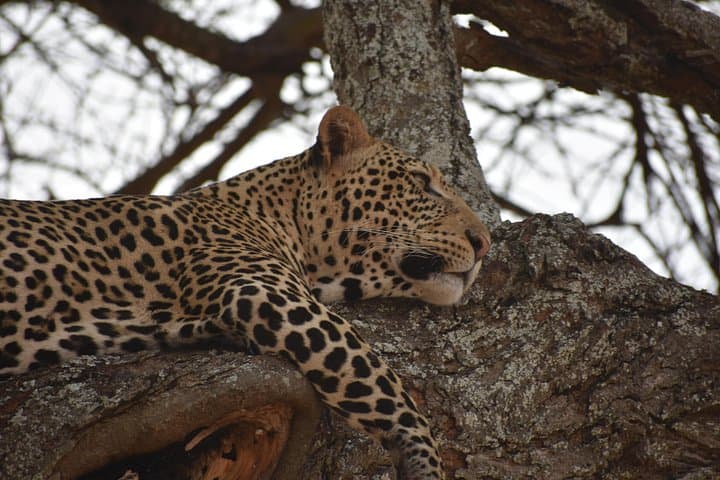
For photographers and wildlife lovers, the Ndutu calving window is unparalleled: close encounters with calves, stalking lions, and the constant churn of migration. Respect the animals, trust your guide, and let the plains decide the pace—here, the landscape moves with intent and invites you to watch closely.
moderate.
8 days.
Moderate fitness: able to handle long days in a 4x4 over bumpy roads and short walks at camp or viewpoints
Many nationalities require a visa—apply for an e‑visa before travel or obtain one on arrival where available. Check current Tanzanian government guidance.
Malaria risk exists in these regions; consult your travel clinic for appropriate prophylaxis and insect‑bite prevention.
Expect full‑day and half‑day drives; full days can be 6–10 hours including breaks depending on sightings and park distances.
Routine vaccines plus yellow fever (depending on origin), hepatitis A/B and typhoid are commonly recommended—get advice from your healthcare provider.
If you travel during Dec–Mar you’ll likely see large concentrations of calving wildebeest in Ndutu and active predator interactions, though wildlife is never guaranteed.
Lodges range from basic to luxury; expect limited cellular coverage in parts of the Serengeti and Ngorongoro, and variable power/water services depending on your accommodation level.
The Ngorongoro crater formed from a collapsed volcano millions of years ago; nearby Olduvai Gorge has yielded key hominin fossils and artifacts.
Tourism dollars fund anti‑poaching and community projects, but increasing pressure on grazing land requires ongoing coordination between conservationists and Maasai communities.
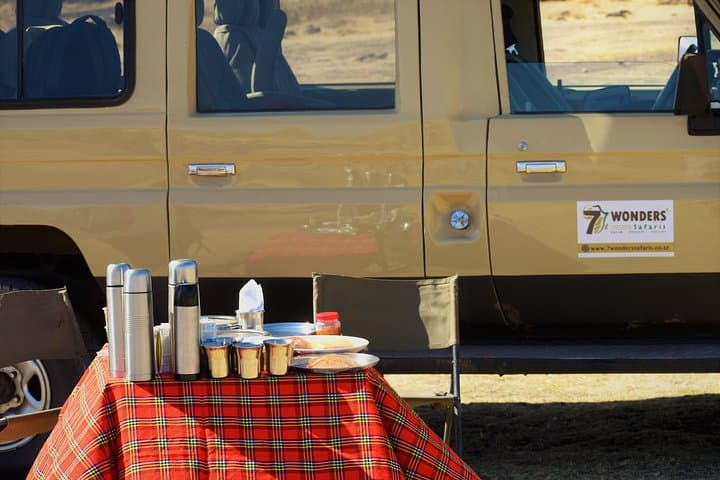
Seven Wonders Safaris operates guided outdoor trips and adventures with an emphasis on safety, stewardship, and memorable experiences.
Dawn breaks over a wide, low horizon and the plains answer in a slow, relentless tide of bodies: wildebeest flowing across Ndutu’s short grass, calves wobbling and urgent, and predators threading through the grass where opportunity opens. On this eight‑day circuit from Arusha, the rhythm is dictated by the migration’s calendar—calving season between December and March—when the southern Serengeti and the Ndutu plains become a theater of life-and-death drama.
Dawn breaks over a wide, low horizon and the plains answer in a slow, relentless tide of bodies: wildebeest flowing across Ndutu’s short grass, calves wobbling and urgent, and predators threading through the grass where opportunity opens. On this eight‑day circuit from Arusha, the rhythm is dictated by the migration’s calendar—calving season between December and March—when the southern Serengeti and the Ndutu plains become a theater of life-and-death drama.
The route threads three distinct landscapes. The Serengeti’s vast short‑grass plains sit at roughly 1,300–1,600 m and are as honest as they are brutal: wind, sun and a soil that ages into rock. Ngorongoro’s rim rises to about 2,200–2,400 m before falling into a bowl-shaped crater floor near 1,700–1,800 m—an ancient volcanic collapse that now concentrates herbivores and predators. Lake Manyara, a lowland forest and soda-lake system, offers a counterpoint: dense birdlife, climbing lions and mahogany shade.
This is Maasailand as much as it is wildlife country. The Maasai have grazed cattle here for generations and manage grazing corridors that intersect game routes—tourism supports local conservation while also pressing on traditional land use. Olduvai Gorge, not far off the itinerary, is a reminder that human history here goes back millions of years; the landscape tells geological and anthropological stories at the same time it stages today’s migration.
Expect long game‑drive days. Distances between camps and parks can be 3–6 hours of bumpy 4x4 travel; roads are seasonal and often soft after rains. Elevation shifts between parks affect temperatures—mornings on the Ngorongoro rim can be brisk while Ndutu’s midday temperatures climb quickly. Guides read animal movement like weather, and the best sightings come with patience and timing rather than frantic pursuit.
Practical edge: travel light but prepared. Bring layered clothing for nights on the rim and breathable fabrics for hot game drives. A good pair of binoculars and a long lens will pay off—many scenes unfold at a distance. Hydrate frequently; carry sunscreen and a brimmed hat. Vaccination and malaria prophylaxis are advised—talk to your clinic at least a month before travel. Passports and permits are checked at park gates; your operator handles most logistics, but keep original documents handy.
For photographers and wildlife lovers, the Ndutu calving window is unparalleled: close encounters with calves, stalking lions, and the constant churn of migration. Respect the animals, trust your guide, and let the plains decide the pace—here, the landscape moves with intent and invites you to watch closely.