THE ADVENTURE COLLECTIVE® · Independent discovery and booking for outdoor travel

Explore Nepal’s high points in eight days: ancient temples in Kathmandu, jungle safaris in Chitwan, and lakeside peace in Pokhara. This guided 3–4 star tour packs culture, wildlife and mountain scenery into a well-paced itinerary with most logistics handled.
Explore Nepal’s high points in eight days: ancient temples in Kathmandu, jungle safaris in Chitwan, and lakeside peace in Pokhara. This guided 3–4 star tour packs culture, wildlife and mountain scenery into a well-paced itinerary with most logistics handled.
You step out of Tribhuvan International Airport into warm, thin air and the noise of Kathmandu: prayer flags flutter, rickshaw bells clatter, and a guide waits with a name-board. Over the next eight days the itinerary shifts like a film reel—ancient temple squares, lowland jungle, and placid mountain lakes—each landscape asking for different senses and a different stride.
Verified experiences and guided adventures in the surrounding area.
Operated by Luxury Holidays Nepal Pvt. Ltd. · Kathmandu, Bagmati Province
You step out of Tribhuvan International Airport into warm, thin air and the noise of Kathmandu: prayer flags flutter, rickshaw bells clatter, and a guide waits with a name-board. Over the next eight days the itinerary shifts like a film reel—ancient temple squares, lowland jungle, and placid mountain lakes—each landscape asking for different senses and a different stride.
Kathmandu Valley carries layers of history: Newar palaces and medieval stupas that survived centuries of trade and empire. Geologically, the route traces Nepal’s seams—from the alluvial Terai of Chitwan where the Rapti River carves broad floodplains to the Annapurna foothills around Pokhara where moraine-strewn slopes and glacially-fed lakes reflect Machhapuchhare’s serrated ridge.
Culturally the trip balances ritual and rural life: Pashupatinath’s cremation ghats, Boudhanath’s revolving prayer wheels, and the Tharu villages outside Chitwan with their evening stick dances. Wildlife encounters range from one-horned rhinoceros in grassland clearings to shy deer and river birds on canoe trips.
Practicalities are straightforward. Expect 5–6 hour drives Kathmandu–Chitwan (160 km), 4–5 hours to Pokhara, and 6–7 hours return; elevations vary from ~150 m in Chitwan to ~1,400 m in Kathmandu and ~820 m in Pokhara. Visa-on-arrival fees (USD 30/15 days; USD 50/30 days) apply. Accommodations are 3–4 star with full board in Chitwan and guided activities included.
For comfort, pack light layers, sturdy shoes, insect repellent and a reusable water bottle. Plan morning wildlife outings and a sunrise at Sarangkot for clear mountain views; afternoons are best for cultural sites when light softens the brickwork. This tour is curated—minimal logistics, maximum variety—ideal for travellers wanting a compact but textured introduction to Nepal.
moderate.
8 days.
Suitable for travelers with average fitness; activities include short jungle walks, canoeing, and walking at heritage sites—no technical exertion.
Most travelers can obtain a tourist visa on arrival at Tribhuvan Airport (fees: USD 30 for 15 days, USD 50 for 30 days); check current requirements and have passport photos and cash ready.
Tiger sightings are possible but uncommon; one-horned rhinos, deer and diverse birdlife are more regularly seen—guides maximize your chances with early morning and late afternoon outings.
Yes—3–4 star hotels, daily breakfast, full-board in Chitwan, airport transfers and intercity tourist bus transport are included per the itinerary.
The tour is rated easy to moderate and is suitable for most ages; jungle activities may include short rides and walks—notify operators of mobility concerns so alternatives can be arranged.
Kathmandu Valley has been a political and religious crossroads for centuries, home to Newar city-states and major Hindu and Buddhist sites that predate modern Nepal.
Chitwan National Park is a UNESCO site focused on rhino and tiger conservation; visitors are asked to follow guide instructions, avoid feeding wildlife and minimize plastic use.
Luxury Holidays Nepal Pvt. Ltd. operates guided outdoor trips and adventures with an emphasis on safety, stewardship, and memorable experiences.

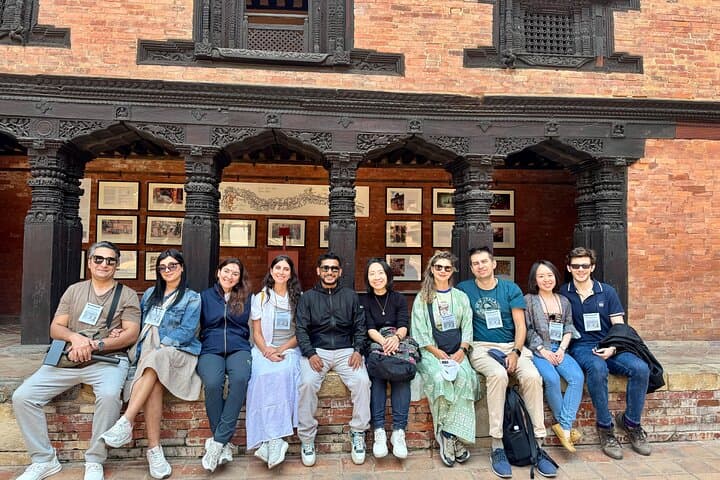
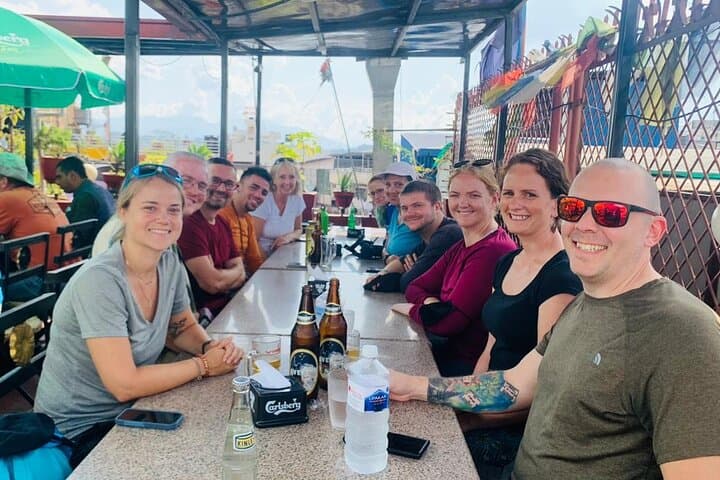
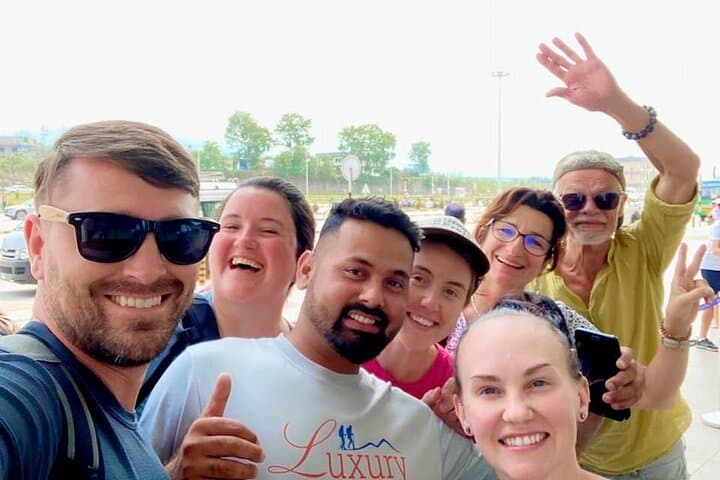
You step out of Tribhuvan International Airport into warm, thin air and the noise of Kathmandu: prayer flags flutter, rickshaw bells clatter, and a guide waits with a name-board. Over the next eight days the itinerary shifts like a film reel—ancient temple squares, lowland jungle, and placid mountain lakes—each landscape asking for different senses and a different stride.
You step out of Tribhuvan International Airport into warm, thin air and the noise of Kathmandu: prayer flags flutter, rickshaw bells clatter, and a guide waits with a name-board. Over the next eight days the itinerary shifts like a film reel—ancient temple squares, lowland jungle, and placid mountain lakes—each landscape asking for different senses and a different stride.
Kathmandu Valley carries layers of history: Newar palaces and medieval stupas that survived centuries of trade and empire. Geologically, the route traces Nepal’s seams—from the alluvial Terai of Chitwan where the Rapti River carves broad floodplains to the Annapurna foothills around Pokhara where moraine-strewn slopes and glacially-fed lakes reflect Machhapuchhare’s serrated ridge.
Culturally the trip balances ritual and rural life: Pashupatinath’s cremation ghats, Boudhanath’s revolving prayer wheels, and the Tharu villages outside Chitwan with their evening stick dances. Wildlife encounters range from one-horned rhinoceros in grassland clearings to shy deer and river birds on canoe trips.
Practicalities are straightforward. Expect 5–6 hour drives Kathmandu–Chitwan (160 km), 4–5 hours to Pokhara, and 6–7 hours return; elevations vary from ~150 m in Chitwan to ~1,400 m in Kathmandu and ~820 m in Pokhara. Visa-on-arrival fees (USD 30/15 days; USD 50/30 days) apply. Accommodations are 3–4 star with full board in Chitwan and guided activities included.
For comfort, pack light layers, sturdy shoes, insect repellent and a reusable water bottle. Plan morning wildlife outings and a sunrise at Sarangkot for clear mountain views; afternoons are best for cultural sites when light softens the brickwork. This tour is curated—minimal logistics, maximum variety—ideal for travellers wanting a compact but textured introduction to Nepal.