THE ADVENTURE COLLECTIVE® · Independent discovery and booking for outdoor travel

From Kathmandu’s temple roofs to a Sarangkot sunrise over Annapurna and a river canoe in Chitwan, this eight-day loop packs culture, peaks, and jungle wildlife into a single, well-paced trip. Expect varied terrain, moderate walking, and unforgettable views.
From Kathmandu’s temple roofs to a Sarangkot sunrise over Annapurna and a river canoe in Chitwan, this eight-day loop packs culture, peaks, and jungle wildlife into a single, well-paced trip. Expect varied terrain, moderate walking, and unforgettable views.
Morning light in the Kathmandu Valley hits stupas and red brick courtyards while distant Himalayan snow holds its breath—this itinerary moves fast from temple courtyards to mountain viewpoints and then down into the lowland jungle.
Verified experiences and guided adventures in the surrounding area.
Operated by Travel with Ram · Kathmandu, Bagmati Province
Morning light in the Kathmandu Valley hits stupas and red brick courtyards while distant Himalayan snow holds its breath—this itinerary moves fast from temple courtyards to mountain viewpoints and then down into the lowland jungle.
The trip opens in Kathmandu, a city shaped by centuries of Newar craftsmanship and Buddhist-Hindu practice. Geologically, travelers cross the front range of the Himalaya—rock uplifted by the India-Eurasia collision—before descending to Pokhara (approx. 827 m) where Sarangkot (≈1,592 m) frames Annapurna (8,091 m) and Machhapuchhre’s knife-edge spur. From those alpine vistas the route drops to the Terai plains and Chitwan National Park, home to riverine forests and grasslands carved by the Rapti River.
Culturally the tour balances UNESCO temples, Tibetan-Buddhist stupas, and an evening with Tharu dancers—an efficient survey of Nepal’s living traditions. Wildlife outings include a canoe ride and jeep safari with strong chances to see greater one-horned rhinoceros, deer, and abundant birdlife; tiger sightings are rare but possible.
Practical notes: expect 6–7 hours by road between Kathmandu and Pokhara or a 25-minute flight; Pokhara–Chitwan is about 4–5 hours by road. Pack layered clothing for chilly mountain mornings and humid jungle afternoons, good walking shoes, and insect protection. Allow a gentle pace the first day to acclimatize at Kathmandu’s ~1,400 m elevation. Carry local currency for tips and small purchases and respect temple customs (modest dress, remove shoes where required). With a mix of cultural sites, short walks and wildlife excursions, the itinerary suits travelers who want outdoor variety without technical trekking.
moderate.
8 days.
Suitable for travelers in average physical condition comfortable with several hours of walking over cobblestones and short jungle treks; not technical.
No — the itinerary focuses on cultural sightseeing, short walks, and safaris rather than multi-day high-altitude trekking.
Flying saves time (≈25 minutes) and offers aerial views; the drive (6–7 hours) is scenic but longer and can be rough.
Tiger sightings are uncommon; safaris are more likely to yield rhinos, deer, wild boar, and rich birdlife.
Yes—three nights in Kathmandu, two in Pokhara, and two in Chitwan in 3-star hotels are included as described in the itinerary.
Kathmandu Valley has been a political and cultural crossroads for centuries, shaped by Newar city-states and later by the unification of Nepal in the 18th century.
Chitwan is a model for rhino conservation and community-based tourism; visitors should follow guides’ rules to minimize disturbance and avoid single-use plastics where possible.
Travel with Ram operates guided outdoor trips and adventures with an emphasis on safety, stewardship, and memorable experiences.
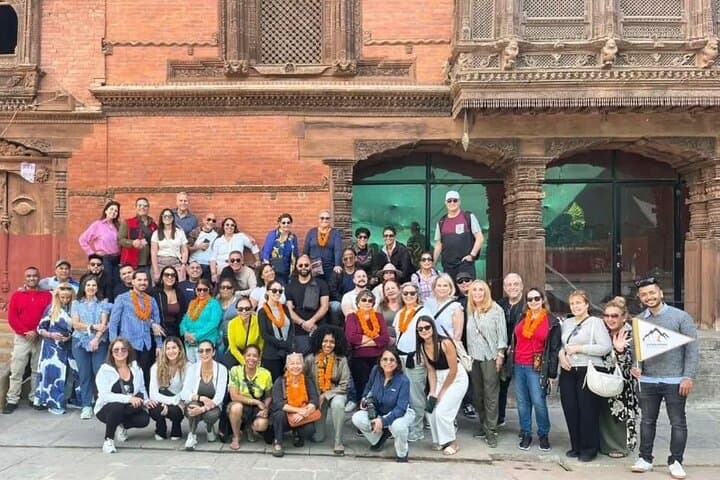
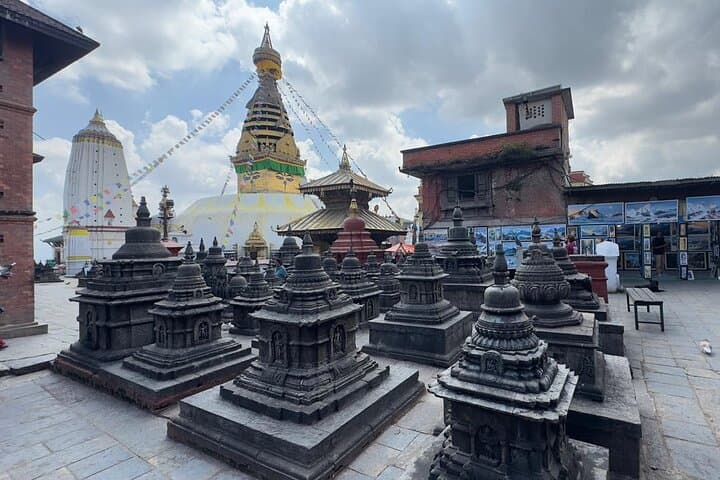
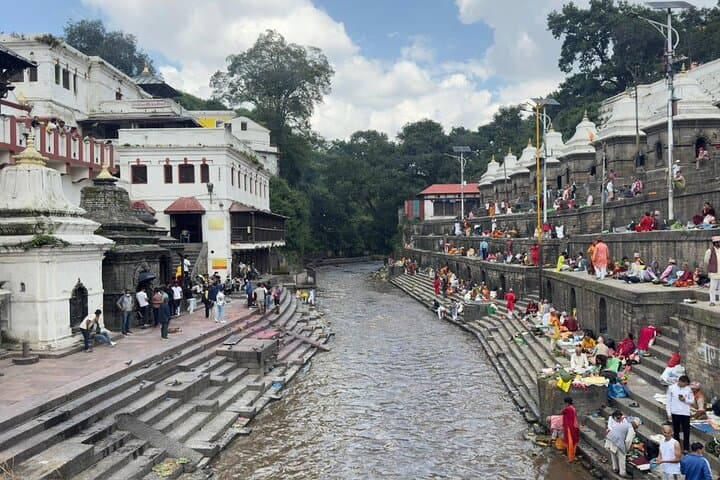
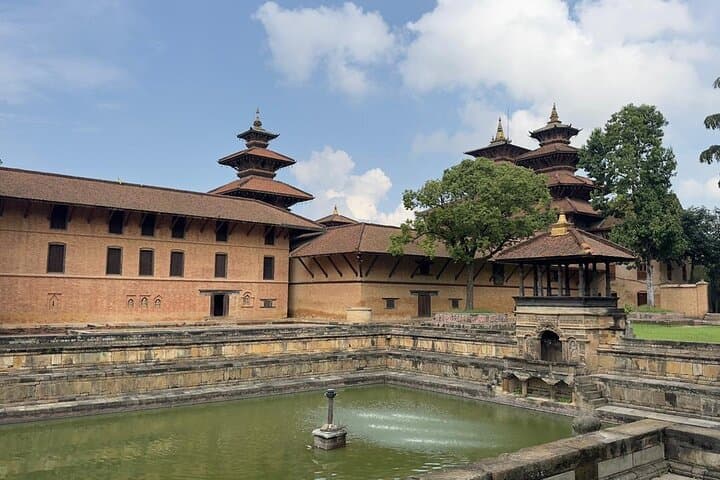
Morning light in the Kathmandu Valley hits stupas and red brick courtyards while distant Himalayan snow holds its breath—this itinerary moves fast from temple courtyards to mountain viewpoints and then down into the lowland jungle.
Morning light in the Kathmandu Valley hits stupas and red brick courtyards while distant Himalayan snow holds its breath—this itinerary moves fast from temple courtyards to mountain viewpoints and then down into the lowland jungle.
The trip opens in Kathmandu, a city shaped by centuries of Newar craftsmanship and Buddhist-Hindu practice. Geologically, travelers cross the front range of the Himalaya—rock uplifted by the India-Eurasia collision—before descending to Pokhara (approx. 827 m) where Sarangkot (≈1,592 m) frames Annapurna (8,091 m) and Machhapuchhre’s knife-edge spur. From those alpine vistas the route drops to the Terai plains and Chitwan National Park, home to riverine forests and grasslands carved by the Rapti River.
Culturally the tour balances UNESCO temples, Tibetan-Buddhist stupas, and an evening with Tharu dancers—an efficient survey of Nepal’s living traditions. Wildlife outings include a canoe ride and jeep safari with strong chances to see greater one-horned rhinoceros, deer, and abundant birdlife; tiger sightings are rare but possible.
Practical notes: expect 6–7 hours by road between Kathmandu and Pokhara or a 25-minute flight; Pokhara–Chitwan is about 4–5 hours by road. Pack layered clothing for chilly mountain mornings and humid jungle afternoons, good walking shoes, and insect protection. Allow a gentle pace the first day to acclimatize at Kathmandu’s ~1,400 m elevation. Carry local currency for tips and small purchases and respect temple customs (modest dress, remove shoes where required). With a mix of cultural sites, short walks and wildlife excursions, the itinerary suits travelers who want outdoor variety without technical trekking.