THE ADVENTURE COLLECTIVE® · Independent discovery and booking for outdoor travel

Combine Mongolia’s Naadam festival with eight days in the Gobi: watch ceremonial wrestling and horse races in Ulaanbaatar, then follow fossil-rich cliffs, icy canyons and singing sand dunes across the southern steppe. This expedition mixes culture, geology and nomadic hospitality.
Combine Mongolia’s Naadam festival with eight days in the Gobi: watch ceremonial wrestling and horse races in Ulaanbaatar, then follow fossil-rich cliffs, icy canyons and singing sand dunes across the southern steppe. This expedition mixes culture, geology and nomadic hospitality.
The first light on Naadam’s Central Stadium is a wash of color—flagbearers, wool-clad elders and a thousand horses’ tails flashing as the opening cortege moves toward the stands. Within days you trade that roar for a wide, still horizon: wind-sculpted dunes, red sandstone cliffs and a canyon that keeps ice into summer.
Verified experiences and guided adventures in the surrounding area.
Operated by Mongolian Vision Tours · Ulaanbaatar, Ömnögovi (Omnogovi)
The first light on Naadam’s Central Stadium is a wash of color—flagbearers, wool-clad elders and a thousand horses’ tails flashing as the opening cortege moves toward the stands. Within days you trade that roar for a wide, still horizon: wind-sculpted dunes, red sandstone cliffs and a canyon that keeps ice into summer.
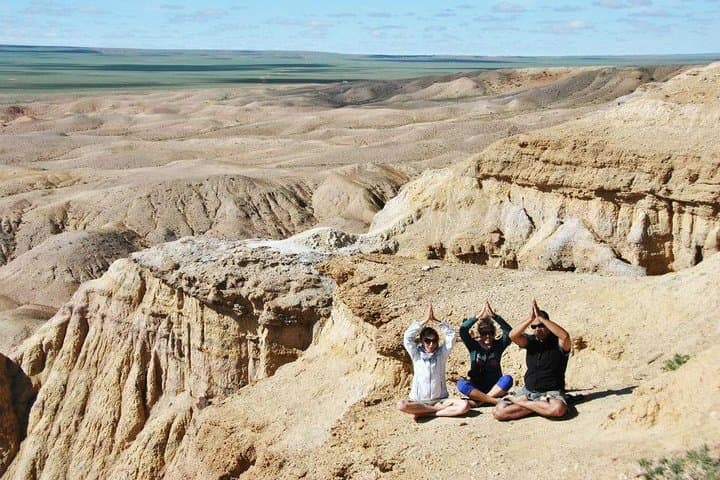
This eight-day loop links Ulaanbaatar’s national spectacle with the Gobi’s geology and nomadic culture. At Bayanzag (the Flaming Cliffs) you’ll stand where Roy Chapman Andrews unearthed dinosaur eggs in the 1920s; the cliffs’ red sandstone is an ancient shoreline turned fossil bed. Gobi Gurvan Saikhan’s “Three Beauties” top near 2,800 m and funnel snowmelt into shaded Yoliin Am—a narrow canyon where ice can linger through July. Khongoriin Els (Khongor dunes) run for scores of kilometers and produce the famous “singing” vibration as sand shifts; camels and saxaul shrubs anchor desert life between the dunes and the steppe.
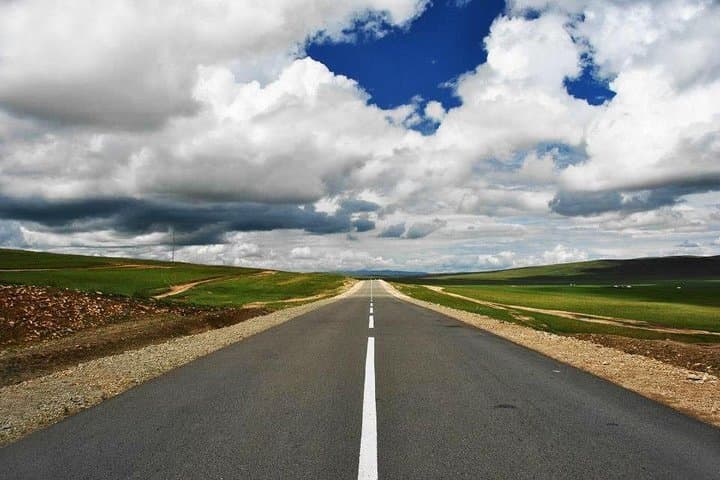
Practical side: expect long drives (examples in itinerary: Ulaanbaatar → Baga Gazriin Chuluu ~250 km; Khongor dunes ~180 km from the park), basic ger-camp lodging and dusty roads. Pack sun protection, layered clothing for big diurnal swings, sturdy boots for short hikes and a small daypack for canyon walks. Book Naadam access and ger camps well in advance; festival days are crowded and transport schedules tighten.
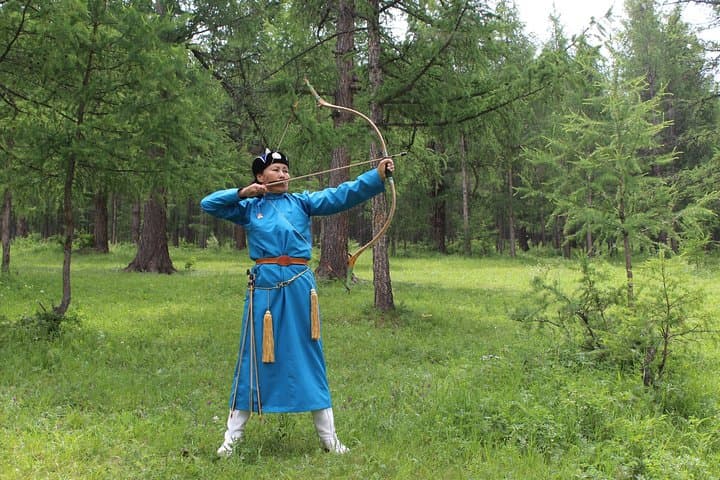
This trip pairs cultural intensity and slow-field science—watch the horse races and archery one day, follow fossil-bearing outcrops the next, and sleep under wide desert skies that demand respectful, low-impact travel.
moderate.
8 days.
Moderate fitness for hikes of 1–4 hours, short climbs, camel rides and multi-hour vehicle transfers; ability to board camels and walk uneven terrain.
Most nationalities require a Mongolian tourist visa; national parks permit entry through park fees included in many tours—confirm with your operator before travel.
Accommodation ranges from basic tourist ger camps and family gers to simple tents; facilities are often communal with limited hot-water windows in remote areas.
Yes—short guided camel treks and supervised horse viewing are offered; inexperienced riders should request experienced mounts and guides and follow safety instructions.
Naadam runs mid-July; pairing it with early July avoids some crowds but expect cold pockets in canyons until mid-July and hot desert days—plan layers accordingly.
The Flaming Cliffs (Bayanzag) yielded the first dinosaur eggs discovered by Roy Chapman Andrews in the 1920s; Naadam’s three sports (wrestling, horse racing, archery) trace to Mongol military traditions and nomadic life.
The Gobi is ecologically fragile—stay on established tracks, minimize campfires, pack out waste and support local ger camps to funnel income to nomadic communities.
Mongolian Vision Tours operates guided outdoor trips and adventures with an emphasis on safety, stewardship, and memorable experiences.
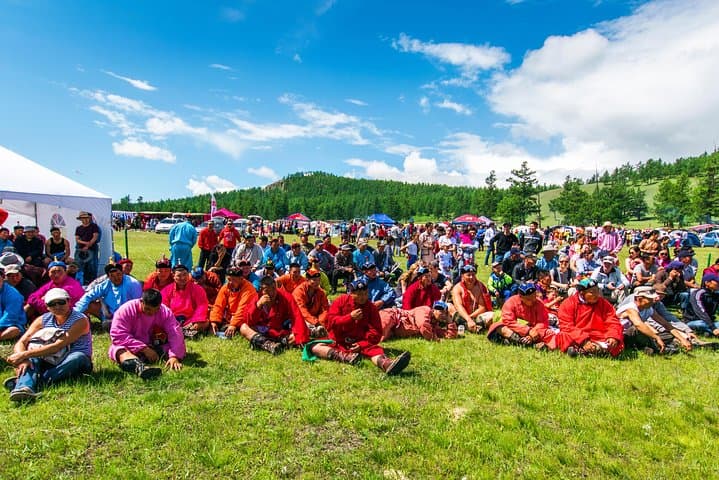
The first light on Naadam’s Central Stadium is a wash of color—flagbearers, wool-clad elders and a thousand horses’ tails flashing as the opening cortege moves toward the stands. Within days you trade that roar for a wide, still horizon: wind-sculpted dunes, red sandstone cliffs and a canyon that keeps ice into summer.
The first light on Naadam’s Central Stadium is a wash of color—flagbearers, wool-clad elders and a thousand horses’ tails flashing as the opening cortege moves toward the stands. Within days you trade that roar for a wide, still horizon: wind-sculpted dunes, red sandstone cliffs and a canyon that keeps ice into summer.
This eight-day loop links Ulaanbaatar’s national spectacle with the Gobi’s geology and nomadic culture. At Bayanzag (the Flaming Cliffs) you’ll stand where Roy Chapman Andrews unearthed dinosaur eggs in the 1920s; the cliffs’ red sandstone is an ancient shoreline turned fossil bed. Gobi Gurvan Saikhan’s “Three Beauties” top near 2,800 m and funnel snowmelt into shaded Yoliin Am—a narrow canyon where ice can linger through July. Khongoriin Els (Khongor dunes) run for scores of kilometers and produce the famous “singing” vibration as sand shifts; camels and saxaul shrubs anchor desert life between the dunes and the steppe.
Practical side: expect long drives (examples in itinerary: Ulaanbaatar → Baga Gazriin Chuluu ~250 km; Khongor dunes ~180 km from the park), basic ger-camp lodging and dusty roads. Pack sun protection, layered clothing for big diurnal swings, sturdy boots for short hikes and a small daypack for canyon walks. Book Naadam access and ger camps well in advance; festival days are crowded and transport schedules tighten.
This trip pairs cultural intensity and slow-field science—watch the horse races and archery one day, follow fossil-bearing outcrops the next, and sleep under wide desert skies that demand respectful, low-impact travel.