THE ADVENTURE COLLECTIVE® · Independent discovery and booking for outdoor travel

Cross Mauritania’s north desert on an eight-day private tour that pairs dune camping and oasis springs with a ride alongside the world’s longest iron ore train. Expect cultural stops in Chinguetti, camel markets, coastal shipwrecks and nights under vast desert skies.
Cross Mauritania’s north desert on an eight-day private tour that pairs dune camping and oasis springs with a ride alongside the world’s longest iron ore train. Expect cultural stops in Chinguetti, camel markets, coastal shipwrecks and nights under vast desert skies.
You step off the air-conditioned vehicle into a gap of sky the color of beaten metal — heat pressing outward, sand moving like a low ocean. The itinerary unfolds: camped against a towering dune on night one, the silence around the fire broken only by the hiss of shisha and the distant clack of a 4x4. By midweek you’ll be riding alongside the iron ore train, a procession of freight cars stretching for kilometers past rust-red mines and scrubby plateaus.
Verified experiences and guided adventures in the surrounding area.
Operated by T'Ore Mauritania · Nouakchott, Nouakchott
You step off the air-conditioned vehicle into a gap of sky the color of beaten metal — heat pressing outward, sand moving like a low ocean. The itinerary unfolds: camped against a towering dune on night one, the silence around the fire broken only by the hiss of shisha and the distant clack of a 4x4. By midweek you’ll be riding alongside the iron ore train, a procession of freight cars stretching for kilometers past rust-red mines and scrubby plateaus.
This route threads history and geology: Chinguetti’s manuscript libraries and grand mosque speak to trans-Saharan trade and Islamic scholarship; wind-sculpted Ergs and rocky hamadas reveal ancient erosion and desertification processes. Culture is immediate — camel markets where bargaining is brisk, fishermen at Port de Pech hauling in Atlantic catches, and nomadic life glimpsed in roadside camps.
Expect varied terrain: firm desert track, soft dunes, gravel plains and a coastal strip with shipwreck-strewn beach near Nouadhibou. Nights cool sharply; days are intensely hot with direct sun and reflective sand.
Practical guidance: travel with an experienced local driver and guide, carry 3–4 liters of water per day, and use high-SPF sunscreen with a wide-brim hat. Bring layered clothing — lightweight during the day, insulated down or fleece for clear nights — and sturdy boots for dune crests and rocky sections. Plan arrivals and departures around morning and late-afternoon light for photography and comfort. This private, multi-day tour balances authentic cultural contact with logistical support — sleep in camp under stars, ride the world-famous ore train, and finish with the colors of Nouakchott’s market and shore.
moderate.
8 days.
Reasonable mobility for boarding vehicles, short hikes on dunes and walking through towns; not technically strenuous but expect long drives and variable footing.
The itinerary is private and adaptable, but long drives and camping may be uncomfortable for very young children or travelers with limited mobility; discuss specifics with the operator.
The Mauritanian iron ore train stretches for several kilometers; the tour includes visiting mining operations and an escorted ride segment — follow the guide’s safety briefings at all times.
Camps use ground tents on dune crests with basic bedding; some nights are in hotels with hot showers and air conditioning as noted in the itinerary.
No significant elevation change; the challenge is heat and sand rather than altitude — acclimatize to heat gradually and stay hydrated.
Chinguetti and Ouadane were key stops on trans-Saharan trade routes; Chinguetti’s script collections date back centuries and mark Mauritania’s scholarly past.
The Sahara is ecologically fragile — avoid disturbing vegetation and water sources, pack out waste, and use local guides to support responsible tourism.
T'Ore Mauritania operates guided outdoor trips and adventures with an emphasis on safety, stewardship, and memorable experiences.
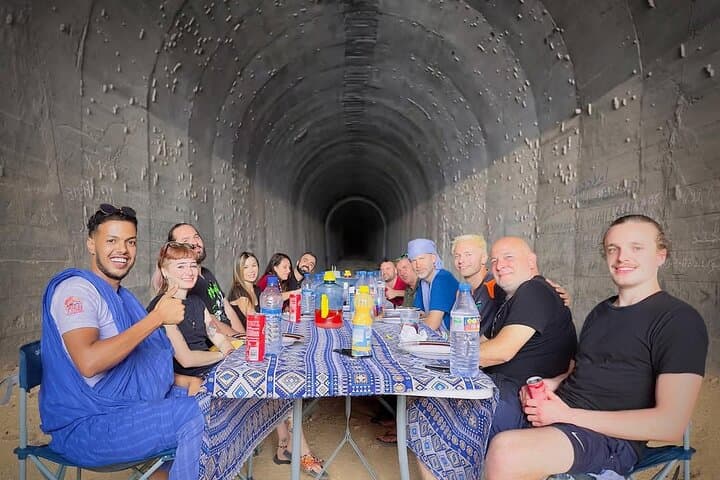
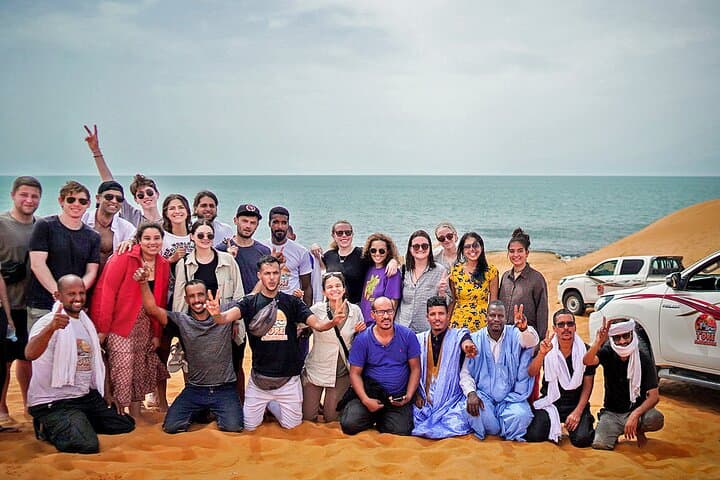
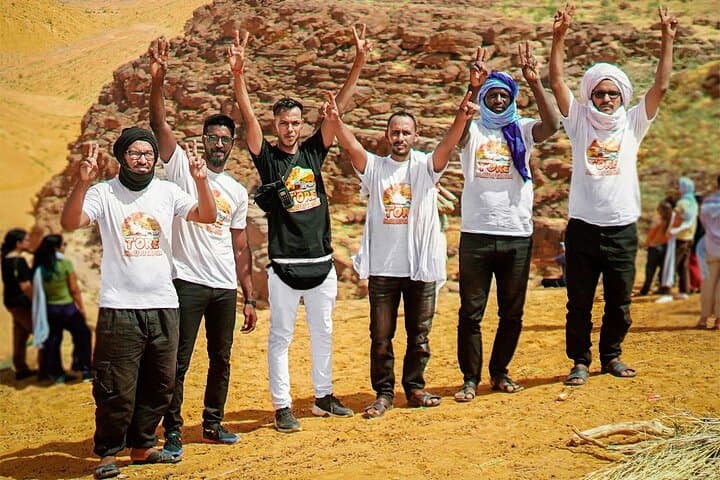
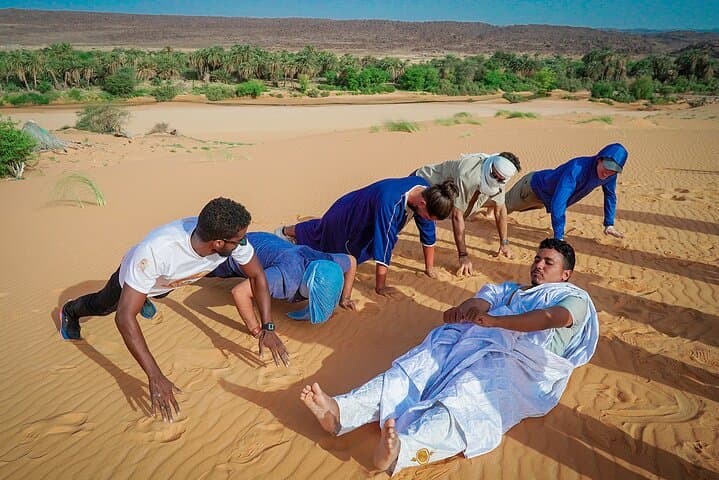
You step off the air-conditioned vehicle into a gap of sky the color of beaten metal — heat pressing outward, sand moving like a low ocean. The itinerary unfolds: camped against a towering dune on night one, the silence around the fire broken only by the hiss of shisha and the distant clack of a 4x4. By midweek you’ll be riding alongside the iron ore train, a procession of freight cars stretching for kilometers past rust-red mines and scrubby plateaus.
You step off the air-conditioned vehicle into a gap of sky the color of beaten metal — heat pressing outward, sand moving like a low ocean. The itinerary unfolds: camped against a towering dune on night one, the silence around the fire broken only by the hiss of shisha and the distant clack of a 4x4. By midweek you’ll be riding alongside the iron ore train, a procession of freight cars stretching for kilometers past rust-red mines and scrubby plateaus.
This route threads history and geology: Chinguetti’s manuscript libraries and grand mosque speak to trans-Saharan trade and Islamic scholarship; wind-sculpted Ergs and rocky hamadas reveal ancient erosion and desertification processes. Culture is immediate — camel markets where bargaining is brisk, fishermen at Port de Pech hauling in Atlantic catches, and nomadic life glimpsed in roadside camps.
Expect varied terrain: firm desert track, soft dunes, gravel plains and a coastal strip with shipwreck-strewn beach near Nouadhibou. Nights cool sharply; days are intensely hot with direct sun and reflective sand.
Practical guidance: travel with an experienced local driver and guide, carry 3–4 liters of water per day, and use high-SPF sunscreen with a wide-brim hat. Bring layered clothing — lightweight during the day, insulated down or fleece for clear nights — and sturdy boots for dune crests and rocky sections. Plan arrivals and departures around morning and late-afternoon light for photography and comfort. This private, multi-day tour balances authentic cultural contact with logistical support — sleep in camp under stars, ride the world-famous ore train, and finish with the colors of Nouakchott’s market and shore.