THE ADVENTURE COLLECTIVE® · Independent discovery and booking for outdoor travel

Experience the Masai Mara migration across an 8-day circuit that links Aberdare highlands, rhino sanctuaries and the Mara’s sweeping plains. This practical guide explains what to expect, when to go, and how to prepare for long days of game drives and dramatic river crossings.
Experience the Masai Mara migration across an 8-day circuit that links Aberdare highlands, rhino sanctuaries and the Mara’s sweeping plains. This practical guide explains what to expect, when to go, and how to prepare for long days of game drives and dramatic river crossings.
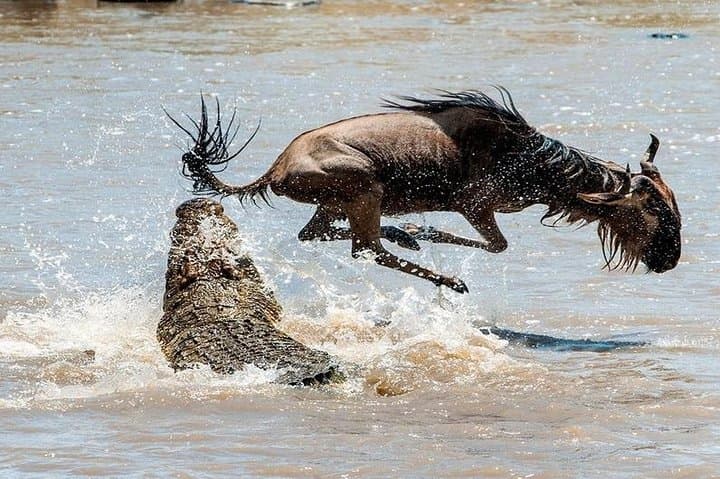
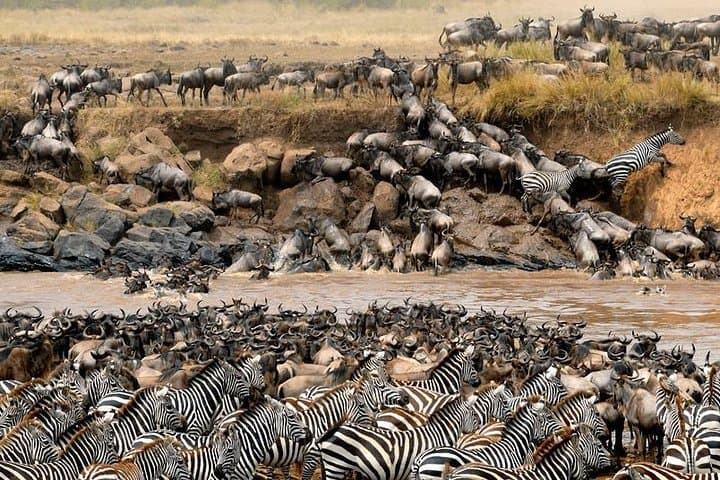
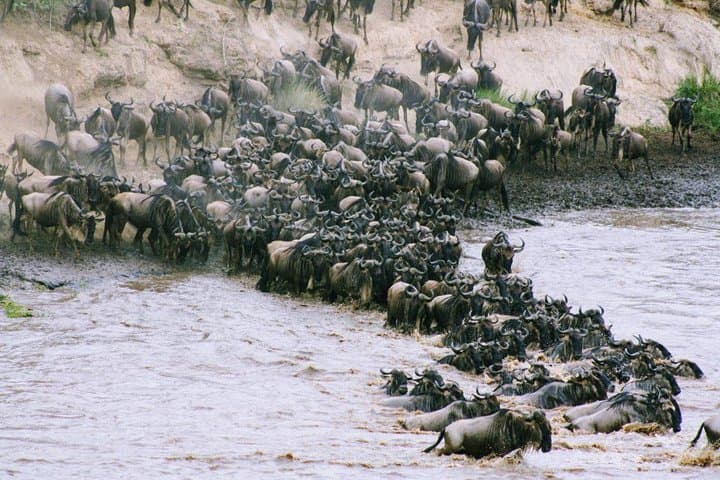
Dawn crests over the Masai Mara and the plains come alive—dust hangs in the air as thousands of wildebeest press toward a distant river, zebras and gazelles threading between them. Vehicles fan out across the savanna; guides scan the horizon for crossings while the light sharpens the silhouettes of acacia and kopje.
Verified experiences and guided adventures in the surrounding area.
Operated by Gracepatt Ecotours Kenya · Narok, Narok County
Dawn crests over the Masai Mara and the plains come alive—dust hangs in the air as thousands of wildebeest press toward a distant river, zebras and gazelles threading between them. Vehicles fan out across the savanna; guides scan the horizon for crossings while the light sharpens the silhouettes of acacia and kopje.
This 8-day loop links highland forest, rhino sanctuaries and Rift Valley lakes with the Mara’s famed plains. You move from the Aberdare foothills and Ol Pejeta’s rhino conservancy to Lake Nakuru and Naivasha, finish with multiple game drives inside Masai Mara during the July–October migration window. Geologically the route traces the eastern escarpment of the Great Rift Valley—volcanic basalts, soda lakes, and broad grasslands shaping seasonal water and grazing patterns that drive animal movements.
Culturally the trip crosses Maasai country; many lodges work with local communities and ranger programs. Conservation here is active—Ol Pejeta’s anti-poaching and Nakuru’s rhino protections are as central to the experience as predator sightings.
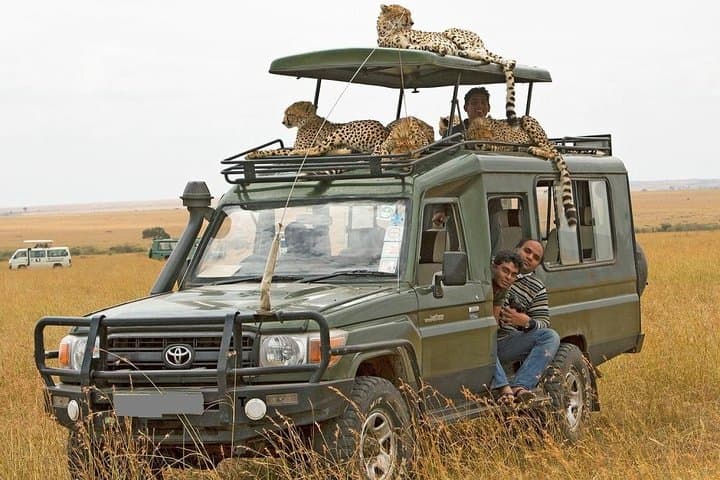
Practically: expect early-morning and late-afternoon drives, long transfers by road, and lodge or tented-camp accommodations with meals and park fees included. Vehicle viewing is the norm—bring binoculars, layered clothing for cold mornings, sun protection, and a good camera with fast lenses. Roads can be rough after rains; travel insurance and flexible timing help. For peak migration viewing plan July–October; quieter, greener months fall between November and May when some roads are less reliable.
This itinerary balances big-picture wildlife spectacle with on-the-ground logistics so you can focus on what matters: the next horizon and what’s moving across it.
moderate.
8 days.
Suitable for travelers with basic mobility—must be able to get in/out of safari vehicles and tolerate long drives and uneven terrain.
July through October is the prime window for large-scale river crossings in the Masai Mara; timing varies year-to-year with rainfall patterns.
This itinerary lists park entrance fees as included—confirm during booking and keep copies of receipts for compliance at checkpoints.
Roads between parks and lodges can be long and uneven, especially after rains; expect several hours of driving on gravel and packed earth.
Check current travel health guidance and your government’s visa rules before departure; common recommendations include routine vaccinations and anti-malarial consultation.
The Masai Mara forms the northern extent of the Serengeti ecosystem; Maasai pastoral communities have lived and grazed these lands for centuries and their grazing patterns historically complemented wildlife movements.
Conservation here combines park protection with community-run conservancies and anti-poaching units; staying in responsible camps supports local employment and anti-poaching efforts.
Gracepatt Ecotours Kenya operates guided outdoor trips and adventures with an emphasis on safety, stewardship, and memorable experiences.
Dawn crests over the Masai Mara and the plains come alive—dust hangs in the air as thousands of wildebeest press toward a distant river, zebras and gazelles threading between them. Vehicles fan out across the savanna; guides scan the horizon for crossings while the light sharpens the silhouettes of acacia and kopje.
Dawn crests over the Masai Mara and the plains come alive—dust hangs in the air as thousands of wildebeest press toward a distant river, zebras and gazelles threading between them. Vehicles fan out across the savanna; guides scan the horizon for crossings while the light sharpens the silhouettes of acacia and kopje.
This 8-day loop links highland forest, rhino sanctuaries and Rift Valley lakes with the Mara’s famed plains. You move from the Aberdare foothills and Ol Pejeta’s rhino conservancy to Lake Nakuru and Naivasha, finish with multiple game drives inside Masai Mara during the July–October migration window. Geologically the route traces the eastern escarpment of the Great Rift Valley—volcanic basalts, soda lakes, and broad grasslands shaping seasonal water and grazing patterns that drive animal movements.
Culturally the trip crosses Maasai country; many lodges work with local communities and ranger programs. Conservation here is active—Ol Pejeta’s anti-poaching and Nakuru’s rhino protections are as central to the experience as predator sightings.
Practically: expect early-morning and late-afternoon drives, long transfers by road, and lodge or tented-camp accommodations with meals and park fees included. Vehicle viewing is the norm—bring binoculars, layered clothing for cold mornings, sun protection, and a good camera with fast lenses. Roads can be rough after rains; travel insurance and flexible timing help. For peak migration viewing plan July–October; quieter, greener months fall between November and May when some roads are less reliable.
This itinerary balances big-picture wildlife spectacle with on-the-ground logistics so you can focus on what matters: the next horizon and what’s moving across it.