THE ADVENTURE COLLECTIVE® · Independent discovery and booking for outdoor travel

An eight-day private safari that follows the wildebeest migration through Masai Mara with stops at Lake Naivasha, Nakuru and Amboseli. This practical guide covers what to expect on drives, game drives, lodges, and the best seasons to plan your trip.
An eight-day private safari that follows the wildebeest migration through Masai Mara with stops at Lake Naivasha, Nakuru and Amboseli. This practical guide covers what to expect on drives, game drives, lodges, and the best seasons to plan your trip.
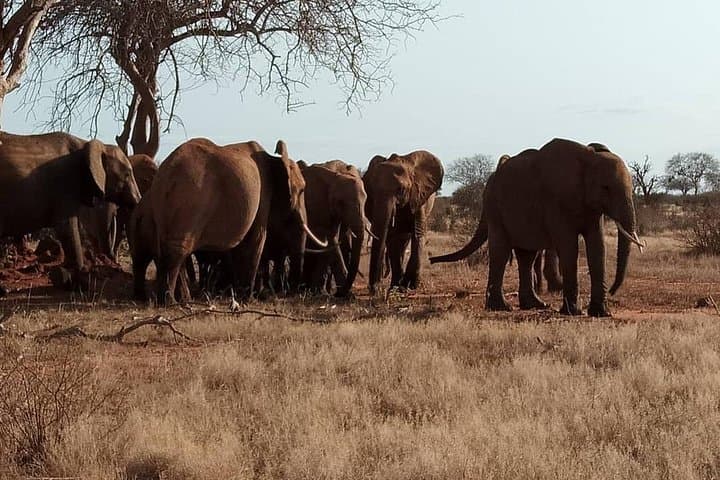
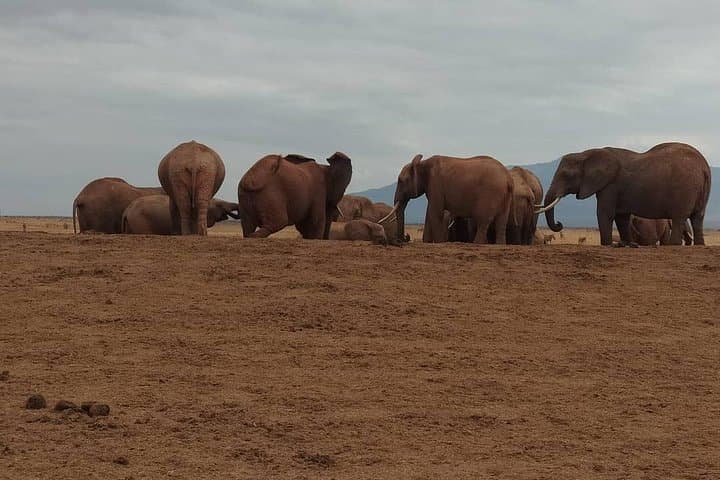
Dust lifts off the red earth as a Toyota 4x4 threads between acacia and scrub — you arrive at dawn to the plains that make the Masai Mara famous. The grassland opens, low clouds backlight a herd, and the rhythm of hooves feels like a warning and an invitation at once.
Verified experiences and guided adventures in the surrounding area.
Operated by KT & Safaris · Narok, Narok County
Dust lifts off the red earth as a Toyota 4x4 threads between acacia and scrub — you arrive at dawn to the plains that make the Masai Mara famous. The grassland opens, low clouds backlight a herd, and the rhythm of hooves feels like a warning and an invitation at once.
This eight-day loop moves from Nairobi into the Mara for multi-day game drives, then down to Lake Naivasha, Lake Nakuru and Amboseli. The Mara is the northern edge of the Serengeti ecosystem; its rolling grass savanna and river channels shape the annual wildebeest migration that peaks July–October when animals push toward the Mara River. Geologically the region is defined by volcanic soils and the Rift Valley escarpment, producing broad plains and shallow lakes where flamingoes and pelicans concentrate.
Expect Maasai herding communities and lodge camps that range from tented camps to permanent safari lodges — the itinerary lists stays at camps such as Mara Sarova and Sopa properties. Boat trips on Lake Naivasha, birdwatching at Nakuru, and Amboseli’s open plains with views of Mount Kilimanjaro add diverse landscapes to wildlife-rich game drives.
Practical edge: plan for long drives (Nairobi–Mara ~6 hours), early starts for predator activity, and variable temperatures — afternoons are warm, mornings can be chilly. Bring layered clothing, sun protection, a good binocular, and a neutral palette to keep wildlife sightings from being disturbed. Book July–October for the best chance to witness large-scale river crossings; otherwise, many species remain visible year-round.
easy.
8 days.
Light to moderate fitness—comfortable for travelers who can board vehicles and do short walks; expect long car transfers and early mornings.
The Mara typically sees the largest river crossings between July and October; animals are present year-round but peak movement aligns with the dry-season searches for grazing.
Expect about a 5–7 hour drive depending on road conditions, with most tours departing early morning around 7:00 to maximize wildlife viewing time on arrival.
It varies by operator; this itinerary lists meals included and lodge stays, but confirm whether park entrance fees and optional activities are covered before booking.
Many lodges and vehicles accommodate families and provide accessible transport, but game viewing can require climbing into high vehicles and rough-road transfers—check accessibility details with the operator.
Masai Mara takes its name from the Maasai people and the Maasai word for spotted land; the reserve was established in 1961 and forms the Kenyan section of the larger Serengeti ecosystem.
Community conservancies and anti-poaching efforts are central to protecting migration routes and habitat; travelers support conservation by choosing operators that work with local Maasai communities.
KT & Safaris operates guided outdoor trips and adventures with an emphasis on safety, stewardship, and memorable experiences.
Dust lifts off the red earth as a Toyota 4x4 threads between acacia and scrub — you arrive at dawn to the plains that make the Masai Mara famous. The grassland opens, low clouds backlight a herd, and the rhythm of hooves feels like a warning and an invitation at once.
Dust lifts off the red earth as a Toyota 4x4 threads between acacia and scrub — you arrive at dawn to the plains that make the Masai Mara famous. The grassland opens, low clouds backlight a herd, and the rhythm of hooves feels like a warning and an invitation at once.
This eight-day loop moves from Nairobi into the Mara for multi-day game drives, then down to Lake Naivasha, Lake Nakuru and Amboseli. The Mara is the northern edge of the Serengeti ecosystem; its rolling grass savanna and river channels shape the annual wildebeest migration that peaks July–October when animals push toward the Mara River. Geologically the region is defined by volcanic soils and the Rift Valley escarpment, producing broad plains and shallow lakes where flamingoes and pelicans concentrate.
Expect Maasai herding communities and lodge camps that range from tented camps to permanent safari lodges — the itinerary lists stays at camps such as Mara Sarova and Sopa properties. Boat trips on Lake Naivasha, birdwatching at Nakuru, and Amboseli’s open plains with views of Mount Kilimanjaro add diverse landscapes to wildlife-rich game drives.
Practical edge: plan for long drives (Nairobi–Mara ~6 hours), early starts for predator activity, and variable temperatures — afternoons are warm, mornings can be chilly. Bring layered clothing, sun protection, a good binocular, and a neutral palette to keep wildlife sightings from being disturbed. Book July–October for the best chance to witness large-scale river crossings; otherwise, many species remain visible year-round.