THE ADVENTURE COLLECTIVE® · Independent discovery and booking for outdoor travel

An eight-day loop from Marrakech that threads through Morocco’s royal cities, middle Atlas highlands and Ouzoud Falls. Expect market-packed medinas, Roman ruins, cedar forests and steady driving days with intimate stays in riads.
An eight-day loop from Marrakech that threads through Morocco’s royal cities, middle Atlas highlands and Ouzoud Falls. Expect market-packed medinas, Roman ruins, cedar forests and steady driving days with intimate stays in riads.
The day begins before the city fully wakes: Marrakech's ochre walls soften in early light while a driver slides the van through narrow alleys toward the open highway. For the next eight days the rhythm alternates—urban pulse and low mountain hush—carrying travelers from the market noise of Jemaa el Fna to the hush of Roman stones at Volubilis and the spray of Ouzoud Falls.
Verified experiences and guided adventures in the surrounding area.
Operated by Ausflug Reisen Marokko · Marrakech, Marrakech-Safi
The day begins before the city fully wakes: Marrakech's ochre walls soften in early light while a driver slides the van through narrow alleys toward the open highway. For the next eight days the rhythm alternates—urban pulse and low mountain hush—carrying travelers from the market noise of Jemaa el Fna to the hush of Roman stones at Volubilis and the spray of Ouzoud Falls.
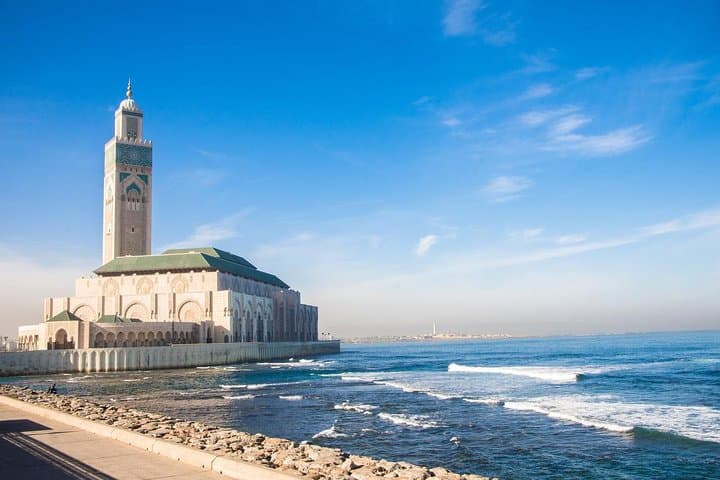
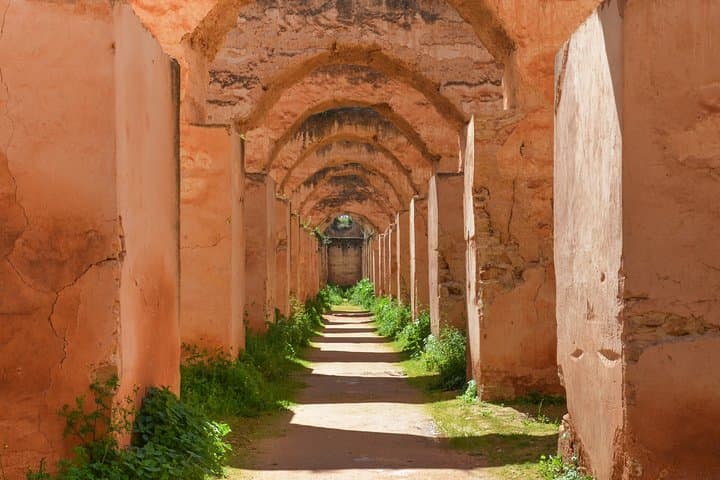
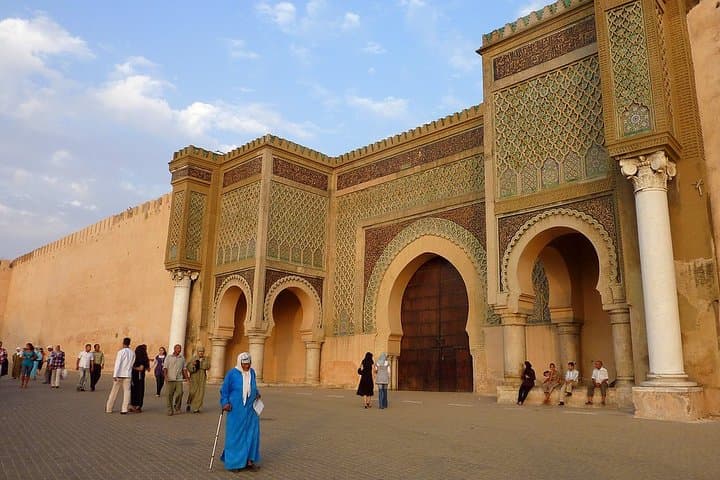
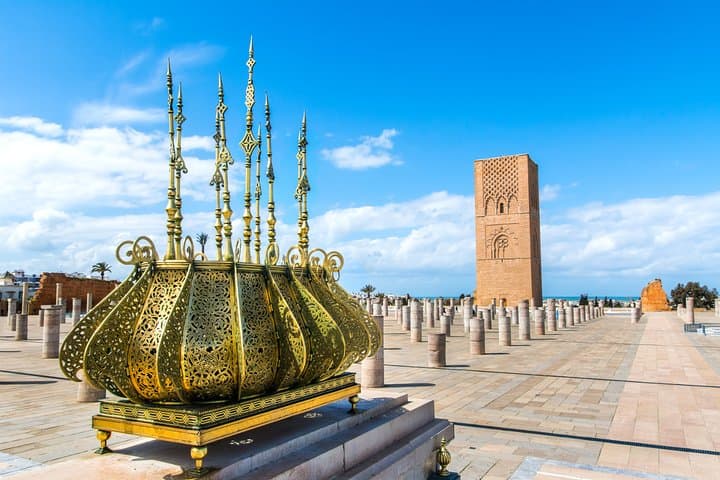
This round-trip itinerary reads like a compact history of Morocco. From Marrakech’s Almohad minarets and the blue gate of Fes to Rabat’s Hassan Tower and Meknes’ Bab El Mansour, each stop layers dynasties, crafts and trade routes. Geology shows up in the red, iron-rich cliffs at Ouzoud, the folded ridges of the Middle Atlas where cedar and oak cling to slopes, and the plains around Casablanca that open to the Atlantic. Culture is tactile here: the souks test bargaining instincts, riads offer quiet courtyards, and Berber villages around the Atlas keep a slower calendar of life and craft.
On the ground, distances matter. Expect full driving days—Marrakech to Casablanca then Rabat is roughly 320 km—balanced against long walks through compact medinas where streets narrow and pack mules still do the heavy lifting. At Ouzoud, the falls drop about 110 meters over stepped ledges; a steep, well-trodden path takes you down and back up, so plan for uneven surfaces and a short burst of elevation change.
Practicalities are straightforward: the tour covers accommodations (riads and select hotels), most breakfasts and two dinners, with a private driver-guide for small groups. Bring cash for souk purchases and entry fees; many smaller vendors and some attractions remain cash-first. Pace your days—long cultural visits in Fes and Marrakech are best taken with the mornings reserved for cooler walking and afternoons for riad downtime or rooftop terraces.
Packing leans toward versatility: sturdy walking shoes for cobbles and falls; sun protection for the southern plains; light layers for the Middle Atlas, where temperatures can drop after sunset. Hydration is essential on long drives and market wandering—bottled water is easy to find, and your guide will point out reliable stops.
Logistics to note: airport pickup in Marrakech is included, and the route is configurable for small groups. If you want fewer museums and more village visits, discuss it with your guide early; local flexibility is one of the tour’s strengths.
By day eight the medina’s smells, the cedar-scented passes and the sound of water at Ouzoud remain distinct—proof that a country of royal cities and mountain edges can be seen without being rushed, as long as you travel with a plan and room for surprise.
moderate.
8 days.
Suitable for travelers in good general health who can handle multiple hours of walking on cobbles and short hikes with stairs
Yes — drivers meet you at Marrakech airport and provide pickup and drop-off to your riad as part of the tour logistics.
Yes — the tour runs for small groups and private bookings are possible; solo travelers are welcome and often join group departures.
Breakfast is included daily and two dinners are provided; most other meals are at your own expense so you can explore local options.
Visa requirements depend on your nationality; many travelers receive a visa on arrival or travel visa-free, but check with Moroccan consular guidance before travel.
The route is structured but adjustable; discuss preferences with your guide, especially for museum vs. village time or optional shows.
Most stops are at moderate elevation; only brief, light hiking is required and serious altitude sickness is unlikely on this itinerary.
The route stitches together Morocco’s imperial past: Marrakech, Fes, Meknes and Rabat were successive seats of power, while Volubilis preserves Roman columns and mosaics that predate medieval dynasties.
Visitor pressure on riads and medinas requires care—use water sparingly in arid zones and avoid feeding wildlife like macaques; support local guides and small businesses to spread tourism income.
Ausflug Reisen Marokko operates guided outdoor trips and adventures with an emphasis on safety, stewardship, and memorable experiences.
The day begins before the city fully wakes: Marrakech's ochre walls soften in early light while a driver slides the van through narrow alleys toward the open highway. For the next eight days the rhythm alternates—urban pulse and low mountain hush—carrying travelers from the market noise of Jemaa el Fna to the hush of Roman stones at Volubilis and the spray of Ouzoud Falls.
The day begins before the city fully wakes: Marrakech's ochre walls soften in early light while a driver slides the van through narrow alleys toward the open highway. For the next eight days the rhythm alternates—urban pulse and low mountain hush—carrying travelers from the market noise of Jemaa el Fna to the hush of Roman stones at Volubilis and the spray of Ouzoud Falls.
This round-trip itinerary reads like a compact history of Morocco. From Marrakech’s Almohad minarets and the blue gate of Fes to Rabat’s Hassan Tower and Meknes’ Bab El Mansour, each stop layers dynasties, crafts and trade routes. Geology shows up in the red, iron-rich cliffs at Ouzoud, the folded ridges of the Middle Atlas where cedar and oak cling to slopes, and the plains around Casablanca that open to the Atlantic. Culture is tactile here: the souks test bargaining instincts, riads offer quiet courtyards, and Berber villages around the Atlas keep a slower calendar of life and craft.
On the ground, distances matter. Expect full driving days—Marrakech to Casablanca then Rabat is roughly 320 km—balanced against long walks through compact medinas where streets narrow and pack mules still do the heavy lifting. At Ouzoud, the falls drop about 110 meters over stepped ledges; a steep, well-trodden path takes you down and back up, so plan for uneven surfaces and a short burst of elevation change.
Practicalities are straightforward: the tour covers accommodations (riads and select hotels), most breakfasts and two dinners, with a private driver-guide for small groups. Bring cash for souk purchases and entry fees; many smaller vendors and some attractions remain cash-first. Pace your days—long cultural visits in Fes and Marrakech are best taken with the mornings reserved for cooler walking and afternoons for riad downtime or rooftop terraces.
Packing leans toward versatility: sturdy walking shoes for cobbles and falls; sun protection for the southern plains; light layers for the Middle Atlas, where temperatures can drop after sunset. Hydration is essential on long drives and market wandering—bottled water is easy to find, and your guide will point out reliable stops.
Logistics to note: airport pickup in Marrakech is included, and the route is configurable for small groups. If you want fewer museums and more village visits, discuss it with your guide early; local flexibility is one of the tour’s strengths.
By day eight the medina’s smells, the cedar-scented passes and the sound of water at Ouzoud remain distinct—proof that a country of royal cities and mountain edges can be seen without being rushed, as long as you travel with a plan and room for surprise.