THE ADVENTURE COLLECTIVE® · Independent discovery and booking for outdoor travel

Spend eight days chasing humpback whales off Sainte‑Marie, then trade open water for rainforest lemur encounters and UNESCO history. This private Madagascar tour blends organized whale safaris, short hikes, and cultural visits with practical logistics for a single-week adventure.
Spend eight days chasing humpback whales off Sainte‑Marie, then trade open water for rainforest lemur encounters and UNESCO history. This private Madagascar tour blends organized whale safaris, short hikes, and cultural visits with practical logistics for a single-week adventure.
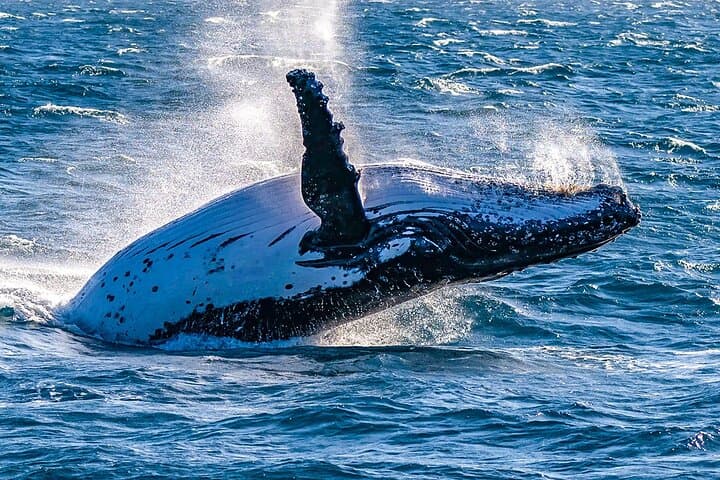
The boat slips away from a small wooden jetty and the channel opens—a low wind pushes the surface into quick, glassy ripples that dare you to lean forward. On Sainte-Marie (Nosy Boraha), mornings mean a sky threaded with seabirds and the distant fluke of a humpback sending spray into the light.
Verified experiences and guided adventures in the surrounding area.
Operated by Travel China Guide · Île Sainte-Marie (Nosy Boraha), Analanjirofo
The boat slips away from a small wooden jetty and the channel opens—a low wind pushes the surface into quick, glassy ripples that dare you to lean forward. On Sainte-Marie (Nosy Boraha), mornings mean a sky threaded with seabirds and the distant fluke of a humpback sending spray into the light.
This private, eight-day route threads coastal spectacle with inland discovery. Sainte-Marie’s sheltered channel became a seasonal nursery for humpbacks millennia ago; the island itself sits on Madagascar’s fractured eastern margin where coral reefs and volcanic bedrock meet shallow sands. Cultural notes arrive in Antananarivo’s colonial avenues and at the Royal Hill of Ambohimanga, a UNESCO site that outlines the island’s role in Malagasy state formation. Inland, Andasibe’s rainforests host the Indri and diademed sifaka, species found nowhere else.
Expect boat trips tuned for viewing—short cruises with shaded decks—and a handful of easy coastal hikes and village visits. The itinerary balances slow wildlife-watching mornings with afternoon transfers; roads can be rough, and domestic flights link islands to the capital.
Practical guidance: travel light for transfers, carry seasickness remedies, and pack layered clothing for humid days and breezy mornings. Respect marine distances during whale encounters and follow local guide instructions—conservation-minded behavior keeps whales, lemurs, and the small island economies thriving.
Whether the draw is breach after breach or the odd-eyed stare of a forest lemur, this trip pairs marine drama with Malagasy culture and manageable logistics for a single-week expedition.
moderate.
8 days.
Light to moderate fitness is sufficient—participants should be able to board small boats, walk uneven coastal trails and handle up to four-hour vehicle transfers.
July to September is peak breeding season with the most reliable sightings and frequent surface behaviors.
Licensed operators maintain regulated viewing distances; boats typically stop and drift near activity while guides look for natural approaches—expect to view from 20–100 meters depending on behavior.
The itinerary includes a short domestic flight to Sainte‑Marie; schedules can be limited and subject to change, so operators often build flexibility into transfers and advise booking international flights with buffer days.
Travelers need a valid passport and should check Madagascar visa requirements in advance; recommended vaccinations include routine shots and, depending on itinerary, travel clinic advice for malaria prevention.
Sainte‑Marie has a storied past as a pirate anchorage and Madagascar’s Royal Hill of Ambohimanga reflects the island’s central role in Merina kingdom history.
Whale-watching here follows codes to avoid stressing mothers and calves; visitors are encouraged to support local guides and reef-friendly practices to minimize impact on fragile marine and forest ecosystems.
Travel China Guide operates guided outdoor trips and adventures with an emphasis on safety, stewardship, and memorable experiences.

The boat slips away from a small wooden jetty and the channel opens—a low wind pushes the surface into quick, glassy ripples that dare you to lean forward. On Sainte-Marie (Nosy Boraha), mornings mean a sky threaded with seabirds and the distant fluke of a humpback sending spray into the light.
The boat slips away from a small wooden jetty and the channel opens—a low wind pushes the surface into quick, glassy ripples that dare you to lean forward. On Sainte-Marie (Nosy Boraha), mornings mean a sky threaded with seabirds and the distant fluke of a humpback sending spray into the light.
This private, eight-day route threads coastal spectacle with inland discovery. Sainte-Marie’s sheltered channel became a seasonal nursery for humpbacks millennia ago; the island itself sits on Madagascar’s fractured eastern margin where coral reefs and volcanic bedrock meet shallow sands. Cultural notes arrive in Antananarivo’s colonial avenues and at the Royal Hill of Ambohimanga, a UNESCO site that outlines the island’s role in Malagasy state formation. Inland, Andasibe’s rainforests host the Indri and diademed sifaka, species found nowhere else.
Expect boat trips tuned for viewing—short cruises with shaded decks—and a handful of easy coastal hikes and village visits. The itinerary balances slow wildlife-watching mornings with afternoon transfers; roads can be rough, and domestic flights link islands to the capital.
Practical guidance: travel light for transfers, carry seasickness remedies, and pack layered clothing for humid days and breezy mornings. Respect marine distances during whale encounters and follow local guide instructions—conservation-minded behavior keeps whales, lemurs, and the small island economies thriving.
Whether the draw is breach after breach or the odd-eyed stare of a forest lemur, this trip pairs marine drama with Malagasy culture and manageable logistics for a single-week expedition.