THE ADVENTURE COLLECTIVE® · Independent discovery and booking for outdoor travel

An eight-day private itinerary that pairs Cusco’s archaeological highlights with high-altitude treks to Humantay Lake and Rainbow Mountain, culminating at Machu Picchu. Expect early mornings, steep ascents, and a mix of train travel and guided walks.
An eight-day private itinerary that pairs Cusco’s archaeological highlights with high-altitude treks to Humantay Lake and Rainbow Mountain, culminating at Machu Picchu. Expect early mornings, steep ascents, and a mix of train travel and guided walks.
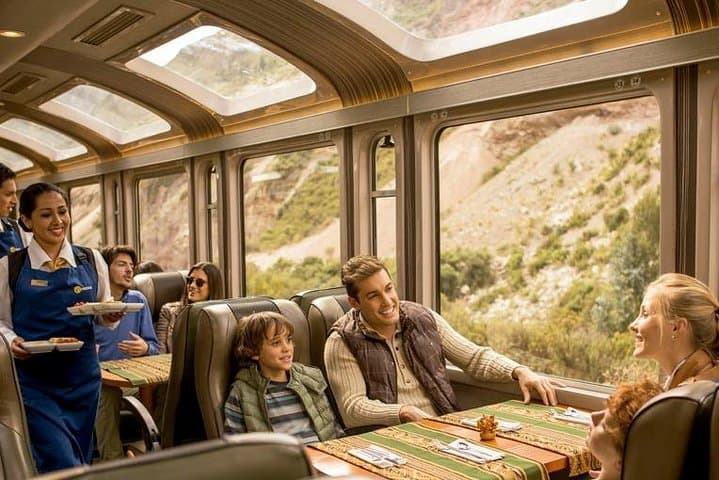
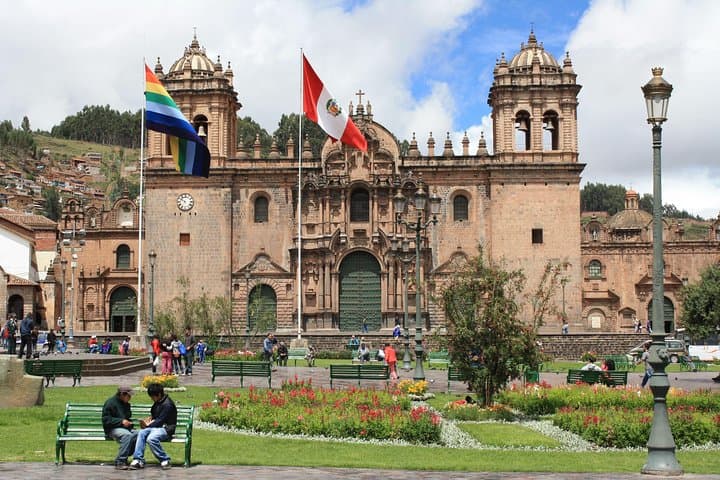
You step out of the van into thin air and the city hum of Cusco feels distant — stone streets, colonial balconies and a sky that opens wide. Over eight days you'll move from city plazas to high glaciers, riding trains through green canyons and walking terraces first shaped by Inca hands.
Verified experiences and guided adventures in the surrounding area.
Operated by MachuPicchu Journey · Cusco, Cusco
You step out of the van into thin air and the city hum of Cusco feels distant — stone streets, colonial balconies and a sky that opens wide. Over eight days you'll move from city plazas to high glaciers, riding trains through green canyons and walking terraces first shaped by Inca hands.
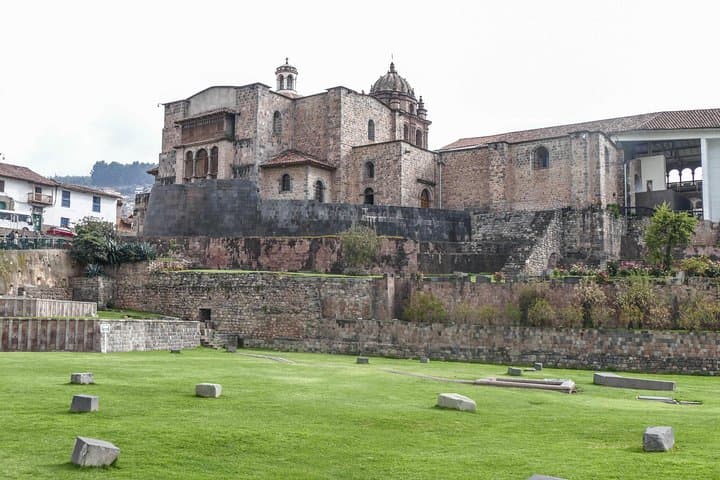
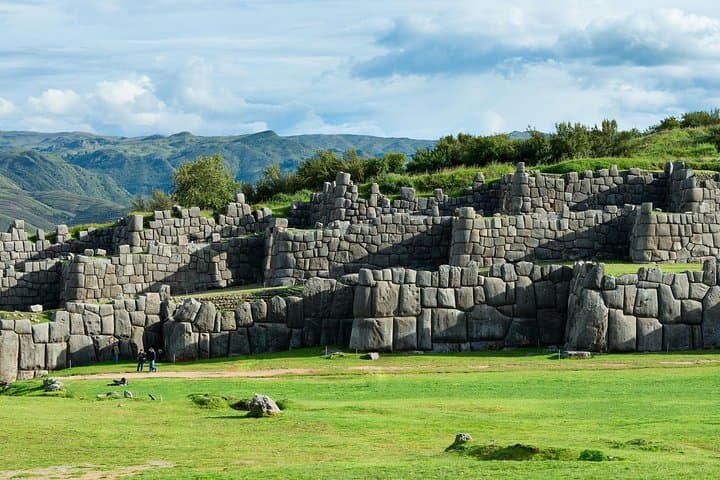
The route threads key Inca and Andean sites: Koricancha and Sacsayhuamán in Cusco, the Sacred Valley’s Pisaq and Ollantaytambo, the agricultural amphitheater of Moray, and the salt pans of Maras. Machu Picchu arrives like a reveal — a compact citadel carved of granite, its stones bearing millennia of ritual and imperial engineering. Geologically the region sits on Andean uplift and volcanic deposits; soils and terraces testify to ancient irrigation and microclimate farming. Culturally, Quechua traditions remain visible in markets, textiles and the ritual use of water and mountains.
Practical guidance: altitude is the defining factor — spend the first day resting, hydrate, and consider oxygen assistance if you’re sensitive. Expect several moderate to steep day hikes (Humantay and Vinicunca involve 1–3 hour ascents at 4,000–5,200 m). Train segments and private transfers reduce logistics, but wear broken-in boots, carry layers, and pocket cash for local markets.
This itinerary balances guided history with independent time at major sites; plan for early starts, variable weather, and deliberate acclimatization. With firm boots and patient lungs, the Andes reward persistent travelers with both sweeping panoramas and intimate cultural encounters.
challenging.
8 days.
Good cardiovascular fitness with experience doing day hikes at altitude; ability to handle multiple early mornings and 1–3 hour uphill sections.
Moderate to good fitness is required because several days include 1–3 hour uphill hikes at 3,800–5,200 m; the operator notes a medium physical requirement.
Entrance is included but subject to availability at booking; confirm train and citadel slots when you reserve.
Acclimatize in Cusco, hydrate, avoid alcohol on the first day, ascend slowly, and consider prescribed medication or oxygen assistance if you have prior symptoms.
A valid passport is required; bring details for booking and any necessary transit document copies—permit requirements depend on site access but are arranged by the tour operator.
The itinerary follows Inca-era routes and agricultural experiments—Moray’s circular terraces illustrate sophisticated microclimate farming used long before European contact.
Stick to marked paths, avoid single-use plastics, and respect local sanctified sites; the high Andean ecosystems recover slowly from trampling and litter.
MachuPicchu Journey operates guided outdoor trips and adventures with an emphasis on safety, stewardship, and memorable experiences.
You step out of the van into thin air and the city hum of Cusco feels distant — stone streets, colonial balconies and a sky that opens wide. Over eight days you'll move from city plazas to high glaciers, riding trains through green canyons and walking terraces first shaped by Inca hands.
You step out of the van into thin air and the city hum of Cusco feels distant — stone streets, colonial balconies and a sky that opens wide. Over eight days you'll move from city plazas to high glaciers, riding trains through green canyons and walking terraces first shaped by Inca hands.
The route threads key Inca and Andean sites: Koricancha and Sacsayhuamán in Cusco, the Sacred Valley’s Pisaq and Ollantaytambo, the agricultural amphitheater of Moray, and the salt pans of Maras. Machu Picchu arrives like a reveal — a compact citadel carved of granite, its stones bearing millennia of ritual and imperial engineering. Geologically the region sits on Andean uplift and volcanic deposits; soils and terraces testify to ancient irrigation and microclimate farming. Culturally, Quechua traditions remain visible in markets, textiles and the ritual use of water and mountains.
Practical guidance: altitude is the defining factor — spend the first day resting, hydrate, and consider oxygen assistance if you’re sensitive. Expect several moderate to steep day hikes (Humantay and Vinicunca involve 1–3 hour ascents at 4,000–5,200 m). Train segments and private transfers reduce logistics, but wear broken-in boots, carry layers, and pocket cash for local markets.
This itinerary balances guided history with independent time at major sites; plan for early starts, variable weather, and deliberate acclimatization. With firm boots and patient lungs, the Andes reward persistent travelers with both sweeping panoramas and intimate cultural encounters.